
What to Eat Before Bed With Diabetes: 15 Smart Bedtime Foods for Overnight Blood Sugar
Choosing what to eat at night can be confusing when you are managing diabetes. You may wonder whether you should have a snack before bed, skip food completely, or choose something that will keep you satisfied without causing an unwanted rise in blood sugar.
The answer is not the same for everyone. Your medication, blood sugar pattern, activity level, meal timing, and individual health needs can all affect whether a bedtime snack is appropriate.
Still, choosing a balanced snack with protein, fiber, and appropriate portions can be a practical option for some people. In this guide, FitGlucoseHub explores 15 foods that can fit into a balanced nighttime eating pattern, along with simple combinations and tips for making smarter choices.
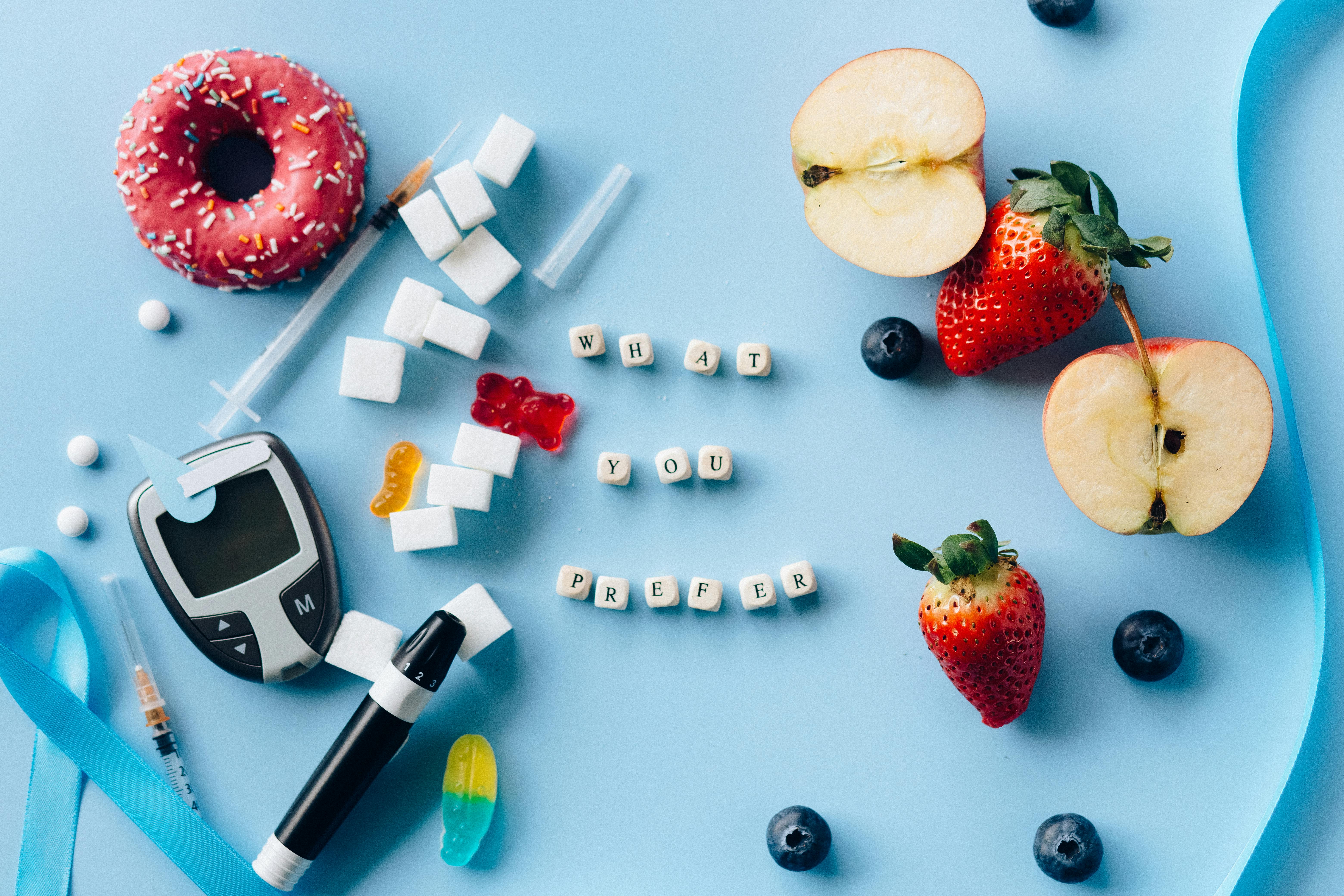
Table of Contents
- Do You Need a Bedtime Snack With Diabetes?
- 15 Bedtime Foods at a Glance
- 15 Smart Bedtime Foods for Diabetes
- 1. Plain Greek Yogurt
- 2. Almonds
- 3. Cottage Cheese
- 4. Chia Seeds
- 5. Hard-Boiled Egg
- 6. Berries
- 7. Avocado
- How Much Should You Eat Before Bed?
- Related Reading From FitGlucoseHub
Do You Need a Bedtime Snack With Diabetes?
A bedtime snack is not automatically necessary for everyone with diabetes. Some people may be perfectly comfortable going from dinner to breakfast without eating, while others may have specific reasons for having a small snack.
For example, your healthcare professional may recommend a snack based on your medication schedule, activity level, meal pattern, or blood sugar readings.
If you regularly experience low blood sugar during the night, do not try to manage the problem by simply adding random foods to your diet. Discuss your glucose pattern and medication regimen with your healthcare professional.
The purpose of this article is therefore not to tell everyone with diabetes to eat before bed. Instead, it provides practical ideas for people who have decided that a nighttime snack fits their individual eating plan.
15 Bedtime Foods at a Glance
| Food | Why It Can Be Useful | Simple Pairing |
|---|---|---|
| Plain Greek yogurt | Protein-rich and versatile | Berries |
| Almonds | Protein, fiber and healthy fats | Plain yogurt |
| Cottage cheese | Protein-rich option | Cucumber |
| Chia seeds | Fiber and healthy fats | Greek yogurt |
| Hard-boiled egg | Protein with very little carbohydrate | Vegetables |
| Berries | Fruit with fiber | Plain yogurt |
| Avocado | Fiber and unsaturated fat | Egg |
| Walnuts | Healthy fats and fiber | Small fruit serving |
| Flaxseeds | Fiber and healthy fats | Plain yogurt |
| Hummus | Protein and fiber | Raw vegetables |
| Celery with nut butter | Crunch plus healthy fats | Natural nut butter |
| Tofu | Plant-based protein | Non-starchy vegetables |
| Small apple with nuts | Fiber plus protein/fat | Almonds |
| Unsweetened soy milk | Protein-containing drink | Small snack |
| Small portion of oatmeal | Fiber-containing carbohydrate | Chia seeds |
Quick takeaway: The best choice depends on your individual needs. A food that works well for one person may affect another person's blood sugar differently.
15 Smart Bedtime Foods for Diabetes
1. Plain Greek Yogurt
Plain Greek yogurt is one of the simplest options to consider when looking for best bedtime snacks for diabetes. It provides protein and can be combined with other nutrient-rich foods without requiring a complicated recipe.
Choose plain, unsweetened Greek yogurt rather than varieties containing added sugar. You can add a small amount of berries, chia seeds, or chopped nuts for additional texture and nutrients.
A simple combination is plain Greek yogurt with a few berries and a teaspoon of chia seeds.
2. Almonds
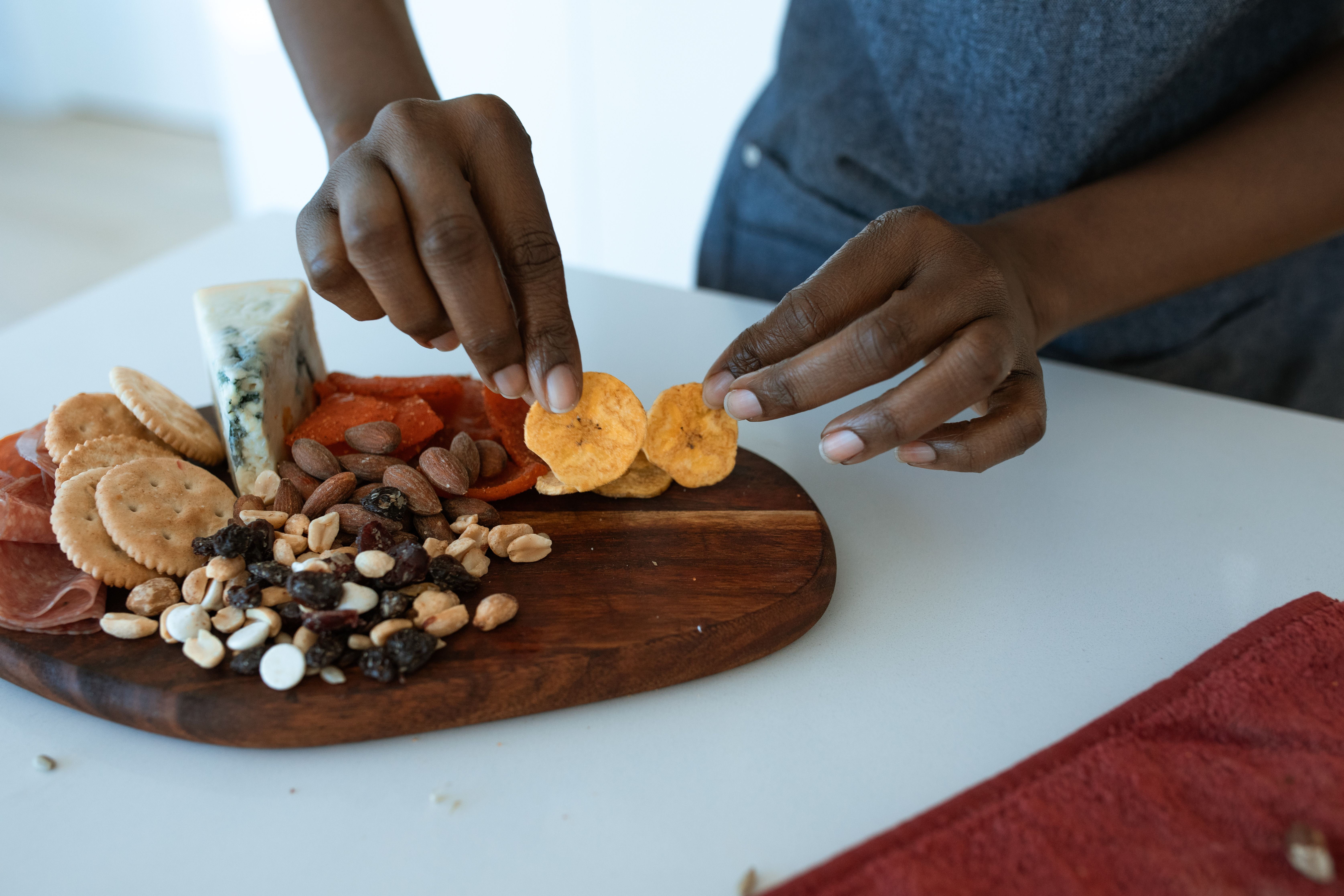
Almonds are a convenient option when you want a small snack that provides protein, fiber, and predominantly unsaturated fats.
A modest serving can be more satisfying than reaching for cookies, candy, or other highly processed nighttime snacks.
Choose unsalted almonds without added sugar or sweet coatings. Because nuts are energy-dense, you do not need a large portion.
3. Cottage Cheese
Cottage cheese can be a useful protein-rich choice for people searching for what to eat before bed with diabetes. It can be eaten on its own or combined with low-carbohydrate vegetables.
Try a small serving of cottage cheese with cucumber, tomatoes, or a few herbs. If you prefer something slightly sweet, a small amount of berries can provide natural sweetness.
Check the label for sodium, particularly if you have been advised to monitor your sodium intake.
4. Chia Seeds
Chia seeds contain fiber, plant-based protein, and healthy fats. They can be particularly easy to use in a nighttime snack because a small amount can be mixed into several foods.
Try adding chia seeds to plain Greek yogurt or making a simple unsweetened chia pudding.
When increasing fiber intake, do so gradually and make sure you drink adequate fluids.
5. Hard-Boiled Egg
A hard-boiled egg is a simple source of protein and contains very little carbohydrate. It can work well when you want a savory snack instead of something sweet.
Pair one egg with cucumber, leafy greens, or another non-starchy vegetable for a simple nighttime option.
If you are watching your overall dietary pattern, vary your protein sources rather than relying on the same food every day.
6. Berries
Strawberries, raspberries, blackberries, and blueberries can provide a naturally sweet option while also supplying fiber and other nutrients.
Because fruit contains carbohydrate, portion size still matters. Whole berries are generally more useful than drinking fruit juice because the whole fruit retains its fiber.
For a balanced diabetes bedtime snack, try a small serving of berries with plain Greek yogurt or a few nuts.

7. Avocado
Avocado provides fiber and mostly unsaturated fat. Its creamy texture makes it easy to turn into a simple savory snack.
You can have a small portion of avocado with a hard-boiled egg, cucumber, or leafy greens.
Avocado is nutritious but energy-dense, so a moderate portion is generally more practical than eating a large amount immediately before bed.
How Much Should You Eat Before Bed?
There is no universal bedtime snack size for everyone with diabetes. Your appropriate portion can depend on your total daily food intake, medication, activity level, blood sugar pattern, and individual nutritional requirements.
The goal should be to avoid turning a small bedtime snack into a second dinner. Start with a modest portion and choose foods that provide meaningful nutrition rather than mainly added sugar.
If you monitor your blood glucose, your own readings can provide useful information about how particular meals and snacks affect you. Discuss recurring patterns with your healthcare professional rather than making medication changes on your own.
What Makes a Better Bedtime Snack?
When choosing healthy late night snacks for diabetics, consider three basic questions:
- Does the snack provide protein, fiber, or healthy fats?
- Is the portion appropriate for my overall eating plan?
- Does it contain a lot of added sugar or refined carbohydrate?
A snack does not need to be complicated. Plain yogurt with berries, a small serving of almonds, or an egg with vegetables can be much simpler than preparing a full meal.
Related Reading From FitGlucoseHub
If you are building a healthier blood sugar routine, these related FitGlucoseHub guides may also be useful:
- What to eat when blood sugar is high
- How to Lower Blood Sugar After a Meal Naturally: 10 Simple Ways That May Help
- 10 Healthy Snacks for Weight Loss That Keep You Full Longer | FitGlucoseHub
- Best Natural Ways to Reduce Blood Sugar Spikes After Meals
- Can You Reverse Prediabetes in 3 Months? A Science-Based 90-Day Plan to Lower Blood Sugar Naturally (2026)
- Practical ways to support healthier blood sugar after meals
8. Walnuts
Walnuts are another convenient option when you are looking for best bedtime snacks for diabetes. They provide healthy fats, fiber, and some protein, making a small serving more satisfying than many sugary snack foods.
Choose plain or dry-roasted walnuts without added sugar. You can enjoy a small portion on its own or combine them with plain Greek yogurt.
Because nuts are calorie-dense, keep the serving moderate, particularly if you are trying to manage your overall calorie intake.
9. Ground Flaxseeds
Ground flaxseeds provide fiber and healthy fats and can be an easy addition to an evening snack. They work especially well when mixed into foods you already enjoy.
Try adding a small amount of ground flaxseed to plain Greek yogurt, unsweetened oatmeal, or a homemade smoothie without added sugar.
If you are increasing your fiber intake, do so gradually and drink enough fluids throughout the day.
10. Hummus With Non-Starchy Vegetables
Hummus, made primarily from chickpeas, can provide plant-based protein and fiber. Pairing a small serving with crunchy vegetables can create a satisfying savory snack.
Cucumber, celery, bell peppers, and broccoli are simple choices for dipping.
When buying packaged hummus, check the nutrition label for added ingredients and sodium. A simple serving of hummus with vegetables can be a more balanced choice than chips or crackers.

11. Celery With Natural Nut Butter
Celery is a low-carbohydrate vegetable that can add crunch to a nighttime snack. Pairing it with a small amount of unsweetened peanut or almond butter adds healthy fats and some protein.
When choosing nut butter, look for products without added sugar or sweetened syrups. The ingredient list can help you compare different options.
This combination can be useful for people searching for what to eat at night with diabetes when they want something quick and savory.
12. Tofu
Tofu is a plant-based protein that can be included in a diabetes-conscious eating pattern. It contains relatively little carbohydrate and can be prepared with vegetables for a light evening meal.
For example, you can combine lightly cooked tofu with mushrooms, spinach, broccoli, or bell peppers.
Avoid turning a healthy tofu dish into a high-sugar meal by using large amounts of sweet sauces. Herbs, garlic, ginger, spices, and lower-sugar sauces can provide plenty of flavor.
13. A Small Apple With Nuts
Apples contain naturally occurring carbohydrate along with fiber and other nutrients. Rather than eating a large portion of fruit by itself, some people may prefer pairing a small apple with a modest serving of nuts.
The combination provides carbohydrate from the fruit together with protein, fiber, and healthy fats from the nuts.
If you are specifically looking for what to eat before bed to keep blood sugar stable, remember that individual responses can vary. Monitor your glucose according to your healthcare professional's recommendations.
14. Unsweetened Soy Milk
Unsweetened soy milk can be a convenient drink option that provides protein. Choose an unsweetened version and check the nutrition label for carbohydrate and added sugar.
You can have a small glass on its own or combine it with a small, balanced snack.
Flavored or sweetened plant-based drinks can contain considerably more added sugar, so comparing labels is important.
15. A Small Portion of Oatmeal
Oatmeal can also work as an evening food for some people. It provides carbohydrate along with fiber, but portion size and toppings matter.
Choose plain oats rather than heavily sweetened instant oatmeal. You can add chia seeds, ground flaxseed, cinnamon, or a small serving of berries instead of sugar or syrup.
Since oatmeal contains carbohydrate, it should be considered part of your overall carbohydrate intake rather than an unlimited bedtime food.

Simple Bedtime Snack Combinations
Sometimes the easiest way to choose a diabetes bedtime snack is to combine two foods that provide different nutrients.
- Plain Greek yogurt + a few berries
- Almonds + a small serving of berries
- Cottage cheese + cucumber
- Hard-boiled egg + avocado
- Celery + natural peanut butter
- Hummus + bell peppers and cucumber
- Plain oatmeal + chia seeds
- Unsweetened soy milk + a small handful of nuts
These are examples rather than universal prescriptions. Your ideal snack depends on your personal nutritional needs and blood sugar management plan.
What Should You Avoid Before Bed?
If you are trying to make nighttime eating more blood-sugar-conscious, it can help to limit foods and drinks that contain large amounts of added sugar or refined carbohydrates.
- Sugary soft drinks
- Sweetened juices
- Candy and chocolate bars with added sugar
- Cookies and pastries
- Sweetened cereals
- Ice cream and other large desserts
- Sugary coffee drinks
- Large portions of refined bread or crackers
You do not necessarily need to completely eliminate every food on this list forever. The important considerations are frequency, portion size, total carbohydrate intake, and how the food fits into your overall eating pattern.
Does a Bedtime Snack Prevent Morning High Blood Sugar?
A bedtime snack should not automatically be used as a way to prevent high morning blood sugar. Morning glucose can be affected by many factors, including medication, insulin requirements, sleep, stress, activity, and normal hormonal changes.
If you frequently wake up with unusually high or low blood sugar, keep a record of your readings and discuss the pattern with your healthcare professional. Do not change insulin or other diabetes medication doses on your own.
Recommendation
If you are looking for an optional supplement to complement your healthy eating routine, remember that supplements are not a substitute for prescribed diabetes treatment, blood glucose monitoring, physical activity, or a balanced diet.
If you decide to explore a supplement, review the ingredients, serving instructions, and available evidence carefully. You may also want to discuss it with your healthcare professional, especially if you take prescription medication.
Learn more about this optional supplement
This is an affiliate link. If you make a purchase through the link, FitGlucoseHub may receive a commission at no additional cost to you.
Frequently Asked Questions
What is the best bedtime snack for diabetes?
There is no single best snack for everyone. Options such as plain Greek yogurt, a small serving of nuts, cottage cheese, or vegetables with hummus can fit into a balanced eating pattern for many people.
Can people with diabetes eat fruit before bed?
Many people with diabetes can include whole fruit in their diet. Fruit contains carbohydrate, so portion size and your overall meal plan matter. Whole fruit is generally preferable to fruit juice because it retains its fiber.
Is oatmeal good before bed for diabetes?
Plain oatmeal can be included by some people, but it contains carbohydrate. A small portion combined with fiber-rich toppings such as chia or flaxseed may be more appropriate than heavily sweetened oatmeal.
Should I eat before bed if I have diabetes?
Not necessarily. Some people may benefit from a bedtime snack while others do not need one. Your medication, glucose patterns, activity, and individual nutritional needs should be considered.
What are healthy late night snacks for diabetics?
Examples include a small serving of plain Greek yogurt, nuts, cottage cheese with vegetables, hummus with non-starchy vegetables, or a small portion of oatmeal without added sugar.
Final Thoughts
Choosing what to eat before bed with diabetes does not have to be complicated. The most useful approach is to focus on appropriate portions and foods that provide protein, fiber, healthy fats, or nutrient-rich carbohydrates rather than relying on sugary nighttime snacks.
The 15 options in this guide—including yogurt, nuts, cottage cheese, chia seeds, eggs, berries, avocado, walnuts, flaxseeds, hummus, tofu, oatmeal, and other balanced choices—can give you a variety of options to consider.
However, there is no universal bedtime snack that works for every person with diabetes. If you regularly experience overnight lows, morning highs, or unusual glucose fluctuations, speak with your healthcare professional about your individual eating and medication plan.
Medical Disclaimer
This article is provided for general educational and informational purposes only. It is not intended to diagnose, treat, cure, or prevent any disease and should not replace individualized medical advice.
If you use insulin or other glucose-lowering medication, follow your healthcare professional's instructions. Do not change medication doses based solely on information in this article.


0 Comments