
What to Eat for Breakfast With Type 2 Diabetes: 12 Easy Ideas
Choosing breakfast when you have type 2 diabetes can feel confusing. You may wonder whether you should eat oatmeal, eggs, whole-wheat toast, yogurt, or fruit. The good news is that you do not necessarily need to give up your favorite breakfast foods. The key is to pay attention to portions, carbohydrate amounts, fiber, protein, and your individual health needs.
At FitGlucoseHub, our goal is to make everyday diabetes nutrition easier to understand. This guide shares practical breakfast ideas for type 2 diabetes using familiar foods that are easy to find in the United States.
These meal ideas are general suggestions, not a personalized diabetes diet. Your ideal breakfast depends on your blood glucose patterns, medications, activity level, preferences, and advice from your healthcare professional.
Table of Contents
Why Breakfast Choices Matter With Type 2 Diabetes
Breakfast is an opportunity to start the day with a balanced meal. The foods you choose contain different amounts of carbohydrates, protein, fat, and fiber, and these nutrients can affect how your blood glucose changes after eating.
Carbohydrates are found in foods such as bread, oatmeal, cereal, fruit, milk, and yogurt. They raise blood glucose, but that does not mean you need to eliminate every carbohydrate-containing food. Instead, consider the type of carbohydrate, serving size, and the other foods included in your meal.
For example, a large bowl of sweetened cereal with juice may contain a substantial amount of quickly consumed carbohydrates. A measured serving of plain oatmeal paired with nuts and a suitable portion of berries offers a different combination of nutrients.
Protein foods such as eggs, plain Greek yogurt, tofu, and cottage cheese can help make a meal more satisfying. Fiber-rich foods, including berries, vegetables, and some whole grains, can also contribute to a balanced eating pattern.
According to the Centers for Disease Control and Prevention, meal planning, carbohydrate awareness, and portion control can help people make food choices that fit their diabetes management goals.
For additional guidance, read the CDC's diabetes meal planning guide.
How to Build a Balanced Breakfast
A useful starting point is to combine a protein source, a fiber-rich food, and a suitable portion of carbohydrate when appropriate. You can adjust the combination to fit your appetite, food preferences, and care plan.
1. Include a source of protein
Options include eggs, plain Greek yogurt, cottage cheese, tofu, unsweetened soy foods, or nut butter. Choose options that suit your dietary needs and any medical restrictions.
2. Choose carbohydrate foods thoughtfully
Oatmeal, whole-grain bread, beans, and whole fruit can fit into many diabetes meal plans. Check serving sizes and nutrition labels rather than assuming that a food labeled “whole grain” or “natural” is automatically low in carbohydrates.
3. Add fiber when possible
Berries, chia seeds, vegetables, and nuts can add fiber and variety. If you are increasing fiber, do so gradually and drink enough fluids unless your healthcare professional has advised a fluid restriction.
4. Watch added sugars
Flavored yogurt, sweetened coffee drinks, pastries, and many breakfast cereals can contain added sugar. Compare labels and try plain or unsweetened options when they work for you.
5. Keep portions realistic
Even nutritious foods contribute carbohydrates and calories. A very large serving of oatmeal, granola, fruit, or whole-grain toast may affect blood glucose differently from a smaller serving. Your individual response matters.

12 Easy Breakfast Ideas for Type 2 Diabetes
The following meals use common grocery-store ingredients. You can change ingredients based on allergies, preferences, budget, and your healthcare professional's recommendations. Carbohydrate content varies by product and serving size, so check nutrition labels when needed.
1. Eggs With Spinach and Whole-Grain Toast
Scramble or cook eggs with spinach, mushrooms, or bell peppers. Serve with one appropriately sized slice of whole-grain toast if it fits your meal plan.
Why it may work: Eggs provide protein, while vegetables add volume and nutrients. Whole-grain toast supplies carbohydrates and may provide more fiber than refined white bread.
Practical tip: Use a small amount of olive oil or another suitable cooking oil. If you add cheese, compare sodium and saturated fat content.
2. Plain Greek Yogurt With Berries and Chia Seeds
Combine plain, unsweetened Greek yogurt with a measured serving of strawberries, blueberries, or raspberries. Add a small amount of chia seeds for texture and fiber.
Why it may work: Greek yogurt often provides protein, while berries provide fiber and naturally occurring carbohydrates.
Practical tip: Check the label for total carbohydrates and added sugars. Dairy products contain some naturally occurring sugar, even when no sugar has been added.
3. Plain Oatmeal With Walnuts
Prepare rolled or steel-cut oats using water or an unsweetened milk alternative. Add a small serving of chopped walnuts and cinnamon for flavor.
Why it may work: Oats provide carbohydrates and soluble fiber. Walnuts add unsaturated fats and some protein.
Practical tip: Measure the dry oats before cooking. Large portions and sugary toppings can substantially increase the carbohydrate content of the meal.
4. Cottage Cheese With Cucumber and Tomatoes
Serve cottage cheese with sliced cucumber, tomatoes, black pepper, and fresh herbs. Add a small serving of whole-grain crackers or toast if desired and appropriate for your meal plan.
Why it may work: Cottage cheese provides protein, while the vegetables add freshness and variety.
Practical tip: Cottage cheese can be high in sodium. Compare brands if you need to limit sodium intake.

5. Avocado and Egg on Whole-Grain Toast
Spread a thin layer of mashed avocado over whole-grain toast and top it with a cooked egg. Add black pepper, lemon juice, or sliced tomatoes.
Why it may work: Eggs provide protein, and avocado supplies unsaturated fat and fiber. Bread still contributes carbohydrates, so choose a portion that fits your needs.
Practical tip: Avocado is nutritious but energy-dense. A moderate serving can help keep the meal balanced.
6. Vegetable Omelet With a Side of Berries
Prepare an omelet with eggs, spinach, mushrooms, and bell peppers. Serve it with a small portion of fresh berries if fruit fits your breakfast plan.
Why it may work: The omelet combines protein with non-starchy vegetables, and the berries add color, fiber, and naturally occurring carbohydrates.
Practical tip: You can use some egg whites with a whole egg if that suits your preferences. Avoid relying on large amounts of processed meat or cheese for flavor.
7. Peanut Butter on Whole-Grain Toast
Spread a measured amount of peanut butter on whole-grain toast. Choose peanut butter with little or no added sugar and check the label for serving size.
Why it may work: Peanut butter supplies fat and some protein, while whole-grain bread provides carbohydrates and potentially fiber.
Practical tip: Peanut butter is calorie-dense, so a generous layer can add up quickly. If you have a peanut allergy, choose a safe alternative.
8. Breakfast Tofu Scramble
Cook crumbled tofu with spinach, mushrooms, onions, and bell peppers. Season with herbs, black pepper, garlic, or other spices you enjoy.
Why it may work: Tofu is a plant-based protein option, and non-starchy vegetables add nutrients and variety.
Practical tip: Check the ingredients in seasoning blends, sauces, and packaged tofu products if you are monitoring sodium or added sugars.

9. Overnight Oats With Unsweetened Milk
Combine rolled oats with unsweetened milk or a suitable alternative and refrigerate overnight. In the morning, add cinnamon and a measured portion of nuts or berries.
Why it may work: Preparing oats ahead of time makes breakfast convenient, and the ingredients can provide fiber, carbohydrates, and some protein depending on the milk and toppings used.
Practical tip: Overnight oats are not automatically low-carb. Measure the oats and toppings, and choose unsweetened ingredients when possible.
10. Smoked Salmon With Cucumber and Whole-Grain Crispbread
Serve a modest portion of smoked salmon with cucumber slices, fresh dill, and whole-grain crispbread. You can add a little plain yogurt mixed with lemon juice as a topping.
Why it may work: Salmon provides protein and omega-3 fats, while cucumber adds crunch with relatively few carbohydrates.
Practical tip: Smoked salmon can contain considerable sodium. Choose lower-sodium options when available, and use fresh cooked salmon if preferred.
11. A Simple Breakfast Smoothie
Blend plain Greek yogurt or an appropriate unsweetened alternative with a small serving of berries, spinach, and water or unsweetened milk. Add ice for a thicker texture.
Why it may work: A homemade smoothie lets you control the ingredients and combine protein with fruit and vegetables.
Practical tip: Smoothies can contain more carbohydrates than expected if you add several servings of fruit, juice, honey, or sweetened yogurt. Whole fruit is often more filling for some people because it takes longer to eat.
12. Black Beans With Eggs and Salsa
Serve a modest portion of black beans with scrambled eggs, chopped tomatoes, and salsa. Add avocado or fresh cilantro for extra flavor.
Why it may work: Beans provide fiber and plant protein, while eggs add protein. Beans also contain carbohydrates, so portion size remains important.
Practical tip: If you use canned beans, consider rinsing them to reduce some of the sodium. Check salsa labels for added sugars and sodium.
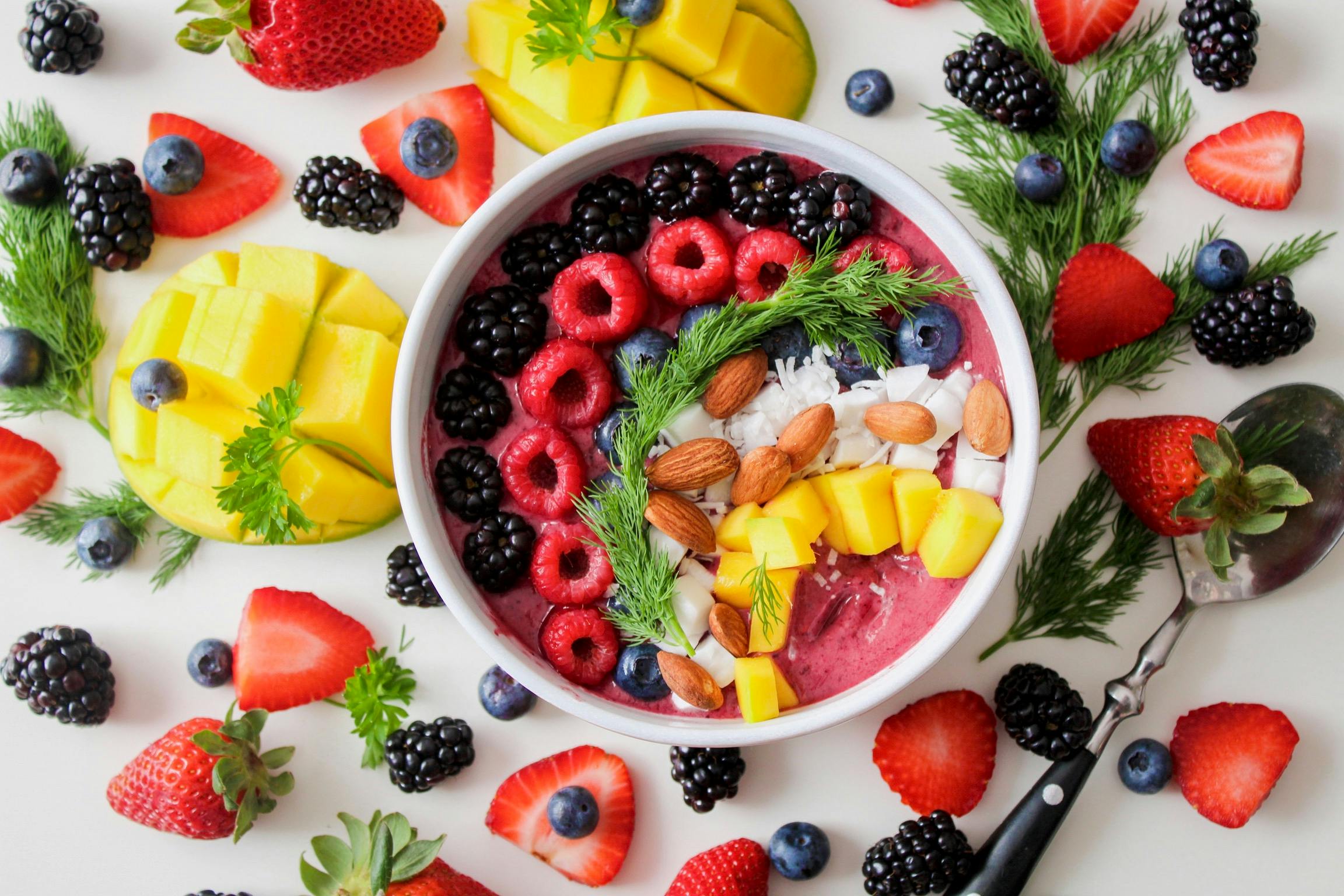
Is Oatmeal a Good Breakfast Choice for Type 2 Diabetes?
Oatmeal can fit into many diabetes meal plans, but the type, serving size, and toppings matter. Plain rolled oats and steel-cut oats are useful options because they provide fiber. Instant oatmeal can also fit, but flavored packets may contain added sugar and may come in portions that do not match your needs.
To make oatmeal part of a balanced breakfast:
- Measure your serving instead of filling a large bowl without checking.
- Choose plain oats when practical.
- Add cinnamon, nuts, or seeds for flavor and texture.
- Consider pairing oats with plain Greek yogurt or another suitable protein source.
- Use a measured portion of whole fruit instead of syrup or honey.
Remember that oatmeal contains carbohydrates. If you monitor blood glucose, your readings may help you and your healthcare team understand how a particular serving works for you.
Can You Eat Fruit at Breakfast With Diabetes?
Yes. Many people with diabetes can include whole fruit in a balanced meal plan. Berries, apples, pears, oranges, and other fruits provide different vitamins, minerals, and fiber. Fruit contains carbohydrates, so portion size and your individual meal plan still matter.
Whole fruit is generally a more useful everyday choice than juice because it retains its fiber and takes longer to consume. Juice can be easy to drink quickly and may raise blood glucose faster than eating whole fruit.
Try pairing a modest serving of fruit with protein or healthy fats, such as berries with plain yogurt or apple slices with a suitable nut butter. This combination may be more satisfying than eating fruit alone, although individual responses differ.
Do not assume that you must avoid bananas, apples, or other fruits simply because you have diabetes. Ask your registered dietitian or healthcare professional how fruit portions fit your personal nutrition goals.
Portion Sizes and Carbohydrates: What to Know
There is no single carbohydrate target that works for everyone with type 2 diabetes. Your needs may depend on your medications, activity, blood glucose goals, kidney health, and other factors.
For packaged breakfast foods, look at the Nutrition Facts label. Check the serving size, total carbohydrates, fiber, added sugars, sodium, and saturated fat. A product may contain more than one serving per package, so eating the entire package can mean consuming more carbohydrates than expected.
Some people use carbohydrate counting, while others find the plate method easier. The CDC explains that a balanced plate generally includes non-starchy vegetables, protein foods, and carbohydrate foods in appropriate proportions. Breakfast may not look exactly like lunch or dinner, but the same principles of balance and portion awareness can be useful.
Learn more in the CDC's guide to carbohydrate counting.
Common Breakfast Mistakes to Avoid
- Choosing sweetened drinks every morning: Sweetened coffee, juice, and sugary drinks can add carbohydrates quickly. Consider water, unsweetened tea, or coffee without added sugar if suitable for you.
- Assuming every “healthy” cereal is low in carbohydrates: Read the label and check the serving size.
- Eating very large portions: Oats, granola, toast, and fruit can all contribute carbohydrates. Measure portions when you need a clearer picture of your intake.
- Skipping meals without a plan: If you take insulin or medicines that can cause low blood glucose, skipping or delaying a meal may increase the risk of hypoglycemia. Follow your prescribed treatment plan.
- Following an extreme diet without guidance: Very restrictive eating plans may not be appropriate for everyone, especially if you use glucose-lowering medication or have other health conditions.
If you are also looking for convenient options between meals, see our guide to healthy eating resources at FitGlucoseHub and explore our article on drinks that may help support healthy blood sugar habits.
A Simple Three-Day Breakfast Plan
This sample plan is a starting point for meal inspiration, not a prescribed diet. Adjust portions to your needs and follow any advice you have received about carbohydrate intake, medication timing, or other medical restrictions.
| Day | Breakfast idea | What to consider |
|---|---|---|
| Day 1 | Eggs with spinach and whole-grain toast | Choose a suitable toast portion and add vegetables. |
| Day 2 | Plain Greek yogurt with berries and chia seeds | Check yogurt labels and measure the fruit portion. |
| Day 3 | Plain oatmeal with walnuts and cinnamon | Measure oats and limit sweetened toppings. |
Preparing a few ingredients the night before can make mornings easier. Wash berries, chop vegetables, portion nuts, or refrigerate overnight oats. A little planning can help you choose breakfast more consistently without needing complicated recipes.
Related Reading on FitGlucoseHub
- Visit FitGlucoseHub for more diabetes and nutrition guides
- Early signs of high blood sugar
- Why blood sugar may be high after fasting
- Drinks that may support healthy blood sugar habits
- A high-fiber diet plan for weight management
Quick Breakfast Tips for Busy Mornings
A busy schedule does not mean you have to rely on sugary breakfast foods every day. A few simple preparations can make it easier to choose a balanced breakfast while managing type 2 diabetes.
Prepare Ingredients the Night Before
Wash berries, chop vegetables, portion nuts, or prepare overnight oats before going to bed. Store perishable foods in the refrigerator and follow food-safety guidance when preparing meals in advance.
Keep Easy Protein Options Available
Eggs, plain Greek yogurt, cottage cheese, tofu, and suitable unsalted nuts can make breakfast preparation easier. Choose foods that meet your dietary requirements, including any restrictions related to allergies, kidney health, or sodium intake.
Read Breakfast Food Labels
When shopping in the United States, check the Nutrition Facts label for serving size, total carbohydrates, added sugars, fiber, sodium, and saturated fat. Products described as “keto,” “natural,” or “diabetic-friendly” are not automatically the best choice for every person.
Make a Short Grocery List
- Eggs or another preferred protein source
- Plain, unsweetened yogurt
- Rolled or steel-cut oats
- Fresh or frozen berries
- Spinach, mushrooms, and bell peppers
- Whole-grain bread with a suitable carbohydrate content
- Chia seeds, walnuts, or another preferred topping
Frozen vegetables and unsweetened frozen berries can be convenient alternatives to fresh produce. Compare prices and labels to find options that suit your budget.
How to Know Whether Your Breakfast Works for You
People with type 2 diabetes can respond differently to the same meal. If your healthcare professional has recommended blood glucose monitoring, follow their instructions about when to check your levels and how to interpret the results.
You may find it helpful to record what you ate, the approximate portion, your activity, medication timing when relevant, and your glucose readings. Over time, this information may help you and your healthcare team identify patterns.
Do not change your medication dose or stop prescribed treatment because of a breakfast choice or a single glucose reading. If your readings are repeatedly outside your recommended range, discuss them with your healthcare professional.
Frequently Asked Questions
1. What is the best breakfast for someone with type 2 diabetes?
There is no single best breakfast for everyone. Meals combining a suitable protein source, fiber-rich foods, and a portion of carbohydrate that fits your care plan can be a useful starting point. Eggs with vegetables, plain Greek yogurt with berries, and measured portions of oatmeal are examples.
2. Are eggs good for people with type 2 diabetes?
Eggs provide protein and contain very little carbohydrate. They can fit into many diabetes meal plans. Consider the overall meal, preparation method, saturated fat, sodium, and your individual cholesterol and cardiovascular health needs.
3. Is oatmeal safe for people with diabetes?
Oatmeal can fit into many diabetes meal plans. It contains carbohydrates as well as fiber. Choose an appropriate portion, compare product labels, and limit added sugars. Your own glucose response and care plan are important.
4. Can people with diabetes eat bread at breakfast?
Many people with diabetes can include bread in their meal plan. Whole-grain bread may provide more fiber than refined bread, but the carbohydrate content varies. Check the label and choose a portion that suits your individual needs.
5. Which fruits are suitable for a diabetes-friendly breakfast?
Whole fruits such as berries, apples, pears, and oranges can fit into many diabetes meal plans. Fruit contains carbohydrates, so consider serving size and your overall meal. Whole fruit is generally preferable to juice for everyday eating because it retains fiber.
6. Should I skip breakfast to lower blood sugar?
Skipping breakfast is not a reliable strategy for everyone. If you use insulin or certain diabetes medicines, delaying or missing a meal can increase the risk of low blood glucose. Discuss meal timing with your healthcare professional instead of making abrupt changes.
7. Is coffee allowed with type 2 diabetes?
Unsweetened coffee may fit into many people's routines, but caffeine can affect people differently. Large amounts of added sugar, syrups, and sweetened creamers can add carbohydrates. Consider your personal response, sleep, blood pressure, and medical advice.
8. Are smoothies a good breakfast choice?
A homemade smoothie can be convenient when it contains suitable portions of ingredients such as plain yogurt, berries, and spinach. However, multiple servings of fruit, fruit juice, honey, and sweetened yogurt can increase the carbohydrate content. Measure ingredients rather than estimating large portions.
9. What can I eat for breakfast if I want a lower-carbohydrate option?
Depending on your dietary needs, options may include eggs with vegetables, a tofu scramble, or cottage cheese with cucumber and tomatoes. Lower-carbohydrate eating is not appropriate for every person or medication plan, so seek individualized guidance if you are considering a major dietary change.
10. Do I need special foods labeled for diabetics?
No. You do not necessarily need products marketed specifically for people with diabetes. Ordinary foods can be part of a balanced meal plan. Compare nutrition labels, portion sizes, ingredients, cost, and your personal preferences rather than relying on marketing claims.
Helpful Resources for Diabetes Nutrition
For more reliable information about meal planning and managing type 2 diabetes, consider these established resources:
- American Diabetes Association: Food and Nutrition
- Centers for Disease Control and Prevention: Diabetes Meal Planning
- National Institute of Diabetes and Digestive and Kidney Diseases: Diabetes, Diet, and Physical Activity
Recommended Products and Helpful Tools
If you are organizing your breakfast routine, a food portion scale, reusable meal-prep containers, or a simple nutrition-tracking tool may help you plan meals and understand serving sizes. These tools are optional; you do not need to purchase special products to begin making balanced breakfast choices.
If you recommend a relevant product through FitGlucoseHub, explain what it does, who might find it useful, and its limitations. Avoid claiming that any supplement, food, or product cures diabetes or replaces prescribed medication.
Affiliate disclosure: This article may contain affiliate links. If you purchase through a qualifying link, FitGlucoseHub may earn a commission at no additional cost to you. We aim to share useful information and encourage readers to review product details carefully.
Explore a relevant meal-planning product
Conclusion
Finding a suitable breakfast with type 2 diabetes does not have to be complicated. Eggs with vegetables, plain yogurt with berries, oatmeal with measured toppings, tofu scramble, and other balanced meals can provide variety without requiring an entirely different diet.
Start with foods you enjoy, pay attention to portions and nutrition labels, and prepare a few ingredients ahead of time. If you monitor blood glucose, follow your healthcare professional's instructions and use your results to guide informed conversations about your meal plan.
For more practical nutrition information, visit FitGlucoseHub and explore our related guides on blood sugar, healthy eating, and meal planning.
Medical Disclaimer
This article is for educational and informational purposes only and is not a substitute for professional medical advice, diagnosis, or treatment. Individual carbohydrate needs and meal plans vary. Consult your healthcare professional or a registered dietitian for advice tailored to your medical history, medications, and nutritional needs. Never change or discontinue prescribed diabetes medication based only on information in this article.


0 Comments