
What to Eat When Blood Sugar Is High: 15 Smart Food Choices for Better Blood Sugar Control
When blood sugar is higher than your usual range, choosing the right foods can make a meaningful difference in how your next meal affects glucose levels. However, food is only one part of blood sugar management, and a high reading should not be ignored simply because you changed what you ate.
For people living with diabetes or trying to improve blood sugar control, the goal is not to completely eliminate carbohydrates or follow an extreme diet. Instead, it is about choosing foods that provide fiber, protein, healthy fats, vitamins, and minerals while limiting foods that can cause a rapid rise in blood glucose.
In this guide from FitGlucoseHub, we will look at practical foods you can consider when your blood sugar is elevated, how to build a balanced plate, what foods to limit, and how to make everyday meals more blood-sugar-friendly.
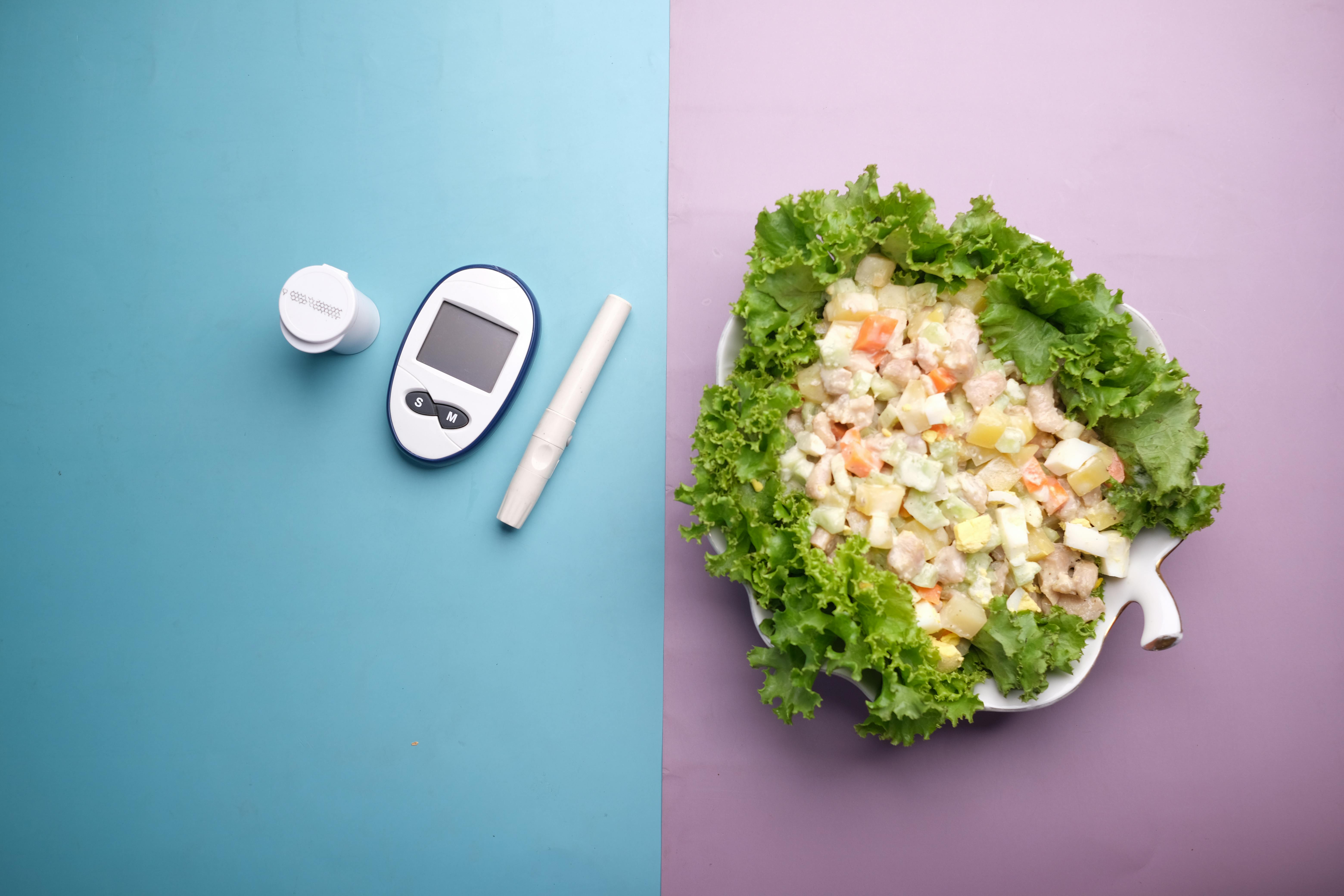
Table of Contents
- What to Eat When Blood Sugar Is High
- How Food Choices Affect Blood Sugar
- 15 Smart Foods for Better Blood Sugar Control
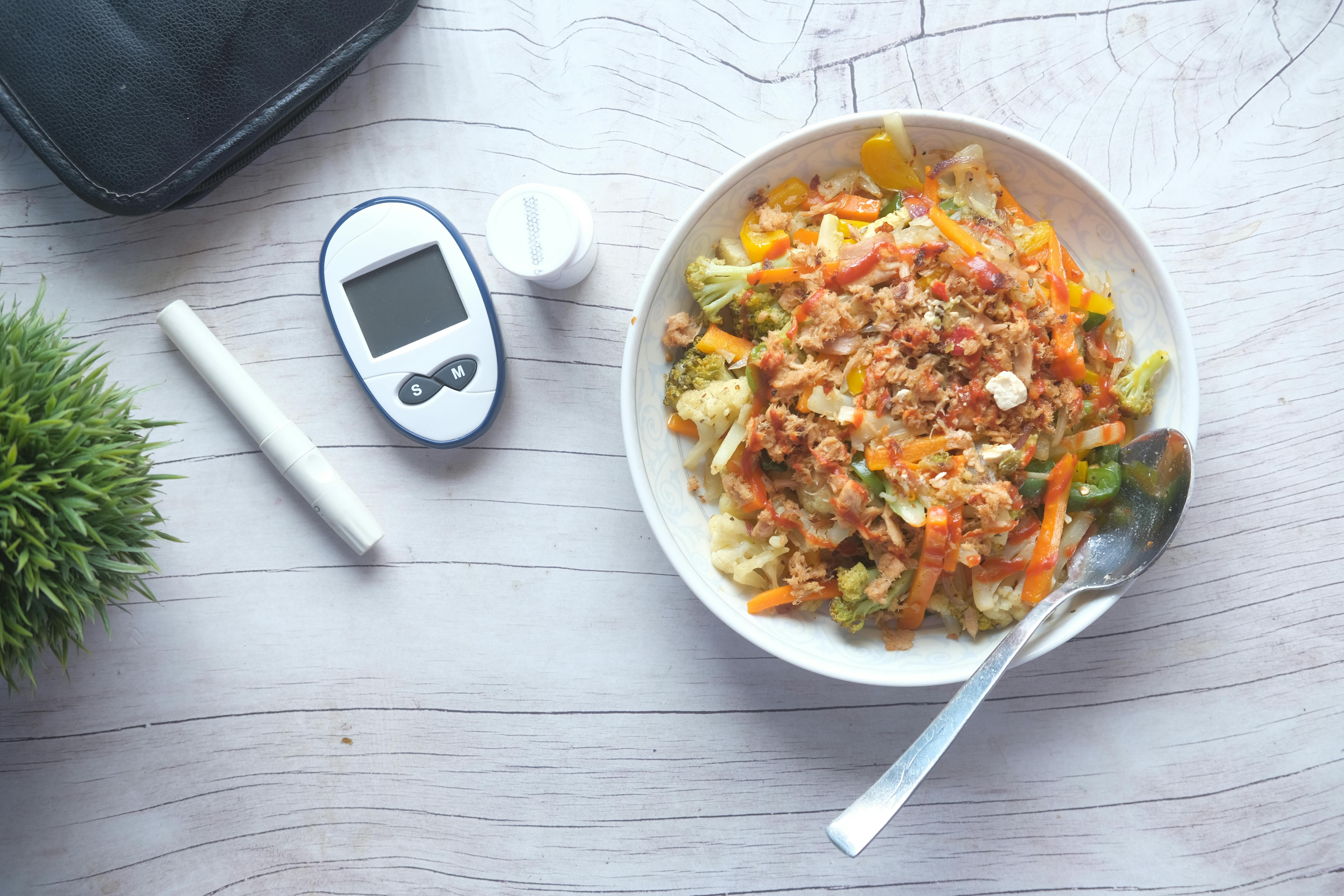
- How to Build a Blood-Sugar-Friendly Plate
- Foods to Limit When Blood Sugar Is High
- Continue Reading: Foods 8–15
What to Eat When Blood Sugar Is High
There is no single food that instantly “fixes” high blood sugar. When glucose is elevated, your overall meal pattern matters more than one particular ingredient.
A useful approach is to choose meals built around non-starchy vegetables, lean protein, fiber-rich foods, and moderate portions of carbohydrate. Drinking water instead of sugary beverages can also help you avoid adding more rapidly absorbed sugar to the meal.
If you use insulin or glucose-lowering medication, follow the treatment plan provided by your healthcare professional. Food choices should complement—not replace—your prescribed treatment.
How Food Choices Affect Blood Sugar
Carbohydrates are broken down into glucose, so carbohydrate-containing foods generally have a larger immediate effect on blood sugar than foods that contain mostly protein or fat.
But the type and amount of carbohydrate matter. Foods that contain more fiber tend to be digested more slowly than highly processed, refined carbohydrate foods. Pairing a carbohydrate source with protein, vegetables, or healthy fats can also make a meal more filling and may help reduce the tendency to eat large portions.
This is why a meal of vegetables, beans, lean protein, and a moderate amount of whole-food carbohydrate can be very different from a meal dominated by sugary drinks, refined bread, sweets, or large portions of highly processed foods.
15 Smart Foods for Better Blood Sugar Control
1. Non-Starchy Vegetables
Non-starchy vegetables are one of the easiest foods to include when you are trying to build a blood-sugar-friendly meal. Examples include spinach, broccoli, cauliflower, cucumber, zucchini, bell peppers, cabbage, mushrooms, tomatoes, and leafy greens.
These foods can add volume, fiber, vitamins, minerals, and texture to a meal without contributing the same amount of carbohydrate as many refined or starchy foods.
Try filling about half of your meal plate with non-starchy vegetables and then adding a source of protein and a moderate carbohydrate portion.
2. Eggs
Eggs are a convenient source of high-quality protein and contain very little carbohydrate. They can be useful for breakfast or as part of a balanced lunch or dinner.
Instead of combining eggs with large amounts of refined bread, sugary sauces, or processed breakfast foods, consider pairing them with vegetables and a modest portion of a high-fiber carbohydrate.
For example, scrambled eggs with spinach, mushrooms, and tomatoes can create a filling meal without relying heavily on refined carbohydrates.

3. Fatty Fish
Fatty fish such as salmon, sardines, trout, and mackerel provide protein and omega-3 fatty acids. They can be part of a balanced eating pattern for people who want to improve the overall quality of their diet.
Fish itself contains very little carbohydrate, making it a useful protein choice when planning a meal around blood sugar control.
For a simple dinner, combine baked salmon with roasted non-starchy vegetables and a small serving of beans, lentils, or another high-fiber carbohydrate.
4. Beans and Lentils
Beans and lentils contain carbohydrates, but they also provide fiber and plant-based protein. Because of this combination, they can be more satisfying than many refined carbohydrate foods.
Black beans, kidney beans, chickpeas, and lentils can be used in soups, salads, curries, or bowls.
Portion size still matters because beans and lentils do contain carbohydrate. A practical strategy is to combine a moderate portion with plenty of non-starchy vegetables and a protein source.
5. Plain Greek Yogurt
Unsweetened Greek yogurt can provide protein while being relatively low in carbohydrate compared with many sweetened yogurt products.
When choosing yogurt, check the nutrition label for added sugars. Flavored varieties can contain considerably more sugar than plain yogurt.
You can add a small portion of berries, cinnamon, or chopped nuts to plain yogurt instead of using sugar or sweetened syrups.
6. Avocado
Avocado provides mostly unsaturated fat along with fiber and other nutrients. Adding a small portion to a meal can improve texture and make the meal more satisfying.
Try avocado with eggs, a vegetable salad, or a protein-based meal. Remember that avocado is energy-dense, so a moderate serving is generally enough.
How to Build a Blood-Sugar-Friendly Plate
You do not need a complicated diet plan every time you sit down to eat. A simple plate method can make meal planning easier.
A practical plate structure:
- About half: non-starchy vegetables
- About one-quarter: lean protein
- About one-quarter: a carbohydrate-rich food, preferably a higher-fiber option
The exact portions that are appropriate can vary depending on your medication, activity level, health needs, and individual blood glucose response.
For example, a balanced dinner might include grilled fish, a large serving of broccoli and salad, and a moderate serving of lentils or another carbohydrate source.
Related Reading From FitGlucoseHub
If you are working on healthier blood sugar habits, these related guides may also be useful:
- Learn about practical ways to support healthier blood sugar after meals
- Explore healthy morning drink choices for blood sugar management
- Read our guide to foods that may help reduce sugar cravings
- See our beginner-friendly blood sugar meal planning guide
Foods to Limit When Blood Sugar Is High
When blood glucose is already elevated, it can be helpful to avoid adding a large amount of rapidly absorbed carbohydrate to the next meal.
Common examples include:
- Sugary soft drinks and sweetened beverages
- Fruit juices with little or no fiber
- Candy and sweets
- Large portions of cakes, cookies, and pastries
- Highly refined breakfast cereals
- Large portions of white bread or other refined grains
- Sugary coffee drinks
This does not mean every person with diabetes must completely eliminate every carbohydrate-containing food. The better approach is usually to consider food quality, portion size, total carbohydrate intake, and your individual glucose response.
Important: High Blood Sugar Should Not Be Ignored
If your blood sugar is significantly higher than your usual range, repeatedly elevated, or accompanied by concerning symptoms, food changes alone may not be enough.
People who use diabetes medication should follow their healthcare professional's instructions rather than changing medication doses on their own.
Seek urgent medical care if very high blood sugar occurs with serious symptoms such as vomiting, difficulty breathing, severe weakness, confusion, or other symptoms that concern you.
7. Chia Seeds
Chia seeds are small but provide fiber, plant-based protein, and healthy fats. Their fiber content makes them a useful addition to a balanced eating pattern when you are trying to make meals more filling.
You can add a small amount of chia seeds to plain Greek yogurt, unsweetened oatmeal, or a homemade chia pudding without adding refined sugar.
Because chia seeds are calorie-dense, a modest serving is usually enough. Also drink adequate fluids when increasing fiber in your diet.
8. Berries
Strawberries, raspberries, blackberries, and blueberries can be useful fruit choices because they provide fiber and naturally occurring sugars along with vitamins and other plant compounds.
Fruit does contain carbohydrate, so portion size still matters when you are managing blood glucose. Whole fruit is generally preferable to fruit juice because the whole fruit retains its fiber.
Try adding a small serving of berries to plain Greek yogurt, chia pudding, or a bowl of nuts and seeds.
9. Almonds and Other Nuts
Almonds, walnuts, pistachios, and other unsalted nuts provide protein, fiber, and predominantly unsaturated fats. They can be a convenient option when you want a filling snack without relying on sweets or refined carbohydrates.
Choose plain or lightly roasted nuts without added sugar. Since nuts are energy-dense, a small handful can be enough for a snack.
For a more balanced option, combine a few nuts with plain yogurt or a small serving of berries.
10. Tofu
Tofu is a plant-based protein that can fit easily into a blood-sugar-conscious meal. It contains relatively little carbohydrate and can be prepared in many different ways.
Try stir-fried tofu with broccoli, mushrooms, bell peppers, cabbage, or other non-starchy vegetables.
Be careful with sauces, however. Some ready-made stir-fry sauces contain significant amounts of added sugar. A simple combination of herbs, spices, garlic, ginger, and a lower-sugar sauce can be a better choice.
11. Oatmeal
Oatmeal can be part of a balanced breakfast, particularly when you choose minimally processed oats and keep the portion reasonable.
Instead of adding brown sugar, honey, flavored syrups, or sweetened dried fruit, try combining oats with cinnamon, chia seeds, nuts, and a small portion of berries.
Individual blood glucose responses to oatmeal can vary. If you monitor your blood sugar, paying attention to your response after different meals can help you understand which portions and combinations work best for you.
12. Quinoa
Quinoa is a nutrient-rich grain-like food that provides carbohydrate along with protein and fiber. It can be used as an alternative to refined grains in salads and main meals.
A practical meal could combine a moderate serving of quinoa with grilled chicken or tofu and a large portion of non-starchy vegetables.
Quinoa is still a carbohydrate-containing food, so it should be considered part of the carbohydrate portion of your meal rather than an unlimited food.
13. Leafy Greens
Spinach, kale, lettuce, arugula, collard greens, and other leafy vegetables are easy ways to add nutrients and volume to meals without relying heavily on carbohydrate.
You can use leafy greens as the base of a salad, add them to eggs, mix them into soups, or serve them alongside fish, chicken, tofu, or beans.
For a simple lunch, combine leafy greens with cucumber, tomato, grilled chicken, avocado, and a modest portion of beans.
14. Cottage Cheese
Plain cottage cheese can provide protein and can be used as part of a balanced snack or meal. Choose an unsweetened variety and check the nutrition label for carbohydrate and sodium content.
You can combine cottage cheese with cucumber and tomatoes for a savory snack or pair it with a small serving of berries for a different option.
If you have been advised to limit sodium, choose a lower-sodium variety when available.
15. Flaxseeds
Ground flaxseeds provide fiber, healthy fats, and other nutrients. They can be added to oatmeal, plain yogurt, smoothies, or homemade meals.
Ground flaxseed is generally easier to incorporate into foods than whole flaxseed because grinding makes its nutrients more accessible.
As with other high-fiber foods, increase your intake gradually and drink enough fluids.
Easy Meal Combinations Using These Foods
Knowing individual foods is useful, but combining them into realistic meals is even more important. Here are some simple ideas that can help you create balanced meals without complicated recipes.
Breakfast Ideas
- Eggs + spinach + tomatoes + a small portion of whole-grain toast
- Plain Greek yogurt + berries + chia seeds + a few almonds
- Oatmeal + cinnamon + ground flaxseed + a small serving of berries
- Cottage cheese + cucumber + tomatoes + a few nuts
Lunch Ideas
- Large leafy-green salad + grilled chicken + avocado + beans
- Tofu + broccoli + mushrooms + a moderate portion of quinoa
- Lentil and vegetable bowl + leafy greens + plain yogurt
Dinner Ideas
- Baked salmon + broccoli + leafy salad + a moderate portion of lentils
- Grilled chicken + roasted vegetables + quinoa
- Tofu and vegetable stir-fry + a controlled portion of high-fiber carbohydrate
What About Snacks When Blood Sugar Is High?
If you are hungry between meals, choosing a snack containing protein, fiber, or healthy fats can be more satisfying than reaching for candy, cookies, or sugary drinks.
Some simple options include:
- A small serving of unsalted almonds
- Plain Greek yogurt with a few berries
- Cottage cheese with cucumber
- A small serving of chia pudding without added sugar
- Vegetable slices with a protein-rich dip
Whether you actually need a snack depends on your eating schedule, medication, activity level, and individual needs. People using insulin or certain diabetes medications should follow the meal and snack guidance provided by their healthcare professional.
Foods and Drinks to Be More Careful With
When blood sugar is elevated, it can be helpful to reduce foods and drinks that provide a large amount of rapidly absorbed carbohydrate with little fiber or protein.
- Soda and other sugar-sweetened beverages
- Sweetened tea and coffee
- Energy drinks containing added sugar
- Large portions of sweets and desserts
- Sweetened breakfast cereals
- Pastries and donuts
- Large portions of refined white bread
- Fruit juice and other sweetened juices
This does not mean that everyone needs to follow exactly the same food restrictions. Your overall dietary pattern, portion sizes, medications, activity, and individual glucose response all matter.
Does Drinking Water Help When Blood Sugar Is High?
Water is generally a better choice than sugary beverages when you are trying to manage blood glucose. High blood sugar can also increase urination and contribute to fluid loss in some circumstances.
However, drinking water should not be viewed as a treatment that immediately brings dangerously high blood sugar back to a safe range.
If your glucose reading is unusually high or remains high despite following your usual treatment plan, follow the advice provided by your healthcare professional.
Can You Eat Fruit When Blood Sugar Is High?
Fruit can still be part of a balanced diet for many people with diabetes. The key issue is that fruit contains natural carbohydrate, so the portion and the type of fruit matter.
Whole fruit generally provides more fiber than juice. Instead of drinking a large glass of fruit juice, you may find a small serving of whole fruit more satisfying.
Berries, apples, pears, oranges, and other whole fruits can be incorporated into meals according to your individual carbohydrate needs.
Simple Rules for Better Blood Sugar-Friendly Eating
You do not need to completely redesign your diet overnight. Start with a few practical habits:
- Choose water or an unsweetened drink instead of sugary beverages.
- Make non-starchy vegetables a regular part of lunch and dinner.
- Include a protein source with meals.
- Choose high-fiber carbohydrate sources more often.
- Pay attention to portion sizes.
- Limit highly processed foods and added sugars.
- Read nutrition labels when buying packaged foods.
- Track your glucose according to your healthcare professional's recommendations.
Optional Supplement Support
Some readers may also be interested in a supplement designed to support healthy blood sugar levels. A supplement should be considered an optional addition to a healthy lifestyle—not a replacement for balanced meals, regular activity, blood sugar monitoring, or prescribed medication.
If you want to learn more about one option, you can read the product details here and review its ingredients before deciding whether it is right for you.
Frequently Asked Questions
1. What should I eat when my blood sugar is high?
Focus on a balanced meal containing non-starchy vegetables, protein, fiber-rich foods, and a moderate portion of carbohydrate. Avoid adding large amounts of sugary drinks or refined carbohydrates.
2. Can I eat eggs when my blood sugar is high?
Eggs contain very little carbohydrate and can be included in a balanced meal. Pair them with vegetables and an appropriate carbohydrate portion rather than a large amount of refined bread or sugary foods.
3. Are berries good for blood sugar control?
Berries contain natural sugar but also provide fiber and other nutrients. A reasonable portion of whole berries can fit into many balanced eating patterns.
4. Should I completely avoid carbohydrates?
Not necessarily. Carbohydrates are found in many nutritious foods. The type, portion, and overall meal combination are important considerations.
5. Is oatmeal okay for people with diabetes?
Oatmeal can fit into a diabetes-friendly eating pattern for many people. Choose minimally processed oats, watch the portion, and avoid loading the bowl with added sugar or sweetened toppings.
6. Can food alone lower very high blood sugar?
Food choices can support blood sugar management, but they should not be relied upon as the sole response to significantly or dangerously high glucose. Follow your healthcare professional's instructions and seek medical advice when necessary.
Related Reading From FitGlucoseHub
If you want to continue learning about practical blood sugar management, explore these related guides:
- Healthy ways to support blood sugar after meals
- Why Do I Feel Hungry After Eating? 7 Hidden Reasons and Simple Fixed | Fitglucosehub
- Best Late Night Snacks for Stable Blood Sugar | Fitglucosehub
- How to Reduce Blood Sugar Spikes After Meals Naturally | Fitglucosehub
- Why Blood Sugar Spikes After Eating Healthy Food | Fitglucosehub
- Visit FitGlucoseHub for more diabetes and healthy eating guides
Final Thoughts
When blood sugar is higher than usual, the goal should not be to search for one “magic” food. A better approach is to build balanced meals around vegetables, protein, fiber-rich foods, healthy fats, and sensible portions.
The 15 foods covered in this guide—from non-starchy vegetables and eggs to berries, nuts, tofu, oatmeal, quinoa, cottage cheese, and flaxseeds—can all be useful components of a balanced eating pattern. However, the right choices and portions can vary from person to person.
Small, consistent changes can be easier to maintain than extreme diets. Pay attention to your own glucose patterns and work with a healthcare professional when you need individualized guidance.
Medical Disclaimer
This article is intended for general educational and informational purposes only. It is not a substitute for professional medical advice, diagnosis, or treatment. Blood glucose targets and dietary requirements vary between individuals. If you have diabetes, use insulin or glucose-lowering medication, or frequently experience high blood sugar, consult a qualified healthcare professional for personalized guidance.
If blood sugar is very high and you develop symptoms such as vomiting, difficulty breathing, confusion, severe weakness, or other serious symptoms, seek urgent medical attention rather than relying on dietary changes alone.


0 Comments