
Why Is My Blood Sugar High After Fasting? Dawn Phenomenon Explained + 12 Proven Ways to Lower Morning Blood Sugar Naturally (2026)
Have you ever checked your blood sugar first thing in the morning only to find that it's higher than expected—even after fasting all night? If so, you're not alone. Many people with prediabetes, insulin resistance, or type 2 diabetes experience this frustrating problem. Seeing a high morning glucose reading can make you wonder whether your healthy eating plan is actually working.
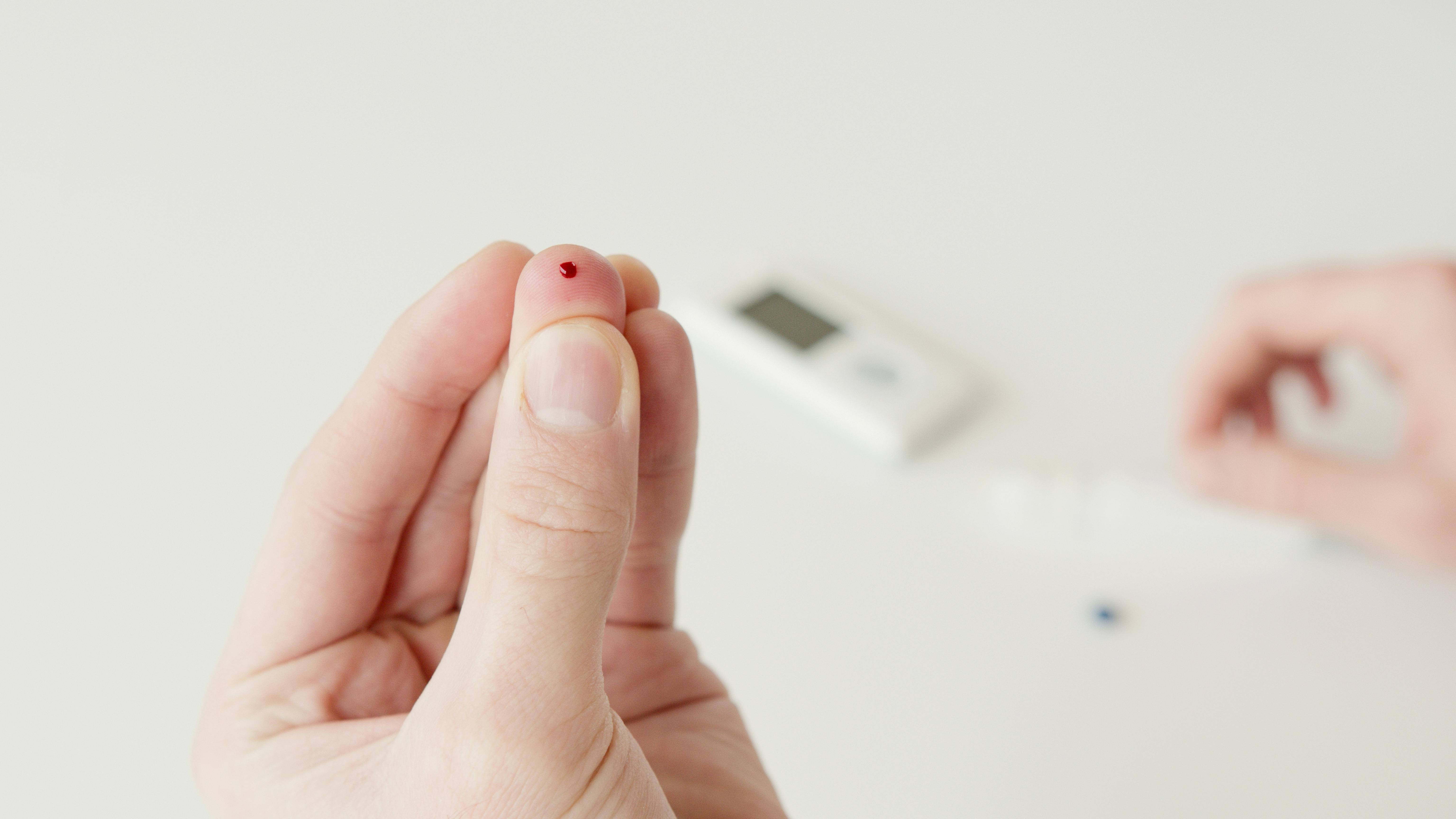
The good news is that a high fasting blood sugar reading doesn't always mean your condition is getting worse. In many cases, it's caused by a natural process called the Dawn Phenomenon. During the early morning hours, your body releases hormones that prepare you to wake up. These hormones can also trigger your liver to release extra glucose into your bloodstream, causing your blood sugar to rise before breakfast.
In this complete guide from FitGlucoseHub, you'll learn why morning blood sugar rises, how the Dawn Phenomenon differs from the Somogyi Effect, and the most effective lifestyle strategies that may help improve fasting glucose levels naturally.
If you've already read our guide on reversing prediabetes in 3 months, you'll know that improving insulin sensitivity is one of the biggest steps toward healthier blood sugar. Understanding what happens overnight is another important piece of the puzzle.
High fasting blood sugar is commonly caused by the Dawn Phenomenon, insulin resistance, late-night eating, poor sleep, stress, certain medications, or insufficient diabetes treatment. Identifying the real cause is the first step toward improving morning glucose levels.
Table of Contents
- What Is Fasting Blood Sugar?
- Why Is Blood Sugar Higher in the Morning?
- What Is the Dawn Phenomenon?
- Dawn Phenomenon vs Somogyi Effect
- Common Causes of High Morning Blood Sugar
- 12 Proven Ways to Lower Morning Blood Sugar Naturally
- Best Dinner and Bedtime Snack Tips
- Frequently Asked Questions
- Final Thoughts
What Is Fasting Blood Sugar?
Fasting blood sugar is your blood glucose level after not eating or drinking anything except water for at least 8–10 hours. It is usually measured first thing in the morning before breakfast because this provides a clear picture of how your body regulates glucose overnight.
Healthcare providers often use fasting blood sugar as one of the first tests to screen for prediabetes and type 2 diabetes. When fasting glucose stays consistently above the normal range, it may indicate that your body isn't using insulin effectively.
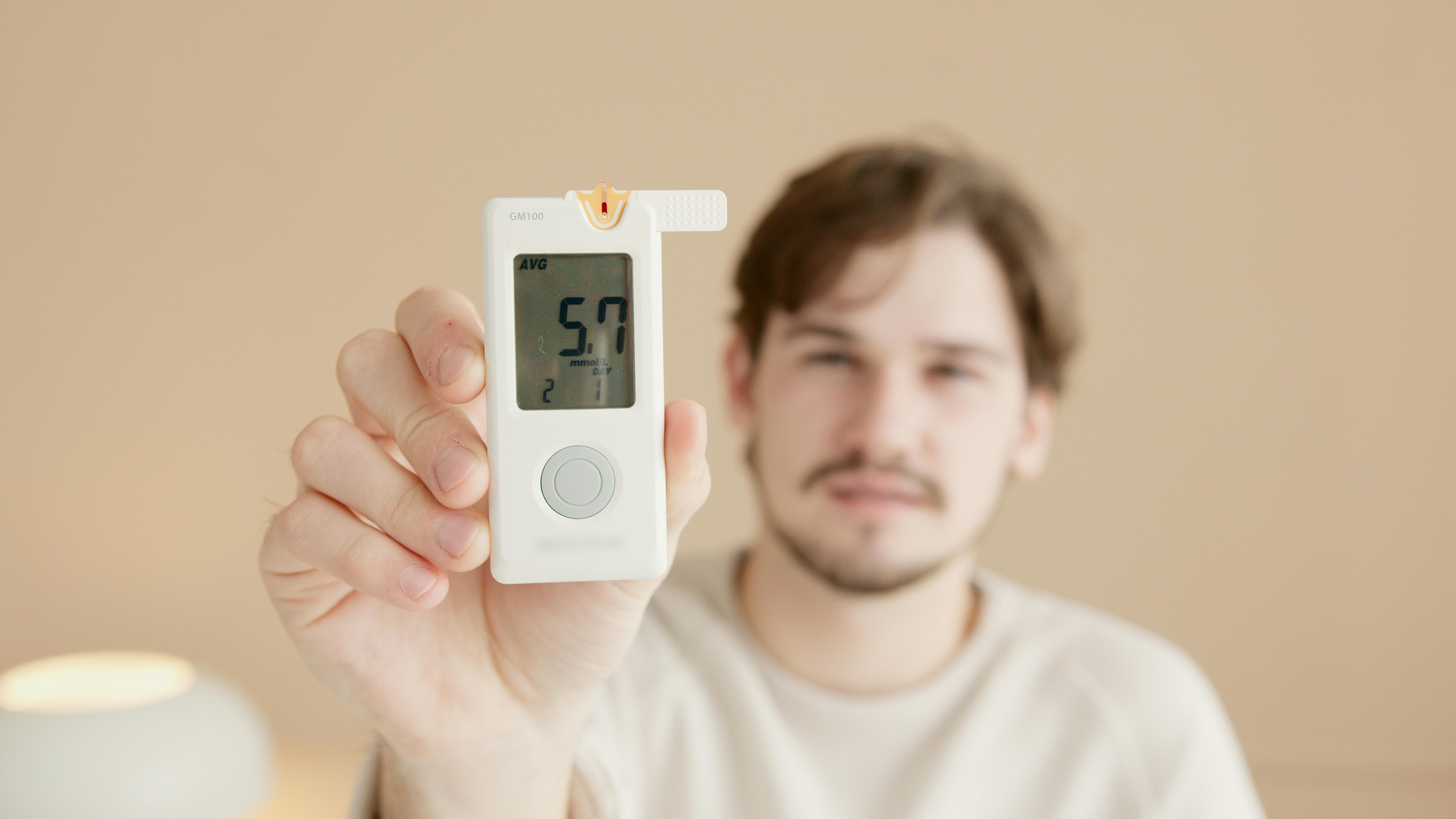
Normal Fasting Blood Sugar Levels
| Result | Fasting Blood Sugar |
|---|---|
| Normal | 70–99 mg/dL |
| Prediabetes | 100–125 mg/dL |
| Diabetes | 126 mg/dL or higher (on repeat testing) |
One high reading doesn't necessarily mean something is seriously wrong. Blood sugar can vary from day to day based on stress, illness, sleep quality, physical activity, and even what you ate the previous evening.
If your fasting blood sugar remains consistently elevated, it's worth reviewing your evening routine. Small changes—such as choosing a balanced dinner, staying active after meals, and selecting Best Foods to Eat After Dinner to Lower Blood Sugar Naturally when appropriate—may help improve overnight glucose control.
Don't focus on a single morning reading. Track your fasting blood sugar for several days under similar conditions and look for trends rather than isolated numbers. This gives a much clearer picture of your progress.
Why Is My Blood Sugar Higher in the Morning?
Many people assume that if they don't eat anything overnight, their blood sugar should automatically be lower in the morning. Surprisingly, the opposite can happen. Your body continues working while you sleep, and several natural hormones help prepare you to wake up. In some people, these hormones cause the liver to release extra glucose into the bloodstream, resulting in a higher fasting blood sugar reading.
This increase doesn't always mean you've eaten too much the night before or that your diabetes is getting worse. Often, it's simply your body's normal response to waking up. However, when insulin resistance is present, your body may not be able to move that extra glucose into your cells efficiently, causing blood sugar to remain elevated.
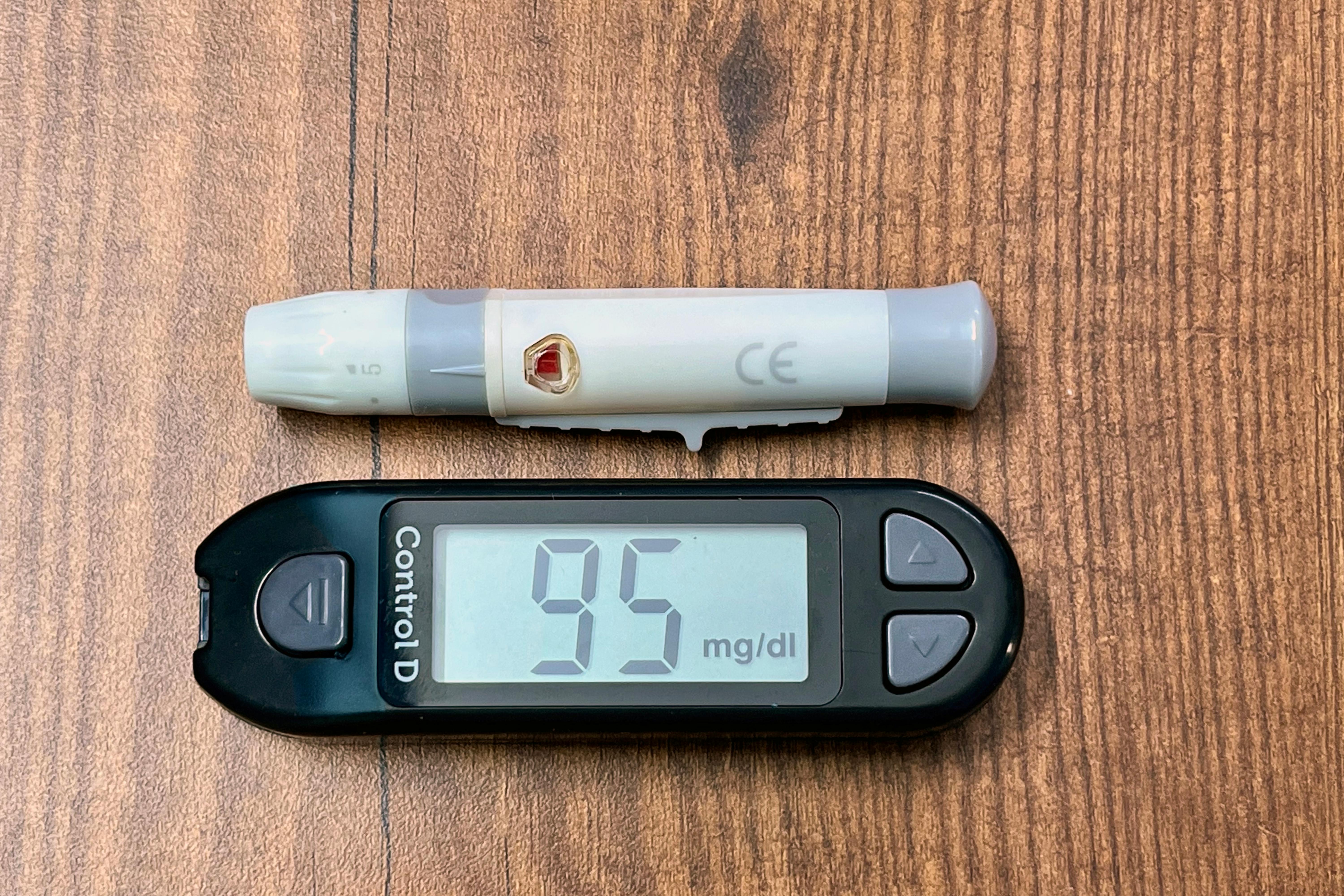
What Is the Dawn Phenomenon?
The Dawn Phenomenon is a natural early-morning rise in blood sugar that usually occurs between 3:00 a.m. and 8:00 a.m. During this time, your body releases hormones such as cortisol, growth hormone, glucagon, and adrenaline. These hormones help prepare your body for the day by telling your liver to release stored glucose.
In people without diabetes, the pancreas releases enough insulin to keep blood sugar within a healthy range. However, people with prediabetes, type 2 diabetes, or insulin resistance may not produce enough insulin or may not respond to it effectively. As a result, blood sugar rises higher than normal before breakfast.
The Dawn Phenomenon is estimated to affect many people with diabetes and can also occur in some individuals with prediabetes. It's one of the most common reasons for unexpectedly high fasting glucose readings.
If you're already working on improving insulin sensitivity through healthy eating, the strategies discussed in our 90-day prediabetes improvement guide can complement the tips in this article by addressing the underlying causes of insulin resistance.
Dawn Phenomenon vs. Somogyi Effect
Although both conditions can lead to high morning blood sugar, they have very different causes. Understanding the difference is important because the best solution depends on what's actually happening overnight.
| Dawn Phenomenon | Somogyi Effect |
|---|---|
| Caused by normal morning hormones that increase glucose production. | Caused by blood sugar dropping too low during the night, followed by a rebound increase. |
| Usually occurs between 3:00 a.m. and 8:00 a.m. | Usually begins with overnight hypoglycemia. |
| More common in people with insulin resistance and type 2 diabetes. | More often associated with insulin therapy or certain diabetes medications. |
| Lifestyle changes often help improve fasting glucose over time. | May require medication adjustments under medical supervision. |

How Can You Tell the Difference?
Your healthcare provider may recommend checking your blood sugar around 2:00–3:00 a.m. for several nights. If your glucose is normal or slightly elevated at that time but higher when you wake up, the Dawn Phenomenon is more likely. If your blood sugar is very low overnight and high in the morning, the Somogyi Effect may be considered.
Never change your diabetes medication or insulin dose based only on one morning reading. Any treatment adjustments should always be discussed with your healthcare provider.
Keeping a simple log of your dinner time, evening snack, physical activity, sleep hours, and morning blood sugar can help you identify patterns over several weeks. These records are also valuable to share during medical appointments.
7 Common Causes of High Morning Blood Sugar
If your fasting glucose is consistently higher than expected, the Dawn Phenomenon may not be the only reason. Several daily habits, medical conditions, and lifestyle factors can affect how your body regulates glucose overnight. Understanding these causes is the first step toward improving your morning blood sugar naturally.

1. Insulin Resistance
Insulin resistance is one of the most common reasons for elevated fasting blood sugar. When your body's cells don't respond properly to insulin, glucose stays in your bloodstream instead of being used for energy. Over time, this can increase your risk of prediabetes and type 2 diabetes.
If you're working on improving insulin sensitivity, our guide on reversing prediabetes in 3 months explains practical lifestyle changes that can help support healthier blood sugar levels.
2. Eating a Large Late-Night Meal
Heavy dinners or late-night snacks high in refined carbohydrates and added sugar may keep blood glucose elevated for several hours. This doesn't mean you should skip dinner, but choosing balanced meals with lean protein, vegetables, healthy fats, and high-fiber carbohydrates is usually a better approach.
When you need an evening snack, choosing one of our 25 Healthy Low-Calorie Snacks That Keep You Full (2026): Dietitian-Approved Weight Loss Guide may help you stay satisfied without causing large overnight glucose spikes.
3. Poor Sleep Quality
Getting less than 7 hours of quality sleep can affect hormones that regulate both hunger and blood sugar. Poor sleep may increase insulin resistance and make it more difficult for your body to maintain healthy fasting glucose levels.

4. Chronic Stress
Stress doesn't just affect your mood—it also influences your blood sugar. During stressful situations, your body releases hormones such as cortisol and adrenaline, which can signal the liver to release additional glucose into the bloodstream. Learning simple stress-management techniques may support healthier glucose control over time.
5. Lack of Physical Activity
Your muscles use glucose for energy during movement. When you spend long periods sitting and rarely exercise, your body becomes less efficient at using insulin. Even a 20–30 minute walk after dinner may help improve insulin sensitivity and support better morning blood sugar.
6. Certain Medications
Some medications, including certain corticosteroids and other prescription drugs, can affect blood sugar levels. Never stop or change prescribed medication without speaking with your healthcare provider first.
7. Illness or Infection
When your body is fighting an illness, it naturally releases stress hormones that may increase blood sugar levels. Temporary elevations during illness are common, but persistent high readings should be discussed with your healthcare provider.
High morning blood sugar is often caused by a combination of the Dawn Phenomenon, insulin resistance, evening eating habits, poor sleep, stress, inactivity, medications, or illness—not by a single factor alone.
When Should You Be Concerned?
An occasional high fasting blood sugar reading isn't always a reason to panic. However, if your morning glucose remains consistently elevated despite healthy lifestyle changes, or if you notice symptoms such as excessive thirst, frequent urination, blurred vision, unexplained weight loss, or unusual fatigue, it's important to consult your healthcare provider.
Regular blood tests, including your fasting glucose and A1C, can help determine whether your current treatment plan is working or whether additional evaluation is needed.

Don't judge your progress by a single morning reading. Track your fasting glucose for at least one to two weeks under similar conditions. Looking for trends rather than isolated numbers gives a much clearer picture of your overall blood sugar control.
What's Coming Next?
Now that you understand why your blood sugar may be high after fasting, the next step is learning what you can do about it. In Part 2, we'll cover 12 proven ways to lower morning blood sugar naturally, including the best dinner choices, bedtime habits, exercise strategies, hydration tips, and lifestyle changes that may help improve fasting glucose over time.
12 Proven Ways to Lower Morning Blood Sugar Naturally
If you've been wondering how to lower fasting blood sugar naturally, the good news is that small, consistent lifestyle changes often make a bigger difference than extreme diets. Instead of looking for a quick fix, focus on improving your daily habits. The following strategies are practical, science-informed, and easy to incorporate into your routine.
1. Eat a Balanced Dinner
Your evening meal has a direct impact on your fasting blood sugar the next morning. Dinners that are high in refined carbohydrates or added sugar may contribute to higher overnight glucose levels. A balanced plate with lean protein, high-fiber vegetables, healthy fats, and moderate portions of whole-food carbohydrates can help support steadier blood sugar.
Healthy dinner ideas include:
- Grilled chicken with steamed broccoli and quinoa
- Baked salmon with roasted vegetables
- Tofu stir-fry with mixed vegetables
- Lentil soup with a fresh salad
- Turkey and vegetable lettuce wraps
If you're looking for additional meal inspiration, our guide on 10 Food That May Help Reduce Sugar Cravings Naturally | Fitglucosehub includes simple recipes that fit well into a diabetes-friendly lifestyle.
2. Avoid Late-Night Sugary Snacks
Eating cookies, cakes, candy, sugary cereals, or sweetened drinks close to bedtime can keep blood glucose elevated for several hours. While not everyone needs a bedtime snack, those who do may benefit from choosing foods that combine protein, healthy fat, and fiber rather than refined carbohydrates.

Examples of balanced bedtime snacks include:
- Plain Greek yogurt with cinnamon
- A small handful of almonds or walnuts
- Cottage cheese with cucumber slices
- Apple slices with natural peanut butter (small portion)
- Boiled egg with sliced vegetables
For more ideas, explore our collection of blood-sugar-friendly bedtime snacks designed to support healthy overnight glucose levels.
3. Walk for 15–20 Minutes After Dinner
One of the simplest ways to improve blood sugar is to move your body after eating. A short walk helps your muscles use glucose for energy, which may reduce post-meal blood sugar spikes and contribute to healthier fasting glucose over time.
You don't need an intense workout. A comfortable walk around your neighborhood or even walking indoors after dinner can become an effective daily habit.
Consistency is more important than intensity. Walking for 20 minutes every evening is often easier to maintain than doing one long workout only on weekends.
4. Stay Hydrated Throughout the Day
Water plays an important role in overall metabolic health. Mild dehydration can affect how your body regulates blood sugar, so aim to drink enough water throughout the day unless your healthcare provider has advised otherwise.
Replacing sugary beverages with water, sparkling water, or unsweetened herbal tea is a simple change that may support healthier glucose management while reducing unnecessary calorie intake.

If you're also trying to improve insulin resistance, combining proper hydration with regular physical activity and a balanced eating plan can provide greater benefits than relying on a single strategy.
Lifestyle changes should always come first. Some people also discuss nutritional support with their healthcare provider. If you'd like to explore that option, you can learn more about this blood sugar support formula here and decide whether it's appropriate for your personal health goals.
12 Proven Ways to Lower Morning Blood Sugar Naturally
If you've been wondering how to lower fasting blood sugar naturally, the good news is that small, consistent lifestyle changes often make a bigger difference than extreme diets. Instead of looking for a quick fix, focus on improving your daily habits. The following strategies are practical, science-informed, and easy to incorporate into your routine.
1. Eat a Balanced Dinner
Your evening meal has a direct impact on your fasting blood sugar the next morning. Dinners that are high in refined carbohydrates or added sugar may contribute to higher overnight glucose levels. A balanced plate with lean protein, high-fiber vegetables, healthy fats, and moderate portions of whole-food carbohydrates can help support steadier blood sugar.
Healthy dinner ideas include:
- Grilled chicken with steamed broccoli and quinoa
- Baked salmon with roasted vegetables
- Tofu stir-fry with mixed vegetables
- Lentil soup with a fresh salad
- Turkey and vegetable lettuce wraps
If you're looking for additional meal inspiration, our guide on Best Morning Routine For Weight Loss Naturally In 2026 | Fitglucosehub includes simple recipes that fit well into a diabetes-friendly lifestyle.
2. Avoid Late-Night Sugary Snacks
Eating cookies, cakes, candy, sugary cereals, or sweetened drinks close to bedtime can keep blood glucose elevated for several hours. While not everyone needs a bedtime snack, those who do may benefit from choosing foods that combine protein, healthy fat, and fiber rather than refined carbohydrates.
Examples of balanced bedtime snacks include:
- Plain Greek yogurt with cinnamon
- A small handful of almonds or walnuts
- Cottage cheese with cucumber slices
- Apple slices with natural peanut butter (small portion)
- Boiled egg with sliced vegetables
For more ideas, explore our collection of blood-sugar-friendly bedtime snacks designed to support healthy overnight glucose levels.
3. Walk for 15–20 Minutes After Dinner
One of the simplest ways to improve blood sugar is to move your body after eating. A short walk helps your muscles use glucose for energy, which may reduce post-meal blood sugar spikes and contribute to healthier fasting glucose over time.
You don't need an intense workout. A comfortable walk around your neighborhood or even walking indoors after dinner can become an effective daily habit.
Consistency is more important than intensity. Walking for 20 minutes every evening is often easier to maintain than doing one long workout only on weekends.
4. Stay Hydrated Throughout the Day
Water plays an important role in overall metabolic health. Mild dehydration can affect how your body regulates blood sugar, so aim to drink enough water throughout the day unless your healthcare provider has advised otherwise.
Replacing sugary beverages with water, sparkling water, or unsweetened herbal tea is a simple change that may support healthier glucose management while reducing unnecessary calorie intake.
If you're also trying to improve insulin resistance, combining proper hydration with regular physical activity and a balanced eating plan can provide greater benefits than relying on a single strategy.
Lifestyle changes should always come first. Some people also discuss nutritional support with their healthcare provider. If you'd like to explore that option, you can learn more about this blood sugar support formula here and decide whether it's appropriate for your personal health goals.
5. Eat More Fiber Every Day
One of the easiest ways to improve blood sugar control naturally is to increase your daily fiber intake. Fiber slows the digestion of carbohydrates, helping reduce sudden blood sugar spikes after meals while keeping you full for longer.
Fiber-rich foods include:
- Broccoli
- Spinach
- Oats
- Lentils
- Beans
- Chia seeds
- Flaxseeds
- Apples
- Berries
If you're planning your weekly meals, combining these foods with the ideas in our prediabetes meal plan can help you build balanced, blood-sugar-friendly meals without feeling deprived.
6. Improve Your Sleep Quality
Sleep is often overlooked, yet it plays an important role in regulating blood sugar and insulin sensitivity. Poor sleep can increase stress hormones, reduce insulin effectiveness, and contribute to higher fasting glucose levels.
Try these healthy sleep habits:
- Go to bed at the same time each night.
- Avoid heavy meals just before sleeping.
- Limit screen time for at least 30–60 minutes before bed.
- Keep your bedroom cool, dark, and quiet.
- Aim for 7–9 hours of quality sleep.
7. Reduce Daily Stress
Long-term stress can increase cortisol levels, which may cause your liver to release more glucose into the bloodstream. While stress is a normal part of life, finding healthy ways to manage it may help support better blood sugar control.
Simple stress-reducing activities include:
- Deep breathing exercises
- Meditation
- Yoga
- Listening to relaxing music
- Spending time outdoors
- Reading before bed
Even 10 minutes of relaxation each day can become a valuable part of your overall diabetes-friendly lifestyle.
8. Choose Smarter Evening Carbohydrates
You don't have to avoid carbohydrates completely. Instead, choose carbohydrates that digest more slowly and provide fiber. These foods are less likely to cause sharp overnight glucose spikes than refined grains and sugary snacks.
Better evening carbohydrate choices include:
- Quinoa
- Brown rice (moderate portion)
- Sweet potatoes
- Beans
- Lentils
- Steel-cut oats
Try pairing these foods with lean protein and vegetables to create a balanced dinner. If you regularly struggle with high morning glucose, reviewing your evening meal alongside our healthy bedtime snack guide may help you identify small improvements that fit your lifestyle.
Foods That May Contribute to Higher Morning Blood Sugar
Everyone responds differently to food, but the following items commonly contribute to larger blood sugar spikes when eaten in excess, especially late in the evening:
- Sugary soft drinks
- Sweetened fruit juices
- Candy and chocolate
- Cakes, cookies, and pastries
- White bread
- White rice in large portions
- Sugary breakfast cereals
- Ice cream
- Potato chips
- Highly processed snack foods
Healthy eating doesn't have to be perfect. Focus on making better choices most of the time instead of trying to eliminate every favorite food. Long-term consistency is what supports healthier blood sugar levels.
If you're considering additional nutritional support alongside healthy eating and regular exercise, you can read more about this blood sugar support formula here. It's best to review the ingredients carefully and discuss any supplement with your healthcare provider before using it.
9. Maintain a Healthy Weight
If you're overweight or have excess abdominal fat, even a modest weight loss can make a noticeable difference in insulin sensitivity. Research suggests that losing around 5–10% of your body weight may help improve blood sugar control and reduce the risk of developing type 2 diabetes.
The goal isn't rapid weight loss. Instead, focus on sustainable habits such as eating balanced meals, increasing daily activity, staying hydrated, and getting enough sleep. Small improvements maintained over time often produce better long-term results than restrictive diets.
If you're beginning your weight-loss journey, you may also enjoy our guide on Best Bedtime Habits for Better Blood Sugar Control | Fitglucosehub.
10. Monitor Your Blood Sugar Consistently
Checking your blood sugar regularly can help you understand how your meals, exercise, sleep, and stress levels affect your glucose readings. Rather than focusing on a single number, look for patterns over several days or weeks.
Keeping a simple journal can be helpful. Record:
- Morning fasting blood sugar
- Dinner time and meal choices
- Physical activity
- Sleep duration
- Stress level
- Any medications or supplements taken
This information can help both you and your healthcare provider make informed decisions about your lifestyle or treatment plan.
11. Follow Your Treatment Plan
If you've been prescribed medication for diabetes or prediabetes, take it exactly as directed by your healthcare provider. Medication works best when combined with healthy eating, regular exercise, and other positive lifestyle habits.
Never increase, reduce, or stop medication without professional medical advice—even if your blood sugar readings begin to improve.
12. Stay Consistent With Healthy Habits
Improving fasting blood sugar is rarely about making one dramatic change. Instead, success usually comes from repeating small healthy habits every day. Consistency is one of the most powerful tools for improving long-term metabolic health.
Try to focus on:
- Balanced meals
- Regular physical activity
- Quality sleep
- Stress management
- Proper hydration
- Routine blood sugar monitoring
Don't aim for perfection—aim for progress. Building healthy habits that you can maintain for months and years is far more effective than following a strict plan for only a few weeks.
A Simple Morning Routine to Support Healthy Blood Sugar
How you start your day can influence your overall energy levels and blood sugar management. Consider building a morning routine like this:
- Wake up at a consistent time each day.
- Drink a glass of water after waking.
- Check your fasting blood sugar if recommended by your healthcare provider.
- Take a short walk or do light stretching.
- Eat a balanced breakfast with protein, fiber, and healthy fats.
- Avoid sugary drinks on an empty stomach.
When Should You Contact Your Doctor?
Although occasional morning blood sugar fluctuations are common, it's important to seek medical advice if:
- Your fasting blood sugar remains consistently high.
- Your A1C continues to increase.
- You experience excessive thirst or frequent urination.
- You have unexplained weight loss or persistent fatigue.
- Your home glucose readings are becoming increasingly difficult to manage.
Early medical guidance can help prevent complications and ensure that your treatment plan is appropriate for your current health needs.
Healthy lifestyle habits remain the foundation of blood sugar management. If you're exploring additional nutritional support, you can learn more about this blood sugar support formula here. Review the ingredients carefully and discuss any supplement with your healthcare provider before use.
What's Coming Next?
Now that you understand the most common causes of high fasting blood sugar and practical ways to improve it, the final section answers the questions people ask most often. We'll also cover common myths, key takeaways, and a practical conclusion to help you build healthier long-term habits.
Frequently Asked Questions (FAQs)
Below are the most common questions people ask about high fasting blood sugar, the Dawn Phenomenon, and improving morning glucose naturally.
1. Why is my blood sugar high after fasting for 8 hours?
The most common reason is the Dawn Phenomenon, where your body releases hormones before you wake up that signal your liver to release stored glucose. Stress, poor sleep, insulin resistance, illness, medications, and late-night eating may also contribute to higher morning blood sugar.
2. Is the Dawn Phenomenon dangerous?
The Dawn Phenomenon itself is a normal biological process. However, if it causes consistently high fasting blood sugar, it may indicate that your current lifestyle or treatment plan needs adjustment. Discuss persistent high readings with your healthcare provider.
3. What should my fasting blood sugar be in the morning?
For many adults:
- 70–99 mg/dL is generally considered normal.
- 100–125 mg/dL is typically classified as prediabetes.
- 126 mg/dL or higher on repeat testing may indicate diabetes.
Your personal target may differ depending on your age, medical history, and your healthcare provider's recommendations.
4. Can drinking water lower fasting blood sugar?
Drinking enough water supports overall health and helps prevent dehydration, but water alone is not a treatment for high blood sugar. It works best as part of a healthy lifestyle that includes balanced meals, regular exercise, quality sleep, and stress management.
5. Does walking after dinner help lower morning blood sugar?
Yes. A gentle walk for 15–30 minutes after dinner may help your muscles use glucose more efficiently, reducing post-meal blood sugar spikes and supporting healthier fasting glucose over time.
For more practical ideas, you can also explore our How to Lower Blood Sugar Naturally at Home (Complete Diabetes Support Guide 2026).
6. Which foods help improve fasting blood sugar?
Many people benefit from meals that include:
- Leafy green vegetables
- Lean protein
- Beans and lentils
- Nuts and seeds
- Whole grains in moderate portions
- Healthy fats such as olive oil and avocado
7. Should I avoid carbohydrates completely?
No. Carbohydrates provide energy and don't need to be eliminated entirely. Choosing high-fiber, minimally processed carbohydrates and controlling portion sizes is generally a more sustainable approach than avoiding carbs altogether.
8. Can poor sleep raise fasting blood sugar?
Yes. Poor sleep may increase cortisol and other stress hormones, making it harder for your body to use insulin effectively. Aim for 7–9 hours of quality sleep each night whenever possible.
9. Do supplements cure high fasting blood sugar?
No. Dietary supplements should never replace healthy eating, physical activity, or prescribed medical treatment. If you're considering a supplement, review the ingredients carefully and discuss it with your healthcare provider first.
10. When should I see a doctor?
You should seek medical advice if your fasting blood sugar remains consistently high, your A1C continues to increase, or you experience symptoms such as excessive thirst, frequent urination, blurred vision, unexplained weight loss, or persistent fatigue.
Common Myths vs Facts
| Myth | Fact |
|---|---|
| High fasting blood sugar always means diabetes is getting worse. | Not always. The Dawn Phenomenon, stress, poor sleep, illness, or evening eating habits can also contribute. |
| Skipping dinner will automatically lower morning blood sugar. | Skipping meals may not improve fasting glucose and isn't appropriate for everyone. Balanced meals are usually a better long-term strategy. |
| Only people with diabetes experience the Dawn Phenomenon. | It can also affect some people with prediabetes or insulin resistance. |
| One high glucose reading means treatment has failed. | Blood sugar naturally fluctuates. Look for trends over several days rather than focusing on a single result. |
| Supplements alone can normalize blood sugar. | Healthy eating, exercise, weight management, quality sleep, and medical guidance remain the foundation of long-term blood sugar management. |
A high fasting blood sugar reading doesn't always mean you're doing something wrong. Understanding the cause, building healthy daily habits, and tracking long-term trends are often the most effective ways to support better blood sugar control.
Final Thoughts: Why Is Your Blood Sugar High After Fasting?
Finding a high fasting blood sugar reading can be frustrating, but it doesn't automatically mean your health is getting worse. In many cases, the Dawn Phenomenon, lifestyle habits, insulin resistance, sleep quality, stress, or meal timing all play a role.
The encouraging news is that many of these factors can be improved through consistent daily habits. A balanced dinner, regular physical activity, quality sleep, stress management, and routine blood sugar monitoring can all support healthier morning glucose levels over time.
Rather than looking for a quick fix, focus on building habits that you can maintain for years. Small improvements practiced consistently often produce better long-term results than extreme diets or temporary solutions.
If you've enjoyed this guide, you may also find these FitGlucoseHub resources helpful:
- Can You Reverse Prediabetes in 3 Months?
- Best Bedtime Snacks for Blood Sugar Control
- Healthy Weight Loss Habits That Support Blood Sugar
Looking for Additional Nutritional Support?
Healthy eating, exercise, and your healthcare provider's advice should always come first. Some readers also choose to learn about nutritional supplements that are designed to support overall metabolic health.
If you'd like to explore one popular blood sugar support formula, you can learn more here. Always review the ingredient list carefully and consult your healthcare provider before starting any supplement.
Key Takeaways
- ✔ High morning blood sugar is often caused by the Dawn Phenomenon.
- ✔ Poor sleep, stress, inactivity, insulin resistance, and late-night eating can also contribute.
- ✔ A balanced dinner and regular evening walk may help support healthier fasting glucose.
- ✔ Monitor trends over time instead of worrying about one isolated reading.
- ✔ Work with your healthcare provider if fasting blood sugar remains consistently elevated.
Medical Disclaimer
This article is intended for educational purposes only and should not be considered medical advice. It does not diagnose, treat, cure, or prevent any disease. Always consult a qualified healthcare professional before making changes to your diet, exercise routine, medications, or supplement use. Individual results may vary.
★★★★★
Thank you for reading this guide on FitGlucoseHub.
Explore more evidence-based articles to support your journey toward healthier blood sugar and better metabolic health.


0 Comments