
Best Natural Ways to Reduce Blood Sugar Spikes After Meals
Many people notice that their energy crashes or they feel sleepy after eating a meal. In many cases, these symptoms are linked to blood sugar spikes after meals. While occasional increases in blood sugar are normal, frequent spikes may make it harder to maintain healthy glucose levels over time.
The good news is that simple daily habits can make a significant difference. Choosing the right foods, eating in the correct order, staying active, and following a balanced lifestyle may help reduce sudden increases in blood sugar naturally.
In this guide, you'll learn practical, science-backed strategies that are easy to follow. Whether you're trying to improve your diet or looking for natural ways to support healthy glucose levels, these tips can help you build better eating habits.
What Are Blood Sugar Spikes?
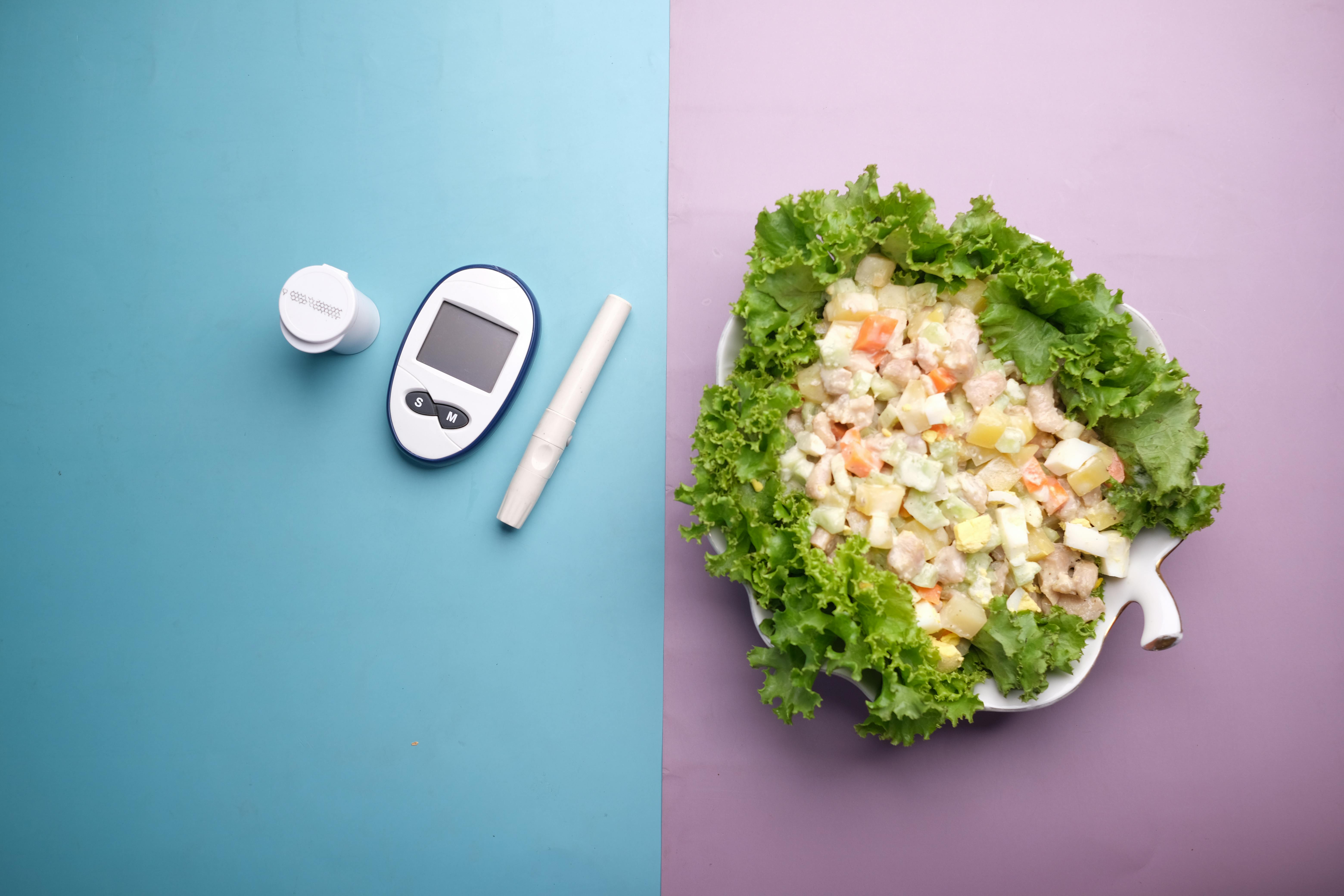
A blood sugar spike happens when glucose in your bloodstream rises quickly after eating, especially after consuming foods high in refined carbohydrates or added sugar. Your body releases insulin to move glucose into your cells, but large spikes may place extra stress on this natural process.
Occasional spikes are normal, but repeated high spikes may be associated with insulin resistance and reduced energy levels.
Common Causes of Blood Sugar Spikes
- Eating large portions of refined carbohydrates
- Drinking sugary beverages
- Skipping fiber-rich foods
- Lack of physical activity
- Poor sleep quality
- High stress levels
Signs You May Experience Blood Sugar Spikes
- Feeling tired after meals
- Sudden hunger shortly after eating
- Brain fog
- Increased thirst
- Frequent urination
- Sugar cravings
1. Start Every Meal with Fiber
One of the easiest ways to reduce blood sugar spikes after meals is by eating vegetables or salad before carbohydrates. Fiber slows digestion and helps glucose enter the bloodstream more gradually.
Good choices include leafy greens, broccoli, cucumbers, carrots, cabbage, and other non-starchy vegetables.
2. Choose Protein with Every Meal
Protein helps you stay full longer and slows carbohydrate absorption. Including eggs, chicken, fish, Greek yogurt, tofu, beans, or lentils with meals may support more stable glucose levels.
3. Avoid Sugary Drinks
Soft drinks, sweetened juices, and energy drinks can cause rapid increases in blood sugar. Instead, choose water, sparkling water without sugar, or unsweetened herbal tea.
4. Walk for 10–20 Minutes After Eating
A short walk after meals is one of the simplest habits for supporting healthy blood sugar. Light movement encourages muscles to use glucose for energy, which may help reduce post-meal glucose peaks.
5. Eat Healthy Fats with Carbohydrates
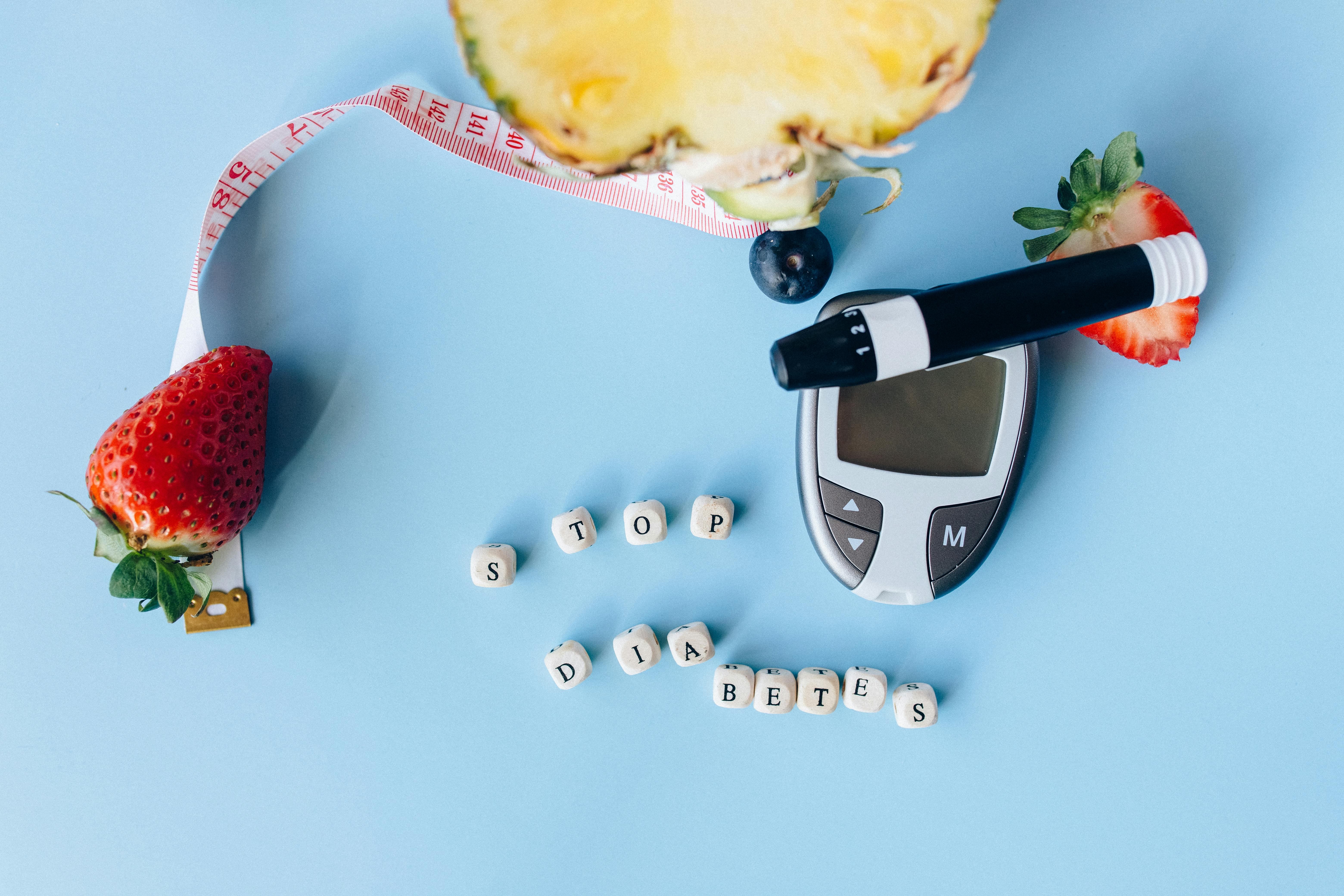
Healthy fats can slow down digestion and help your body absorb carbohydrates more gradually. Instead of eating bread, rice, or potatoes alone, pair them with healthy fat sources such as avocado, olive oil, almonds, walnuts, chia seeds, or natural peanut butter. This simple habit may help support healthy blood sugar levels throughout the day.
6. Choose Whole Grains Instead of Refined Carbs
Whole grains contain more fiber and nutrients than refined grains. Replacing white bread, white rice, and sugary cereals with oats, quinoa, brown rice, or whole-grain bread may reduce sudden increases in glucose after meals.
7. Stay Hydrated
Drinking enough water supports many body functions, including healthy metabolism. While water isn't a treatment for high blood sugar, staying hydrated may help your body function more efficiently throughout the day.
Best Foods That May Help Reduce Blood Sugar Spikes
| Food | Why It Helps |
|---|---|
| Leafy Greens | High in fiber and low in carbohydrates |
| Eggs | Rich in protein to slow digestion |
| Greek Yogurt | High protein with fewer carbohydrates |
| Oats | Contain soluble fiber that supports steady digestion |
| Beans & Lentils | High in protein and fiber |
| Nuts | Healthy fats help improve meal balance |
| Berries | Lower sugar than many other fruits and rich in antioxidants |
Foods That May Cause Bigger Blood Sugar Spikes
- Sugary soft drinks
- Sweet desserts and candies
- White bread
- White rice in large portions
- Breakfast cereals with added sugar
- French fries
- Packaged snacks
- Sweetened coffee drinks
Best Drinks After Meals
- Plain Water
- Unsweetened Green Tea
- Herbal Tea
- Lemon Water (without sugar)
- Sparkling Water (unsweetened)
Simple Daily Routine for Better Blood Sugar Support
- Eat vegetables before carbohydrates.
- Include protein with every meal.
- Choose whole grains over refined grains.
- Avoid sugary drinks.
- Walk for 10–20 minutes after eating.
- Drink enough water.
- Sleep 7–9 hours each night.
- Manage stress through meditation or deep breathing.
Related Articles You May Also Like
If you found this guide helpful, check out these related articles on FitGlucoseHub to learn more about natural blood sugar support:
- Best High Protein Breakfast Ideas for Better Blood Sugar
- Explore More Blood Sugar & Healthy Living Articles
Recommended Blood Sugar Support
A healthy diet, regular exercise, quality sleep, and stress management are the foundation of maintaining healthy blood sugar. Some people also choose to add a natural blood sugar support supplement to complement these healthy habits.
If you're considering a supplement, look for products that contain well-known ingredients such as berberine, cinnamon extract, chromium, alpha-lipoic acid, and magnesium. Always review the ingredient list, follow the manufacturer's directions, and consult a healthcare professional if you have diabetes or take prescription medication.
👉 Check Today's Recommended Blood Sugar Support Supplement
Related Articles on FitGlucoseHub
If you're looking to improve your overall health beyond managing blood sugar spikes, these expert guides on FitGlucoseHub can help you build healthier daily habits:
- Discover natural ingredients commonly found in blood sugar support supplements and learn how they may complement a healthy lifestyle.
- Learn practical tips for losing weight at home without going to the gym, including simple diet and daily activity strategies.
Frequently Asked Questions
How long does a blood sugar spike last after eating?
For most people, blood sugar rises within 30–60 minutes after a meal and gradually returns toward normal within about 2–3 hours, depending on the meal and individual health.
Is walking after meals helpful?
Yes. A short walk after eating may help your muscles use glucose for energy and support healthy post-meal blood sugar levels.
Which foods are best for stable blood sugar?
Fiber-rich vegetables, lean protein, legumes, nuts, seeds, and whole grains are commonly recommended as part of a balanced eating plan.
Should I avoid carbohydrates completely?
No. The focus should be on choosing high-quality carbohydrates and controlling portion sizes rather than eliminating carbohydrates entirely.
Can supplements help support healthy blood sugar?
Some natural supplements are marketed for blood sugar support. If you decide to use one, choose products from trusted brands and consult a healthcare professional, especially if you take diabetes medication.
Final Thoughts
Managing blood sugar spikes after meals doesn't require a complicated diet. Small habits—such as eating more fiber, including protein, choosing whole foods, drinking water, and taking a short walk after meals—can make a meaningful difference over time. Consistency is more important than perfection.
Looking for additional blood sugar support? Some people also choose natural supplements alongside a healthy diet and regular exercise. Always read product labels carefully and consult your healthcare provider before starting any supplement.
For more evidence-based nutrition guides and wellness tips, explore other articles on FitGlucoseHub.
Medical Disclaimer: This article is for educational purposes only and is not intended to diagnose, treat, cure, or prevent any disease. Always seek advice from a qualified healthcare professional before making changes to your diet, exercise routine, or medication.


0 Comments