
How to Lower Blood Sugar After a Meal Naturally: 10 Simple Ways That May Help
Post-meal blood sugar spikes can be frustrating, especially when you are trying to make healthier food choices but still notice your glucose levels rising after eating. The good news is that everyday habits such as food choices, portion awareness, movement, and meal balance may help support healthier blood sugar levels after meals.
In this guide, Fitglucosehub explains how to lower blood sugar after a meal naturally using simple, practical strategies. These tips are not a replacement for medical treatment, and people taking diabetes medication should follow their healthcare professional's advice.
If you are looking for realistic ways to support better glucose control, this article will walk you through what happens after eating, why some meals cause bigger spikes, and which habits may help reduce the size of those spikes over time.
Some people also explore nutrition and wellness products designed to support healthy glucose metabolism. Learn more about this optional support here.
Why Does Blood Sugar Rise After a Meal?
When you eat foods containing carbohydrates, your digestive system breaks many of those carbohydrates down into glucose. That glucose enters the bloodstream, causing blood sugar levels after eating to rise. Your body normally responds by releasing insulin, a hormone that helps move glucose from the blood into cells where it can be used or stored.
The size of the rise can vary considerably. A meal containing large portions of refined carbohydrates may affect blood glucose differently than a balanced meal containing protein, fiber, and minimally processed carbohydrate sources.
Several factors may influence your post-meal glucose response, including:
- The type and amount of carbohydrates eaten
- Portion size
- Fiber content of the meal
- Whether the meal contains protein and healthy fats
- Your activity level
- Sleep and stress patterns
- Individual insulin response and overall health
This is one reason two people can eat the same meal and experience different changes in blood sugar.
How Long Does Blood Sugar Stay High After Eating?
Blood sugar usually changes after a meal as digestion takes place, but the timing and size of the increase can vary from person to person. Factors such as the food eaten, meal size, medication use, and individual metabolism all play a role.
Rather than focusing only on finding a quick way to lower blood sugar after eating, it is often more helpful to build habits that support smaller and more manageable post-meal increases. Consistency matters more than trying to find one “miracle” food or drink.
For people who monitor their glucose, patterns over time can be more useful than judging a single reading without context. If you frequently experience unusually high readings or have concerns about your glucose levels, discussing them with a qualified healthcare professional is important.
10 Simple Ways That May Help Lower Blood Sugar After a Meal Naturally
1. Take a Short Walk After Eating
One of the simplest habits you can consider is walking after meals for blood sugar support. Your muscles use glucose for energy during physical activity, so gentle movement after eating may help your body use some of the glucose circulating in the bloodstream.
You do not necessarily need an intense workout. A comfortable walk after lunch or dinner can be a practical option for many people. The best approach is one you can perform consistently and safely.
For example, instead of sitting immediately after finishing a meal, consider light movement such as:
- Taking a relaxed walk
- Walking around your home
- Doing light household activity
- Using gentle movement if it is appropriate for your fitness level
This habit may be especially useful as part of an overall plan focused on reducing blood sugar spikes after meals naturally.
Want more practical strategies for managing post-meal glucose changes? Explore these natural ways that may help reduce blood sugar spikes after meals.
2. Drink Water Instead of Sugary Drinks
Staying hydrated is an important part of overall health. When you are thirsty, choosing water instead of regular soda, sweetened beverages, or drinks with large amounts of added sugar can also help you avoid adding extra rapidly absorbed carbohydrates to your meal.
This does not mean water is a magic solution that instantly removes glucose from the bloodstream. However, replacing sugary drinks with water may be a useful long-term habit for people trying to reduce unnecessary sources of added sugar.
A simple approach is to make water your usual mealtime drink and treat sweetened beverages as occasional choices rather than an everyday habit.
3. Avoid Making Refined Carbohydrates the Entire Meal
Meals built mostly around highly refined carbohydrates may lead to a different glucose response than meals that include more fiber, protein, and minimally processed foods. Instead of thinking about completely eliminating carbohydrates, focus on the quality and balance of your carbohydrate choices.
Examples of highly refined carbohydrate foods can include:
- White bread
- Sugary breakfast cereals
- Sweet baked goods
- Candy and desserts
- Sugar-sweetened drinks
Depending on your individual dietary needs, you may choose more fiber-rich options and combine carbohydrates with other foods that help create a more balanced meal.
4. Add More Fiber to Your Meals
High-fiber foods for stable blood sugar can be an important part of a balanced eating pattern. Fiber is found in foods such as vegetables, legumes, seeds, nuts, and many minimally processed plant foods.
A meal containing fiber-rich foods may affect digestion differently from a meal made primarily from refined carbohydrates. For this reason, improving your overall fiber intake may be a useful strategy when you are trying to support healthier post-meal glucose patterns.
Easy ways to add more fiber include:
- Adding vegetables to lunch and dinner
- Including beans or lentils when appropriate
- Choosing whole-food carbohydrate sources more often
- Adding suitable seeds or nuts to meals
Increase dietary fiber gradually if you are not used to eating much of it, and make sure your overall dietary choices suit your personal health needs.
5. Include Protein With Your Carbohydrate Foods
Another useful strategy for a balanced meal for blood sugar control is to avoid eating carbohydrate-rich foods completely by themselves whenever possible. Adding an appropriate source of protein can help make meals more satisfying and nutritionally balanced.
Depending on your dietary preferences, protein sources may include:
- Eggs
- Fish
- Chicken
- Greek yogurt or other suitable dairy foods
- Beans and legumes
- Tofu
- Other minimally processed protein-rich foods
The ideal amount and type of protein can depend on your overall diet and health needs. The goal is not to eat unlimited protein, but to create meals that are more balanced instead of relying heavily on refined carbohydrates.
6. Pay Attention to Portion Size
Even nutritious foods can contribute a substantial amount of carbohydrates when eaten in very large portions. That is why portion control for blood sugar management can be useful.
You do not have to make every meal extremely small or count every bite. A more practical approach is to become aware of portions, particularly when eating foods that are easy to overconsume.
Try asking yourself:
- Am I still hungry, or am I eating because the food is available?
- Is my plate balanced with vegetables, protein, and other foods?
- Am I eating slowly enough to notice fullness?
- Do I regularly eat very large portions of carbohydrate-heavy foods?
Small, sustainable adjustments can be easier to maintain than extreme restrictions.
7. Choose Lower-Glycemic Foods More Often
The best foods for stable blood sugar are not defined by one single rule. However, choosing less processed, fiber-rich foods more often may be a practical part of an overall healthy eating pattern.
Examples may include non-starchy vegetables, legumes, and other nutrient-dense whole foods that fit your dietary requirements.
The way a food affects you can depend on the portion, how it is prepared, and what you eat with it. For example, eating a food as part of a balanced meal can create a different response than eating a large amount of a refined carbohydrate by itself.
If you want meal ideas that focus on slower-digesting carbohydrate choices, discover low-glycemic foods that may support more stable blood sugar.
Quick Summary: Habits That May Support Better Post-Meal Blood Sugar
| Habit | Why It May Help |
|---|---|
| Light movement after meals | Muscles use glucose for energy during activity. |
| Choose water | May help reduce extra added sugar from sweetened drinks. |
| Eat more fiber-rich foods | Supports a balanced dietary pattern and digestion. |
| Include protein | Can help create a more balanced and satisfying meal. |
| Watch portions | May help manage the total carbohydrate amount consumed at one meal. |
| Choose minimally processed foods | Can support a higher-quality, more balanced eating pattern. |

A short walk and other healthy lifestyle habits may support better post-meal glucose management.
8. Avoid Sitting for Long Periods Immediately After Eating
After finishing a meal, it may be helpful to avoid remaining completely inactive for a long period when possible. This does not mean everyone needs to exercise after every meal. Even gentle movement may be easier to include in your daily routine.
For many people, the goal is simply to reduce prolonged sitting and create healthier habits around meals. A short walk, light household activity, or standing and moving around may be more practical than intense exercise.
If you are trying to find how to lower blood sugar after a meal naturally, focus on habits you can repeat consistently. A simple routine performed regularly is usually more realistic than an extreme routine you stop after a few days.
9. Manage Stress and Support Better Sleep
Food is not the only factor that can influence blood sugar patterns. Stress, poor sleep, illness, and changes in your regular routine may also affect how your body manages glucose.
Long-term stress can make healthy habits harder to maintain. For example, when people feel stressed or tired, they may be more likely to skip balanced meals, eat large portions, choose highly processed foods, or reduce physical activity.
Simple lifestyle habits that may support your overall routine include:
- Following a regular sleep schedule
- Creating a relaxing bedtime routine
- Taking short breaks during stressful days
- Using gentle relaxation techniques
- Making time for regular physical activity when appropriate
There is no single trick that guarantees stable glucose levels. However, improving several everyday habits together may provide more meaningful long-term support than relying on one food, drink, or supplement.
10. Build More Balanced Meals Before Trying to “Fix” a Spike
One of the most practical approaches to reduce blood sugar spikes after meals naturally is prevention. Instead of waiting until after a very high-carbohydrate or sugary meal and searching for an instant solution, think about how you can build a more balanced plate from the beginning.
A balanced meal may include a combination of:
- Non-starchy vegetables
- An appropriate protein source
- Fiber-rich carbohydrate foods
- Healthy fats in suitable portions
This approach does not require perfection. You can start by making one improvement at a time. For example, add vegetables to one meal, replace a sugary drink with water, or take a short walk after dinner.
If breakfast is one of the hardest meals to balance, you may also find these high-protein breakfast ideas helpful for building a more satisfying morning meal.
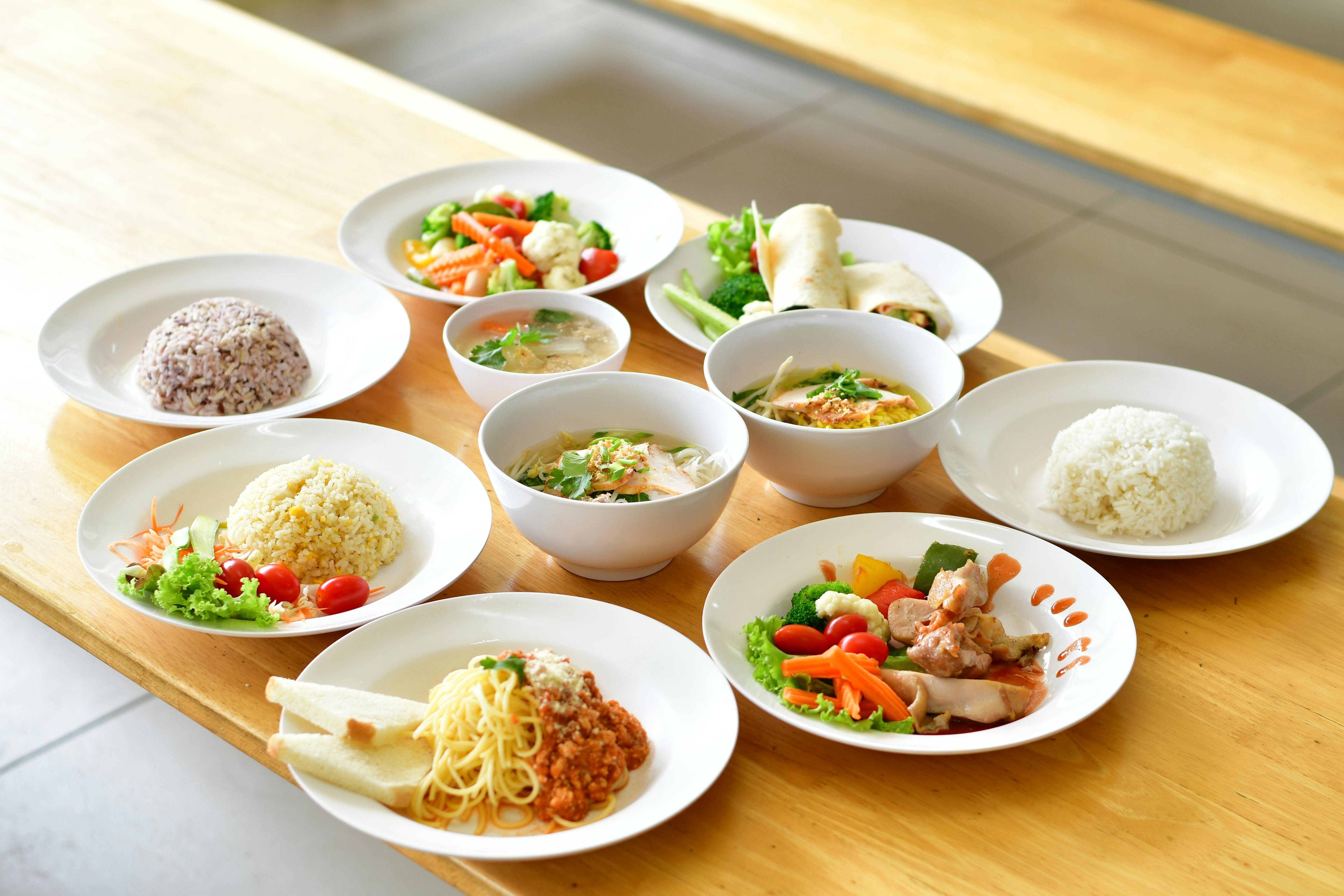
A balanced meal pattern may help support healthier post-meal blood sugar responses.
Foods and Drinks That May Cause Bigger Blood Sugar Spikes
Different people respond differently to foods, but meals high in rapidly absorbed carbohydrates or added sugars may produce a larger rise in blood glucose for some individuals.
Examples that may be worth limiting or eating less frequently include:
- Sugar-sweetened sodas and beverages
- Large portions of candy and sweets
- Highly sweetened desserts
- Large servings of refined grains
- Sweetened breakfast cereals
- Highly processed snack foods with added sugars
The goal is not necessarily to label every food as “good” or “bad.” Your overall eating pattern, portion sizes, and the frequency of certain foods can all matter.
Can Drinking Water Lower Blood Sugar Quickly?
Water is an excellent choice for hydration, especially when it replaces beverages containing added sugar. However, it should not be viewed as an instant treatment for dangerously high blood sugar.
Choosing water may help you avoid consuming additional sugar through sweetened drinks, but persistent or significantly elevated glucose levels require appropriate medical guidance.
If you have diabetes and your blood sugar is unexpectedly high, follow the management plan provided by your healthcare professional rather than relying on home remedies alone.
What About Apple Cider Vinegar, Cinnamon, or Other Natural Remedies?
Many people search for natural remedies for lowering blood sugar after eating. Foods and ingredients such as cinnamon or vinegar are often discussed online, but they should not be presented as guaranteed treatments for high blood sugar.
Research findings, individual responses, and safe use can vary. A natural ingredient is not automatically suitable for every person, especially those taking medication or managing a medical condition.
A stronger long-term approach is to focus on your overall dietary pattern, physical activity, sleep, stress management, and medical care when needed.
Looking for Additional Blood Sugar Support?
Healthy eating and lifestyle habits should remain the foundation of any blood sugar management plan. Some adults also choose to explore nutritional products designed to support healthy glucose metabolism as part of their broader wellness routine.
Learn more about this optional blood sugar support option here
Important: This product is not intended to diagnose, treat, cure, or prevent disease. Consult a qualified healthcare professional before using supplements, especially if you take medication or have a medical condition.
When Should You Contact a Healthcare Professional?
Healthy habits can support general wellness, but they are not a substitute for medical care. Contact a qualified healthcare professional if you regularly experience concerning blood sugar readings, symptoms that worry you, or difficulty managing diabetes.
People using insulin or other glucose-lowering medications should be particularly careful about making major changes to diet, exercise, or supplements without professional guidance.
If you experience severe symptoms or believe you may have a medical emergency, seek urgent medical assistance.
A Simple Post-Meal Routine You Can Try
If you want a practical starting point, consider this simple routine:
- Build a balanced plate: Include vegetables, protein, and appropriate carbohydrate portions.
- Choose water: Reduce unnecessary added sugar from beverages.
- Eat mindfully: Slow down and pay attention to portions.
- Move when appropriate: Consider gentle activity such as a short walk after eating.
- Look for patterns: If you monitor glucose, discuss recurring concerns with your healthcare professional.
This type of routine may be easier to maintain than extreme diets or promises of overnight results.
Frequently Asked Questions
1. What is the fastest natural way to lower blood sugar after eating?
There is no guaranteed natural method that instantly lowers blood sugar for everyone. For many people, building balanced meals and using safe, appropriate physical activity can support healthier glucose management. If your blood sugar is significantly elevated, follow your healthcare professional's guidance.
2. Does walking after meals help lower blood sugar?
Gentle movement after eating may help the body use glucose for energy because muscles use glucose during activity. The appropriate type and amount of activity depend on the individual.
3. What should I drink after a meal to avoid extra sugar?
Water is a simple choice because it does not add sugar or calories. It is often a practical replacement for regular sugar-sweetened drinks.
4. Can I lower blood sugar by avoiding all carbohydrates?
Carbohydrates do not need to be completely eliminated for everyone. A better approach may be to focus on carbohydrate quality, portions, fiber, and overall meal balance based on your individual needs.
5. What foods may help support more stable blood sugar?
Fiber-rich vegetables, legumes, suitable protein foods, and other minimally processed nutrient-dense foods can be part of a balanced eating pattern. Individual responses and dietary requirements can vary.
6. Can supplements replace a healthy diet or diabetes medication?
No. Supplements should not replace prescribed medication, professional medical advice, or a balanced eating pattern. Anyone considering a supplement should review its suitability with a qualified healthcare professional.
Final Verdict: How to Lower Blood Sugar After a Meal Naturally
If you are searching for how to lower blood sugar after a meal naturally, the most useful answer is usually not a single “quick fix.” Long-term habits can matter more.
Start with practical changes such as eating more balanced meals, choosing fiber-rich foods, including appropriate protein, watching portions, replacing sugary drinks with water, and adding safe movement to your routine.
The goal is not perfection at every meal. Small improvements repeated consistently can help create a healthier lifestyle. If you have diabetes or concerns about your blood sugar, use these general lifestyle ideas alongside—not instead of—the guidance provided by your healthcare team.
Fitglucosehub is committed to sharing practical information about healthy eating, weight management, and blood sugar wellness to help readers make more informed lifestyle choices.
Medical Disclaimer
This content is provided for educational and informational purposes only. It is not medical advice and should not be used to diagnose, treat, cure, or prevent any disease. Blood sugar levels can be affected by medications, diabetes, other medical conditions, diet, physical activity, and individual factors. Always consult a qualified healthcare professional regarding concerns about your blood sugar or before making significant changes to medication, diet, exercise, or supplement use. If you believe you are experiencing a medical emergency, seek immediate medical assistance.


0 Comments