
Can You Reverse Prediabetes in 3 Months? A Science-Based 90-Day Plan (2026)
Prediabetes can feel frightening when you first hear the diagnosis, but it doesn't always mean you will develop type 2 diabetes. Many people successfully improve their blood sugar levels through healthy lifestyle changes, weight management, better food choices, regular physical activity, and consistent daily habits.
If you're wondering whether it's possible to reverse prediabetes in 3 months, the answer is encouraging: for many people, significant improvement is possible. The exact results depend on factors such as your starting blood sugar levels, weight, age, activity level, sleep quality, and how consistently you follow a healthy routine.
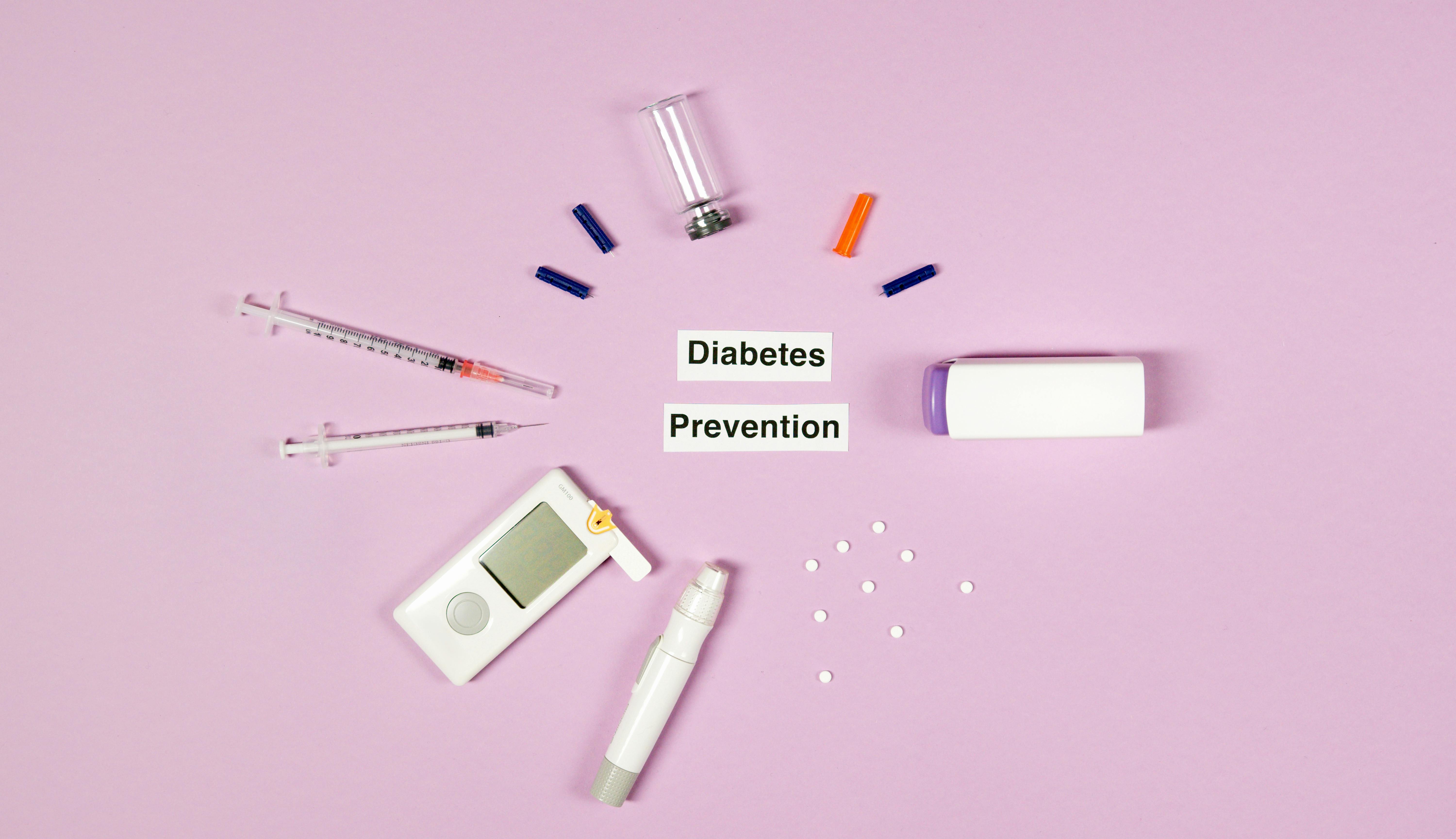
This guide from FitGlucoseHub explains the science behind reversing prediabetes, what happens inside your body, and how a structured 90-day plan may help improve insulin sensitivity. You'll also learn practical strategies that are realistic to follow rather than extreme diets that are difficult to maintain.
If you've already started making healthier food choices, learning about the best foods that naturally support healthy blood sugar can make this plan even more effective. Likewise, choosing smart evening meals and bedtime snacks that help stabilize overnight glucose may support better fasting blood sugar the next morning.
Table of Contents
- What Is Prediabetes?
- Can You Reverse Prediabetes in 3 Months?
- What Does Science Say?
- The Complete 90-Day Plan
- Best Foods to Eat
- Foods to Avoid
- Exercise Plan
- Weight Loss Strategy
- Frequently Asked Questions
What Is Prediabetes?
Prediabetes is a condition in which your blood sugar is higher than normal but not yet high enough to be diagnosed as type 2 diabetes. It usually develops gradually over several years, giving you an important opportunity to take action before permanent damage occurs.
The main reason prediabetes develops is insulin resistance. Insulin is a hormone that helps move glucose from your bloodstream into your body's cells, where it is used for energy. When your cells become resistant to insulin, glucose stays in your bloodstream longer, causing blood sugar levels to rise.
Over time, your pancreas tries to compensate by producing more insulin. Eventually, it becomes difficult for the body to keep up, increasing the risk of developing type 2 diabetes.
Many people are surprised to learn that prediabetes often has no obvious symptoms. That's why regular blood tests are so important, especially if you have risk factors such as excess body weight, a family history of diabetes, high blood pressure, or a sedentary lifestyle.
If you're also trying to lose weight, combining this plan with a healthy weight-loss strategy for insulin resistance may improve your chances of lowering blood sugar naturally while supporting long-term health.
Another important step is understanding which daily habits quietly affect glucose levels. Even factors like poor sleep, chronic stress, and physical inactivity can reduce insulin sensitivity, making it harder to achieve healthy blood sugar control.
Quick Fact: Research consistently shows that losing just 5–10% of your body weight can significantly improve insulin sensitivity and reduce the risk of progressing to type 2 diabetes.
Can You Reverse Prediabetes in 3 Months?
The short answer is yes—many people can significantly improve or even reverse prediabetes in 3 months. However, there is no guarantee because every person's body responds differently. Your success depends on factors such as your starting blood sugar levels, body weight, eating habits, physical activity, sleep quality, stress management, and whether you consistently follow healthy lifestyle changes.
Prediabetes develops gradually, which means your body often gives you time to make meaningful improvements before type 2 diabetes develops. Instead of searching for a quick fix, focus on building daily habits that improve insulin sensitivity and reduce blood sugar levels over time.

The first few weeks are often when people notice the biggest improvements. Reducing sugary drinks, eating more fiber, increasing daily movement, and choosing balanced meals can all help your body use insulin more efficiently. If you've already learned about Best Drinks That May Help Improve Insulin Sensitivity Naturally (2026), you'll recognize many of these same principles throughout this guide.
What Does Science Say?
Medical research has shown that structured lifestyle changes can dramatically lower the risk of developing type 2 diabetes. Regular exercise, gradual weight loss, healthier food choices, and improved sleep have all been associated with better insulin sensitivity and improved blood sugar control.
One of the most encouraging findings is that losing just 5–10% of your body weight can significantly improve how your body responds to insulin. Even modest improvements may lower fasting blood sugar and reduce A1C over time.
This doesn't mean you need an extreme diet. Sustainable progress usually comes from consistent habits that you can maintain for months and years—not just a few weeks.
Important: Prediabetes reversal means your blood sugar returns to the normal range without progressing to diabetes. It does not mean you're permanently "cured." Healthy habits should continue even after your numbers improve.
Who Has the Best Chance of Reversing Prediabetes?
Although everyone is different, certain people often respond especially well to lifestyle changes.
- People who were diagnosed recently.
- Those who are overweight and safely lose 5–10% of their body weight.
- People who exercise consistently.
- Those who reduce refined carbohydrates and added sugars.
- People who improve sleep quality and manage daily stress.
- Individuals who monitor their progress regularly and stay consistent.
If your goal also includes healthy weight management, combining this plan with your weight-loss nutrition guide can support both better glucose control and improved metabolic health. Likewise, paying attention to your evening routine—including choosing blood-sugar-friendly bedtime snacks when appropriate—may help improve fasting glucose readings the next morning.

How Long Does It Take to See Results?
Some people notice lower fasting blood sugar within just a few weeks of making healthier choices. Others may need several months before blood tests show meaningful improvement. The key is consistency rather than perfection.
Instead of expecting overnight results, focus on small daily wins:
- Walk after meals whenever possible.
- Fill half your plate with non-starchy vegetables.
- Choose lean protein with every meal.
- Drink water instead of sugary beverages.
- Aim for quality sleep every night.
- Stay physically active throughout the week.
These simple habits work together to improve insulin sensitivity, reduce blood sugar spikes, and support gradual, sustainable progress.
Reversing prediabetes in 3 months is possible for many people, but success depends on consistent lifestyle changes—not quick fixes. Small improvements repeated every day often produce the biggest long-term results.
Your 90-Day Plan to Reverse Prediabetes Naturally
If you're serious about trying to reverse prediabetes in 3 months, don't try to change everything overnight. The most successful people focus on building one healthy habit at a time. Over the next 90 days, your goal is to improve insulin sensitivity, reduce blood sugar spikes, and create a lifestyle you can maintain for years.

Days 1–30: Build a Strong Foundation
The first month is all about removing habits that keep your blood sugar elevated while introducing healthier alternatives. Even small changes can make a noticeable difference.
- Stop drinking sugary beverages.
- Replace refined carbohydrates with whole-food options.
- Eat a source of protein at every meal.
- Walk for 20–30 minutes at least five days each week.
- Sleep for 7–9 hours every night.
- Drink enough water throughout the day.
If you're unsure which foods are the best choices, our guide on 10 Best Foods That May Help Reduce A1C Naturally (2026 Guide) can help you build healthier meals without feeling restricted.
Days 31–60: Improve Insulin Sensitivity
Once healthy habits become easier, focus on improving your body's response to insulin. This is where many people begin noticing better fasting blood sugar and more stable energy throughout the day.
- Add strength training two or three times each week.
- Increase your daily step count.
- Choose high-fiber vegetables with lunch and dinner.
- Reduce processed snacks and desserts.
- Practice stress-management techniques such as deep breathing or meditation.
Many people also notice that eating balanced evening meals and choosing healthy bedtime snacks for blood sugar control may support more stable overnight glucose levels.
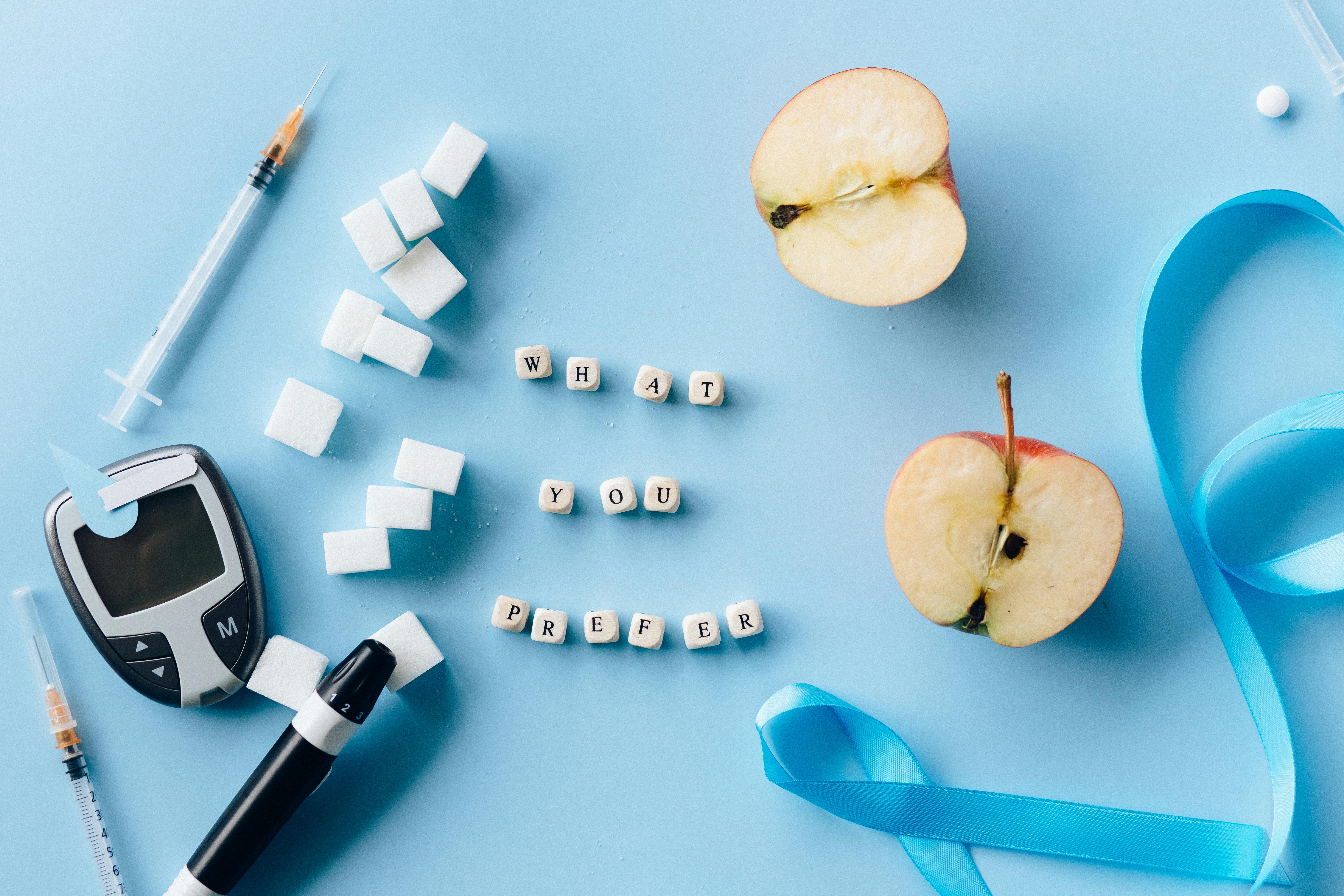
Days 61–90: Create Long-Term Habits
During the final month, your goal is to make these habits part of your everyday routine. By now, healthier eating and regular exercise should feel much more natural than when you first started.
- Continue eating balanced meals.
- Exercise consistently every week.
- Track your body weight and waist measurement.
- Monitor fasting blood sugar if recommended by your healthcare provider.
- Celebrate progress instead of expecting perfection.
Remember: Even if your blood sugar hasn't completely returned to the normal range after 90 days, every healthy choice you make lowers your future risk of developing type 2 diabetes and improves your overall health.
Common Mistakes That Slow Prediabetes Reversal
Many people unknowingly make mistakes that prevent their blood sugar from improving. Avoiding these habits can help you stay on track.
- Skipping breakfast and overeating later.
- Drinking fruit juice instead of eating whole fruit.
- Sleeping less than seven hours regularly.
- Depending only on supplements instead of lifestyle changes.
- Following crash diets that are impossible to maintain.
- Remaining inactive for long periods during the day.
The best plan is the one you can follow consistently. Small improvements repeated every day often produce better long-term results than extreme diets that last only a few weeks.
Best Diet to Reverse Prediabetes Naturally
There isn't a single "magic diet" that can reverse prediabetes in 3 months. Instead, the most effective approach is eating nutrient-dense whole foods that help improve insulin sensitivity while reducing rapid blood sugar spikes.
A healthy prediabetes diet plan should include lean protein, high-fiber vegetables, healthy fats, and complex carbohydrates in balanced portions. This combination helps slow digestion, keeps you feeling full longer, and provides steady energy throughout the day.

If you're already following our guide on foods that naturally support healthy blood sugar, you'll notice many of the same principles here. The goal isn't to eliminate every carbohydrate but to choose smarter, higher-quality sources.
1. Fill Half Your Plate with Non-Starchy Vegetables
Vegetables are naturally rich in fiber, vitamins, minerals, and antioxidants while being low in calories. Fiber slows glucose absorption and supports better blood sugar control.
- Broccoli
- Spinach
- Cauliflower
- Cucumber
- Bell peppers
- Zucchini
- Green beans
- Cabbage
Aim to include vegetables with both lunch and dinner to naturally increase fiber intake.
2. Choose Lean Protein with Every Meal
Protein helps reduce hunger and slows the digestion of carbohydrates, leading to more stable blood sugar levels.
- Chicken breast
- Turkey
- Fish
- Eggs
- Greek yogurt (unsweetened)
- Paneer (in moderation)
- Tofu
- Lentils and beans
If mornings are difficult, preparing a high-protein breakfast in advance can help you avoid sugary breakfast options.
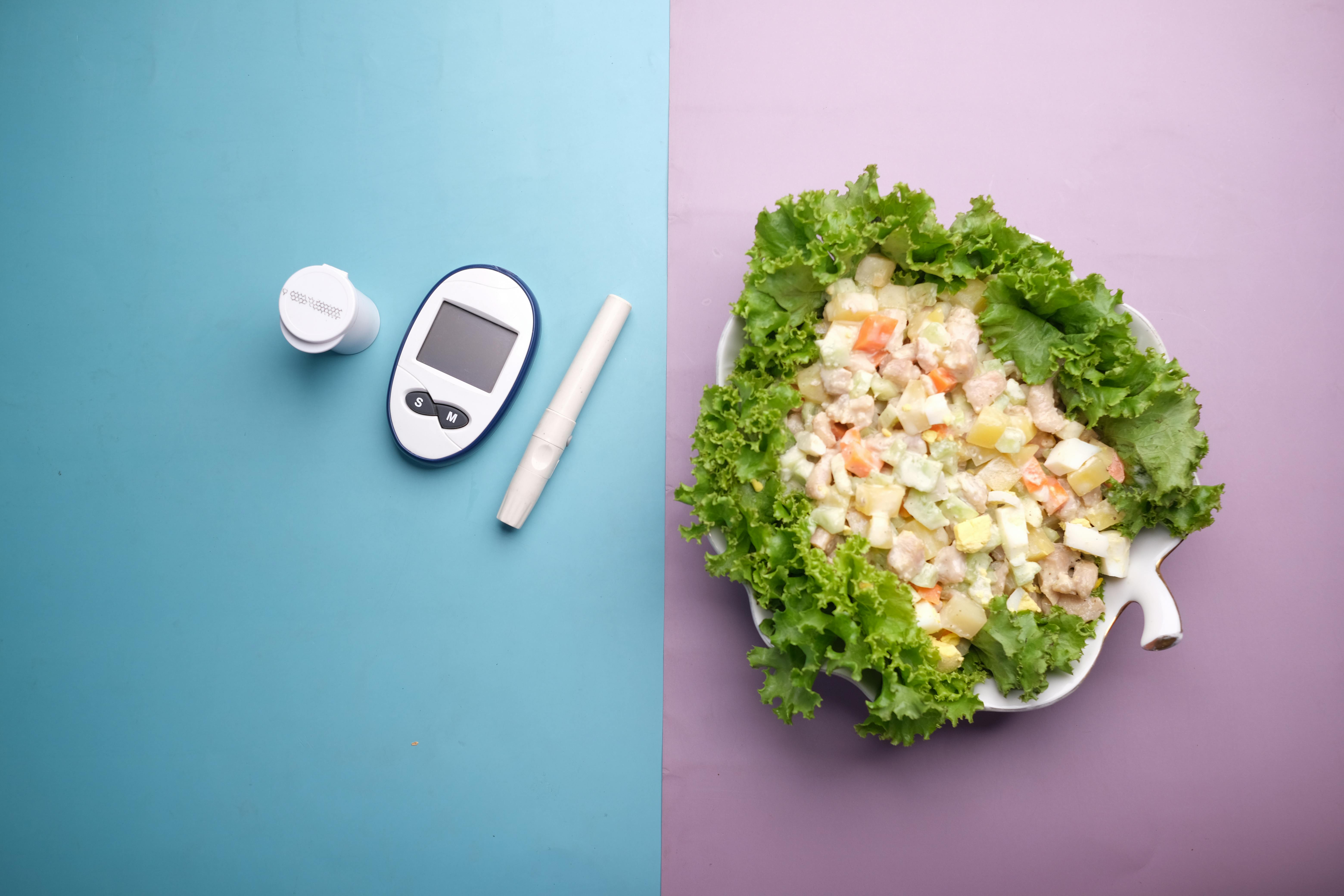
3. Eat Healthy Fats Without Overdoing Calories
Healthy fats support heart health and may improve satiety, making it easier to maintain a healthy weight.
- Avocados
- Almonds
- Walnuts
- Chia seeds
- Flaxseeds
- Olive oil
Remember that healthy fats are calorie-dense, so portion control still matters.
4. Choose Smart Carbohydrates
You don't need to eliminate carbohydrates completely. Instead, focus on foods that digest slowly and contain plenty of fiber.
- Oats
- Brown rice
- Quinoa
- Sweet potatoes
- Whole-grain bread
- Beans and legumes
Replacing refined carbohydrates with whole-food alternatives is one of the simplest ways to improve blood sugar control naturally.
Top 10 Foods That May Help Improve Insulin Sensitivity
While no food can cure prediabetes, these nutrient-rich choices may support healthier glucose metabolism when included as part of an overall balanced eating plan.
- Leafy greens – High in magnesium and fiber.
- Blueberries – Rich in antioxidants and lower in sugar than many fruits.
- Greek yogurt – Excellent source of protein.
- Salmon – Provides heart-healthy omega-3 fats.
- Beans – High in both protein and fiber.
- Oats – Help slow glucose absorption.
- Chia seeds – Excellent source of soluble fiber.
- Broccoli – Low in carbohydrates and nutrient dense.
- Walnuts – Healthy fats that support fullness.
- Cinnamon – May support healthy blood sugar in some people, but it should never replace medical treatment.
Instead of focusing on one "superfood," build every meal around vegetables, lean protein, healthy fats, and high-fiber carbohydrates. Consistency matters far more than any single ingredient.
Foods to Avoid If You're Trying to Reverse Prediabetes
Knowing what to avoid is just as important as choosing healthy foods. Many processed foods cause rapid blood sugar spikes, increase insulin resistance, and make it harder to reverse prediabetes naturally. The goal isn't perfection—it's making smarter choices most of the time.

1. Sugar-Sweetened Drinks
Soft drinks, energy drinks, sweetened iced tea, flavored coffee beverages, and packaged fruit juices contain large amounts of added sugar with very little nutritional value. Water, sparkling water, or unsweetened tea are much better alternatives.
2. Refined Carbohydrates
White bread, white rice, pastries, cookies, cakes, and sugary breakfast cereals are quickly digested and often lead to sharp increases in blood glucose.
3. Highly Processed Snacks
Chips, crackers, candy, and packaged snack foods are usually high in refined starches, unhealthy fats, and sodium while providing very little fiber.
4. Fast Food
Many fast-food meals are high in calories, refined carbohydrates, saturated fat, and sodium. Preparing meals at home allows you to control both ingredients and portion sizes.
If you often feel hungry between meals, choosing one of our How to Reduce Blood Sugar Spikes After Meals Naturally | Fitglucosehub is usually a much better option than processed snacks.
7-Day Prediabetes Meal Plan
The following meal plan is designed to provide balanced nutrition, steady energy, and better blood sugar management. Adjust portion sizes based on your individual calorie needs and your healthcare provider's recommendations.
Day 1
- Breakfast: Greek yogurt with chia seeds and fresh berries
- Lunch: Grilled chicken salad with olive oil dressing
- Snack: A handful of almonds
- Dinner: Baked salmon, steamed broccoli, and quinoa
Day 2
- Breakfast: Vegetable omelet with whole-grain toast
- Lunch: Lentil soup with mixed salad
- Snack: Apple slices with natural peanut butter
- Dinner: Grilled tofu with roasted vegetables
Day 3
- Breakfast: Overnight oats with flaxseeds
- Lunch: Turkey lettuce wraps with cucumber salad
- Snack: Cottage cheese with cucumber
- Dinner: Grilled fish with green beans and brown rice
Day 4
- Breakfast: Smoothie made with unsweetened Greek yogurt, spinach, and berries
- Lunch: Chickpea salad with mixed vegetables
- Snack: Walnuts
- Dinner: Chicken stir-fry with broccoli and cauliflower rice
Day 5
- Breakfast: Boiled eggs with avocado
- Lunch: Grilled chicken with quinoa salad
- Snack: Plain yogurt with cinnamon
- Dinner: Baked cod with roasted vegetables
Day 6
- Breakfast: Oatmeal topped with walnuts and blueberries
- Lunch: Bean salad with olive oil dressing
- Snack: Carrot sticks with hummus
- Dinner: Turkey meatballs with zucchini noodles
Day 7
- Breakfast: Cottage cheese with mixed berries
- Lunch: Grilled salmon with spinach salad
- Snack: Mixed nuts (small portion)
- Dinner: Vegetable soup with grilled chicken breast
Healthy Grocery Shopping Tips
One of the easiest ways to stay on track is to shop with a plan. Fill your cart with whole foods first, then add healthy pantry staples.
- Fresh vegetables and leafy greens
- Fresh fruit in moderate portions
- Eggs
- Fish and lean poultry
- Beans and lentils
- Plain Greek yogurt
- Oats and quinoa
- Brown rice
- Nuts and seeds
- Extra virgin olive oil
Planning your meals before shopping reduces impulse purchases and makes it much easier to stick with your 90-day prediabetes reversal plan. If your goal also includes healthy weight management, combining this eating pattern with your weight-loss meal guide can further improve insulin sensitivity while supporting gradual fat loss.
Spend most of your grocery budget on foods that don't need a nutrition label—fresh vegetables, fruits, lean proteins, legumes, and whole grains. These foods naturally support healthier blood sugar and overall metabolic health.
Best Exercise Plan to Reverse Prediabetes
Regular physical activity is one of the most effective ways to improve insulin sensitivity. Exercise helps your muscles use glucose for energy, reducing the amount of sugar circulating in your bloodstream. Combined with a healthy diet, it can significantly increase your chances of reversing prediabetes naturally.

Weekly Exercise Goal
- ✔ At least 150 minutes of moderate-intensity exercise every week.
- ✔ Strength training 2–3 days per week.
- ✔ Walk for 10–15 minutes after meals whenever possible.
- ✔ Stretch for 5–10 minutes daily to improve flexibility.
If you're new to exercise, start slowly. Even a 15-minute walk each day is better than doing nothing. As your fitness improves, gradually increase your activity level.
Many people also notice better glucose control by following a How to Lower Blood Sugar Naturally at Home (Complete Diabetes Support Guide 2026), especially after lunch or dinner.
Can Weight Loss Help Reverse Prediabetes?
Yes. For many people, losing just 5–10% of their current body weight can significantly improve insulin sensitivity and reduce the risk of progressing to type 2 diabetes.
For example:
- If you weigh 80 kg (176 lb), losing 4–8 kg may provide meaningful health benefits.
- If you weigh 100 kg (220 lb), losing 5–10 kg can improve blood sugar control and overall metabolic health.
The goal isn't rapid weight loss. Slow, steady progress is more sustainable and usually leads to better long-term results.

If you're struggling to lose weight, you may also benefit from reading our healthy weight-loss strategies for insulin resistance, where you'll find practical tips for building habits that last.
Should You Monitor Your Blood Sugar?
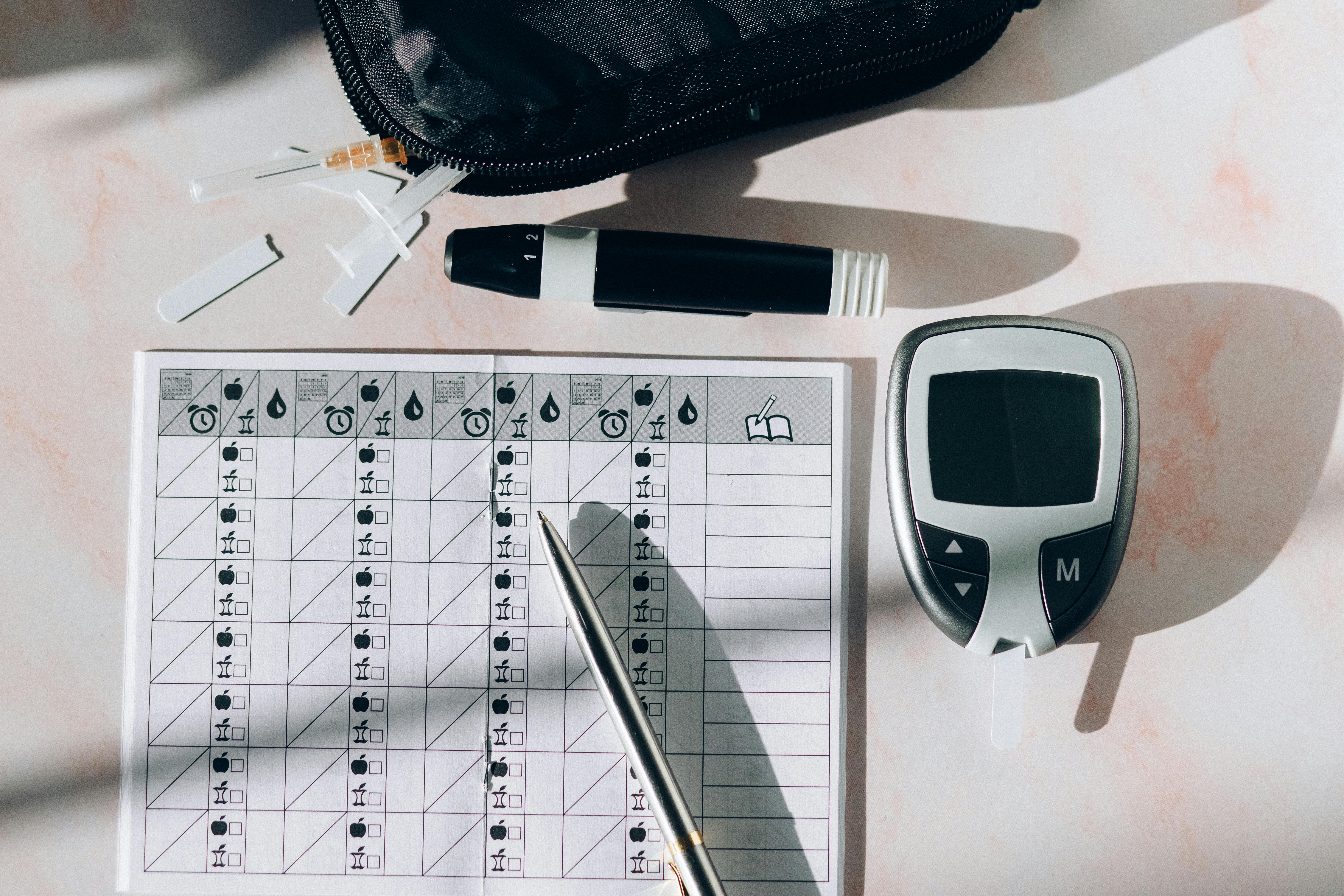
Monitoring your blood sugar can help you understand how your body responds to different foods, exercise, sleep, and stress. Some people check their fasting blood sugar a few times per week, while others may use a continuous glucose monitor (CGM) if recommended by their healthcare provider.
Tracking your progress also keeps you motivated because you'll be able to see how healthy lifestyle changes affect your numbers over time.
Track These Healthy Habits
- Fasting blood sugar (if advised by your doctor)
- Body weight
- Waist circumference
- Daily step count
- Exercise sessions completed
- Hours of sleep
- Water intake
Simple Lifestyle Habits That Make a Big Difference
Many people focus only on food, but several other daily habits also influence blood sugar.
- Sleep 7–9 hours every night.
- Manage stress through meditation, deep breathing, or yoga.
- Drink enough water throughout the day.
- Avoid smoking.
- Limit alcohol intake if you drink.
- Stay active instead of sitting for long periods.
Even your evening routine matters. A balanced dinner, regular sleep schedule, and choosing blood sugar-friendly bedtime snacks when needed may help improve fasting glucose the next morning.
When Should You Talk to Your Doctor?
Healthy lifestyle changes are extremely important, but they don't replace professional medical care. Speak with your healthcare provider if:
- Your fasting blood sugar continues to rise.
- Your A1C remains in the diabetic range.
- You experience unusual thirst, frequent urination, or unexplained weight loss.
- You're unsure whether medication is appropriate for your situation.
Regular check-ups allow you to monitor your progress and adjust your treatment plan if necessary.
The people who achieve the best results aren't those who follow a perfect diet for one week—they're the ones who consistently make healthier choices for months. Small daily improvements often lead to lasting blood sugar control.
What's Next?
Now that you understand how nutrition, exercise, weight management, and healthy habits work together, it's time to answer the most common questions people have about reversing prediabetes in 3 months. In the final section, we'll cover expert-backed FAQs, common myths, a practical conclusion, and the next steps you can take to protect your long-term health.
Frequently Asked Questions About Reversing Prediabetes
Below are some of the most common questions people ask after being diagnosed with prediabetes. These answers are based on current medical evidence and healthy lifestyle recommendations.
1. Can prediabetes really be reversed?
Yes. Many people successfully return their blood sugar to a normal range through healthy eating, regular exercise, gradual weight loss, quality sleep, and consistent lifestyle improvements. However, maintaining those healthy habits is important because blood sugar can rise again if old habits return.
2. Can I reverse prediabetes in just 3 months?
Some people notice significant improvements within 90 days, especially if they lose weight, become physically active, and improve their diet. Others may need longer depending on age, insulin resistance, medical history, and overall health.
3. What is the fastest natural way to lower blood sugar?
The safest and most effective approach is combining regular physical activity, balanced meals, high-fiber foods, adequate hydration, stress management, and quality sleep. There is no single food or supplement that works overnight.
If you're looking for additional nutrition ideas, our guide on foods that naturally support healthy blood sugar can help you make smarter daily choices.
4. Which foods should I eat every day?
Focus on vegetables, lean proteins, beans, healthy fats, whole grains, nuts, seeds, and moderate portions of fruit. These foods provide fiber and nutrients that support healthier blood sugar levels.
5. Should I completely stop eating carbohydrates?
No. Your body needs carbohydrates for energy. Instead of eliminating them, choose high-fiber carbohydrates such as oats, quinoa, beans, lentils, and whole grains while reducing refined carbohydrates and added sugars.
6. Does walking help reverse prediabetes?
Yes. Walking after meals helps muscles use glucose more efficiently and may reduce post-meal blood sugar spikes. Even a 15–20 minute walk after lunch or dinner can become part of a healthy daily routine.
7. How much weight should I lose?
Research suggests that losing approximately 5–10% of your current body weight may significantly improve insulin sensitivity and reduce the risk of developing type 2 diabetes.
8. Can stress increase blood sugar?
Yes. Chronic stress increases hormones such as cortisol, which can raise blood sugar and make insulin resistance worse. Managing stress is an important part of any prediabetes lifestyle plan.
9. Should I monitor my blood sugar at home?
Many people find home monitoring helpful because it shows how meals, exercise, and sleep affect glucose levels. Follow your healthcare provider's advice regarding how often you should test.
10. Can supplements reverse prediabetes?
No supplement can replace healthy eating, exercise, and weight management. Some supplements may support overall metabolic health, but they should only be considered as part of a complete lifestyle plan and after discussing them with your healthcare provider.
If you're interested in learning more, you can also explore our article discussing supplements that may support insulin sensitivity. Remember that supplements work best alongside—not instead of—healthy daily habits.
Common Myths vs Facts

| Myth | Fact |
|---|---|
| Prediabetes always becomes type 2 diabetes. | Many people improve their blood sugar through consistent lifestyle changes and reduce their risk significantly. |
| You must completely avoid carbohydrates. | Choosing high-fiber, minimally processed carbohydrates is usually a healthier approach than eliminating them entirely. |
| Only overweight people develop prediabetes. | Although excess weight increases risk, genetics, age, inactivity, sleep quality, and other factors also play important roles. |
| Supplements alone can reverse prediabetes. | Healthy nutrition, exercise, weight management, and medical guidance remain the foundation of successful blood sugar control. |
| Feeling healthy means your blood sugar is normal. | Prediabetes often causes no noticeable symptoms, making regular health check-ups and blood tests important. |
Reversing prediabetes naturally is not about finding a miracle cure. Success comes from consistently eating balanced meals, staying physically active, sleeping well, managing stress, and maintaining a healthy weight. Small daily improvements often lead to meaningful long-term results.
Final Thoughts: Can You Really Reverse Prediabetes in 3 Months?
Being diagnosed with prediabetes can feel overwhelming, but it can also be a powerful wake-up call. For many people, this stage provides an opportunity to improve their health before type 2 diabetes develops. While there is no guaranteed timeline, consistent lifestyle changes can significantly improve blood sugar control and, in some cases, return glucose levels to the normal range.
Instead of searching for a quick fix, focus on habits you can maintain for years. Eating balanced meals, staying physically active, sleeping well, managing stress, and maintaining a healthy weight work together to improve insulin sensitivity and support long-term metabolic health.

Remember that progress is rarely perfect. Some weeks your blood sugar may improve quickly, while other weeks may feel slower. What matters most is staying consistent and working closely with your healthcare provider to monitor your progress.
If you're building a healthier routine, you may also benefit from learning about Why Am I Not Losing Weight on a Calorie Deficit? 7 Hidden Reason and choosing balanced foods that improve insulin sensitivity as part of your everyday meal plan.
Key Takeaways
- ✔ Prediabetes does not always progress to type 2 diabetes.
- ✔ Many people improve their blood sugar through consistent lifestyle changes.
- ✔ Losing 5–10% of body weight may improve insulin sensitivity.
- ✔ A balanced diet and regular exercise remain the foundation of treatment.
- ✔ Better sleep and stress management also play an important role.
- ✔ Continue healthy habits even if your blood sugar returns to a normal range.
Your Next Step
Choose one healthy habit today—such as replacing sugary drinks with water, taking a 20-minute walk after dinner, or adding more vegetables to your meals. Small daily improvements are easier to maintain and often produce better long-term results than extreme diets.
At FitGlucoseHub, our goal is to provide practical, science-informed guidance to help you make sustainable lifestyle changes. Explore more evidence-based articles on nutrition, insulin resistance, healthy weight management, and blood sugar control to continue building habits that support your long-term health.
Medical Disclaimer
This article is intended for educational purposes only and should not be considered medical advice. Prediabetes management should always be individualized based on your medical history, current medications, and healthcare provider's recommendations. Never stop prescribed medication or begin a new supplement without consulting a qualified healthcare professional.


0 Comments