
10 Early Signs of High Blood Sugar You Should Never Ignore (2026 Guide)
High blood sugar often develops gradually, and many people overlook the early warning signs until symptoms become more serious. Recognizing these symptoms early can help you make lifestyle changes and seek medical advice before complications develop. Whether you have diabetes, prediabetes, or simply want to protect your long-term health, understanding these signs is essential.
In this complete guide from FitGlucoseHub, you'll learn about the most common early signs of high blood sugar, why they occur, who is at risk, and practical ways to support healthy blood sugar levels naturally.
If you've recently noticed higher morning glucose readings, you may also enjoy our guide on Why Is My Blood Sugar High After Fasting? Dawn Phenomenon Explained (2026), where we explain one of the most common causes of elevated fasting blood sugar.

Checking blood sugar regularly can help detect problems early.
Table of Contents
- What Is High Blood Sugar?
- Quick Overview of the Warning Signs
- 10 Early Signs of High Blood Sugar
- Who Is Most at Risk?
- Simple Ways to Support Healthy Blood Sugar
- Frequently Asked Questions
- Related Articles from FitGlucoseHub
- Conclusion
- Medical Disclaimer
Comprehension of Contents
If you don't have time to read the full article, here's a quick summary:
- High blood sugar often develops slowly with mild symptoms.
- Frequent urination, excessive thirst, constant fatigue, and blurred vision are among the earliest warning signs.
- Ignoring these symptoms may increase the risk of developing Type 2 diabetes and its complications.
- Healthy eating, regular exercise, quality sleep, and routine blood sugar monitoring can make a significant difference.
- Early action offers the best chance to improve overall metabolic health.
What Is High Blood Sugar?
High blood sugar, also called hyperglycemia, occurs when glucose builds up in your bloodstream because your body doesn't produce enough insulin or cannot use insulin effectively. This condition may occur in people with diabetes, prediabetes, insulin resistance, or sometimes after illness, stress, or certain medications.
Many people don't notice symptoms immediately because blood sugar levels often rise gradually. That's why recognizing the early signs of high blood sugar is so important.

Elevated glucose levels can affect many organs in the body.
1. Frequent Urination
One of the earliest and most common symptoms is needing to urinate more often than usual, especially during the night. When blood sugar becomes too high, the kidneys work harder to remove excess glucose through urine.
This process pulls additional water from your body, increasing urine production and contributing to dehydration.
2. Constant Thirst
Because your body loses more fluids through frequent urination, you may feel thirsty almost all the time. Drinking water helps temporarily, but the thirst often returns until blood sugar levels improve.
If you're experiencing increased thirst along with frequent urination, it's worth discussing these symptoms with a healthcare professional.
3. Feeling Tired All the Time
Persistent fatigue is another common high blood sugar warning sign. Even though glucose is present in the bloodstream, your cells may not be able to use it efficiently for energy. As a result, you may feel tired, weak, or less productive throughout the day.
Many readers of FitGlucoseHub also find our article Best Drinks That May Help Improve Insulin Sensitivity Naturally (2026) useful for learning about everyday beverage choices that can complement a healthy lifestyle.
4. Blurred Vision
High blood sugar can temporarily affect the fluid balance inside the eyes, leading to blurred vision. Although vision often improves when blood sugar returns to a healthier range, persistent vision changes should always be evaluated by an eye care professional.
5. Increased Hunger
Even after eating, you may continue feeling hungry because your body's cells aren't getting the energy they need. This can lead to overeating and make blood sugar management even more challenging.
Choosing meals rich in protein, healthy fats, and fiber may help improve satiety while supporting better glucose control.
6. Dry Mouth and Dry Skin
Another common early sign of high blood sugar is persistent dry mouth and dry skin. Frequent urination causes your body to lose fluids, leaving you dehydrated. As dehydration worsens, your skin may become itchy, rough, or less elastic.
Staying hydrated is important, but if dryness continues along with other symptoms, it's worth checking your blood glucose levels.
7. Slow-Healing Cuts and Wounds
If small cuts, scratches, or bruises seem to take much longer to heal, elevated blood sugar may be affecting your body's natural healing process. High glucose levels can reduce circulation and make it harder for your immune system to repair damaged tissue.
People with diabetes should pay close attention to foot care and skin injuries to reduce the risk of infection.
8. Frequent Infections
High blood sugar may weaken your immune response, making it easier for bacteria and fungi to grow. Repeated skin infections, urinary tract infections, or yeast infections can sometimes be one of the symptoms of high blood sugar in adults.
9. Tingling or Numbness in Hands and Feet
Persistently high blood sugar can gradually damage nerves, causing tingling, burning sensations, or numbness in the hands and feet. Early treatment and better glucose management may help reduce the risk of long-term nerve damage.

Numbness or tingling can be an early warning sign of nerve involvement.
10. Unexplained Weight Loss
Although many people associate diabetes with weight gain, unexplained weight loss can also occur. When your body cannot use glucose efficiently for energy, it may begin breaking down fat and muscle for fuel.
If you notice sudden weight loss without changes to your diet or activity level, consult a healthcare professional promptly.
Who Is Most at Risk?
| Risk Factor | Why It Matters |
|---|---|
| Family history of diabetes | Higher genetic risk of insulin resistance. |
| Overweight or obesity | Can reduce insulin sensitivity. |
| Physical inactivity | Less muscle activity means poorer glucose utilization. |
| Age over 45 | Risk increases with age. |
| Prediabetes | Blood sugar is already above the normal range. |
Simple Ways to Support Healthy Blood Sugar
- Eat more vegetables, whole grains, and lean protein.
- Reduce sugary drinks and highly processed foods.
- Walk for 20–30 minutes most days of the week.
- Drink enough water throughout the day.
- Sleep 7–9 hours each night.
- Manage stress through relaxation techniques.
- Monitor your blood sugar if recommended by your healthcare provider.
If you're looking for healthy food ideas, you may also enjoy our guides 10 Best Foods That May Help Reduce A1C Naturally (2026 Guide) and Best Foods to Eat After Dinner to Lower Blood Sugar Naturally, both available on FitGlucoseHub.
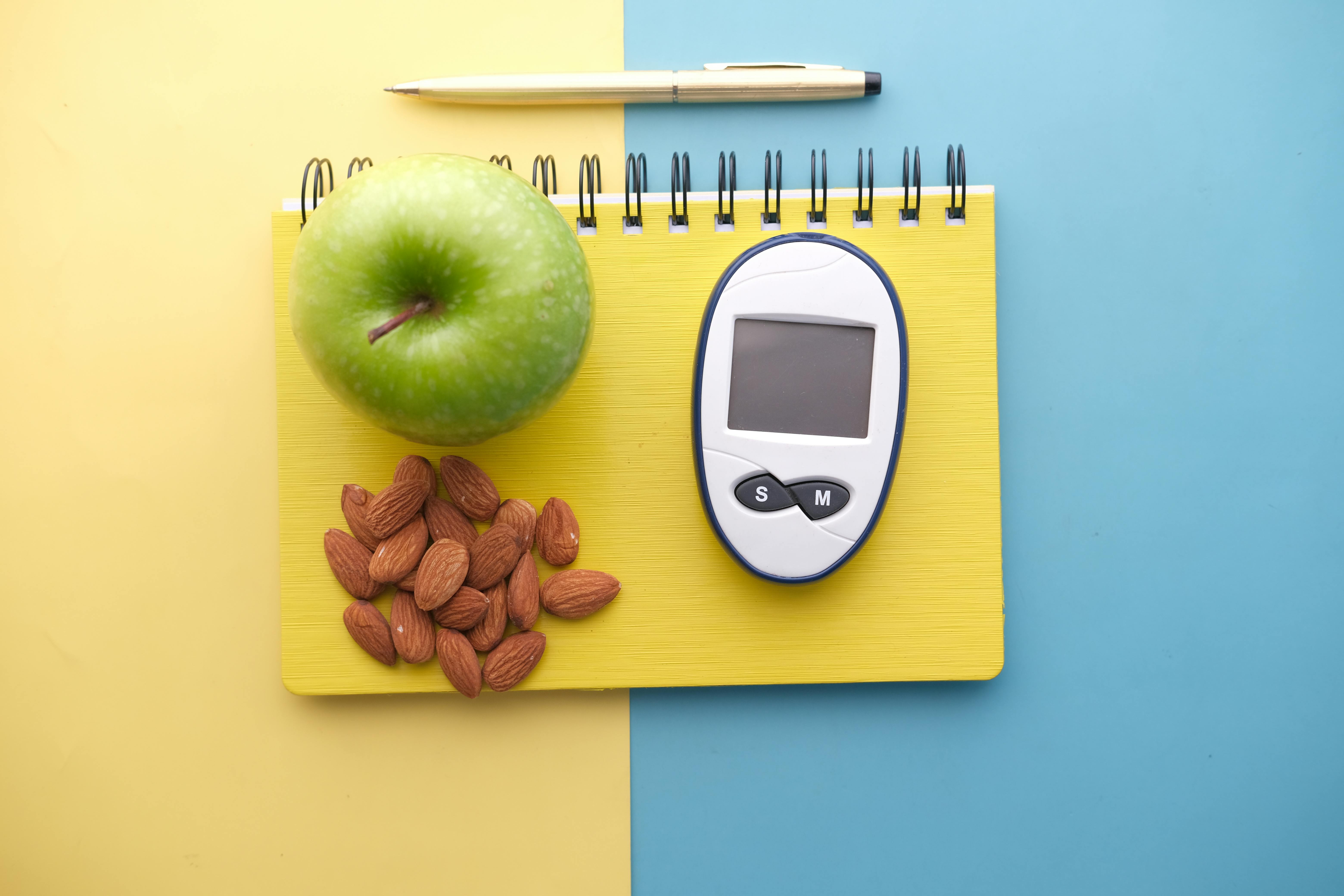
A balanced diet plays an important role in blood sugar management.
Continue Reading on FitGlucoseHub
Explore more evidence-based articles to help you improve your blood sugar and overall health.
- 🏠 Visit the FitGlucoseHub Homepage
- Why Is My Blood Sugar High After Fasting? Dawn Phenomenon Explained (2026)
- Can You Reverse Prediabetes in 3 Months? A Science-Based 90-Day Plan
- Best Drinks That May Help Improve Insulin Sensitivity Naturally (2026)
- 10 Best Foods That May Help Reduce A1C Naturally (2026 Guide)
- Best Foods to Eat After Dinner to Lower Blood Sugar Naturally
To learn more about improving Losing weight , check out our guide Why Am I Losing Weight So Slowly? 12 Hidden Reasons + How to Fix Them Naturally (2026) on FitGlucoseHub.
Recommended Resource
At FitGlucoseHub, we believe that healthy eating, regular physical activity, quality sleep, and routine medical care should always be the foundation of blood sugar management.
Some readers also choose to include a natural blood sugar support supplement as part of their wellness routine. If you'd like to learn more, you can explore our recommended option below.
Frequently Asked Questions
Can high blood sugar occur without diabetes?
Yes. Illness, stress, certain medications, insulin resistance, and prediabetes can all cause temporary or persistent high blood sugar.
What is the first symptom of high blood sugar?
Frequent urination and excessive thirst are among the earliest and most common warning signs.
Can drinking water lower blood sugar?
Drinking water supports hydration and helps your kidneys remove excess glucose through urine, but it is not a substitute for appropriate medical care or lifestyle changes.
When should I see a doctor?
If you experience persistent symptoms such as excessive thirst, frequent urination, unexplained weight loss, blurred vision, or consistently elevated blood sugar readings, seek medical advice promptly.
Can healthy eating reduce the risk of Type 2 diabetes?
Yes. A balanced diet, regular exercise, weight management, and routine health check-ups can significantly reduce the risk for many people.
Final Thoughts
Recognizing the early signs of high blood sugar gives you an opportunity to take action before more serious health problems develop. Small lifestyle improvements—such as choosing healthier foods, staying active, sleeping well, and monitoring your health—can make a meaningful difference over time.
At FitGlucoseHub, our goal is to provide practical, evidence-based health information to help you make informed decisions and build healthier daily habits.
Medical Disclaimer
This article is intended for educational purposes only and should not be considered medical advice. Always consult a qualified healthcare professional before making changes to your diet, exercise routine, medications, or diabetes management plan. Never ignore professional medical advice because of information you read online.


0 Comments