
High-Fiber Diet Plan for Weight Loss: 7-Day Meal Guide for Beginners
Trying to lose weight does not always mean eating less and feeling hungry all day. A better approach is to build meals around foods that provide nutrition and help you feel satisfied. Fiber-rich foods can be especially useful because they add volume to meals and are found in many nutrient-dense foods.
This high-fiber diet plan for weight loss provides a simple seven-day framework for beginners. It focuses on vegetables, fruits, legumes, whole grains, nuts, seeds, and balanced protein sources rather than extreme restriction.
The goal is not to follow a perfect diet. Instead, this plan can help you create more consistent meals while making it easier to include fiber throughout the day.

Table of Contents
- Why Fiber Matters for Weight Loss
- How Much Fiber Do You Need?
- How to Build a High-Fiber Meal
- Day 1 Meal Plan
- Day 2 Meal Plan
- Day 3 Meal Plan
- Day 4 Meal Plan
- High-Fiber Snack Ideas
- Related Reading From FitGlucoseHub
Why Fiber Matters for Weight Loss
Dietary fiber is a type of carbohydrate that the body does not fully digest. It is naturally present in foods such as vegetables, fruits, beans, lentils, whole grains, nuts, and seeds.
One reason fiber can be useful during weight management is that fiber-rich foods can contribute to fullness. Many high-fiber foods also contain water and have relatively low energy density, allowing you to build satisfying meals without relying heavily on highly processed foods.
For example, a meal containing vegetables, lentils, and a moderate portion of whole grains can provide more fiber and food volume than a meal based mainly on refined grains.
However, fiber is not a magic ingredient for fat loss. Weight management depends on your overall calorie intake, activity, sleep, eating habits, and other individual factors.
How Much Fiber Do You Need?
Fiber needs vary from person to person. General dietary guidance often recommends getting around 25–30 grams of fiber per day for many adults, although individual needs can differ.
If your current diet is low in fiber, do not suddenly increase your intake dramatically. A rapid increase can cause bloating, gas, or digestive discomfort.
Instead, gradually add foods such as vegetables, beans, lentils, berries, oats, whole grains, nuts, and seeds while drinking enough fluids.
How to Build a High-Fiber Meal
A simple meal structure can make a fiber rich diet for beginners easier to follow.
| Meal Component | Examples |
|---|---|
| Protein | Eggs, chicken, fish, Greek yogurt, tofu, beans or lentils |
| Vegetables | Broccoli, spinach, carrots, cucumber, peppers, cauliflower |
| High-Fiber Carbohydrate | Oats, beans, lentils, quinoa, brown rice, whole grains |
| Healthy Fat | Nuts, seeds, avocado or olive oil |
| Fruit | Berries, apple, pear, orange or other whole fruit |
You do not need every category at every meal. The idea is to create a balanced eating pattern across the entire day.
Day 1: Start With Oats and Vegetables
Breakfast
Oatmeal with berries and chia seeds
- ½–1 cup cooked oats
- A small serving of berries
- 1 teaspoon chia seeds
- Unsweetened milk or an unsweetened dairy alternative
- Cinnamon for flavor
Oats provide soluble fiber, while berries and chia seeds add additional fiber and nutrients.
Lunch
Lentil and vegetable bowl
- Cooked lentils
- Mixed leafy greens
- Cucumber and tomatoes
- Small portion of brown rice or another whole grain
- Lemon and herbs for flavor
Snack
Choose one small whole fruit with a small portion of nuts.
Dinner
Grilled chicken with roasted vegetables
- Grilled chicken breast
- Broccoli, cauliflower, peppers, or zucchini
- Small serving of quinoa or another whole grain
- Simple herbs and spices

Day 2: Add More Legumes and Whole Foods
Breakfast
Egg and vegetable breakfast
- 2 eggs, prepared to your preference
- Spinach, tomatoes, mushrooms, or peppers
- One small slice of whole-grain toast
- Optional small serving of avocado
This breakfast combines protein with vegetables and a higher-fiber carbohydrate source.
Lunch
Chickpea salad bowl
- Cooked chickpeas
- Mixed greens
- Cucumber
- Tomatoes
- Bell peppers
- Lemon-based dressing
Chickpeas provide both protein and fiber, making them a useful ingredient for a high fiber diet plan for weight loss.
Snack
Plain Greek yogurt with a small serving of berries and ground flaxseed.
Dinner
Baked fish with vegetables and a small whole-grain serving
- Baked fish
- Steamed or roasted vegetables
- Small serving of brown rice, quinoa, or another whole grain
- Fresh herbs and lemon

Day 3: Focus on Vegetables and Beans
Breakfast
Greek yogurt and fruit bowl
- Plain Greek yogurt
- Berries or a small chopped apple
- Chia or ground flaxseed
- A few chopped walnuts
Choose plain yogurt when possible and check the nutrition label of flavored products for added sugars.
Lunch
Bean and vegetable wrap
- Black beans or another bean variety
- Whole-grain wrap
- Lettuce
- Tomatoes
- Cucumber
- Peppers
Keep creamy sauces and oversized portions moderate. A simple homemade dressing can provide plenty of flavor without making the meal unnecessarily heavy.
Snack
Carrot and cucumber sticks with a small serving of hummus.
Dinner
Tofu and vegetable stir-fry
- Firm tofu
- Broccoli
- Bell peppers
- Mushrooms
- Leafy greens
- Small serving of brown rice
Use herbs, spices, garlic, ginger, or a modest amount of low-sodium sauce to add flavor.
Day 4: Combine Protein With Fiber
Breakfast
Vegetable omelet with whole-grain toast
- Eggs
- Spinach
- Mushrooms
- Tomatoes or peppers
- One small slice of whole-grain toast
Lunch
Chicken and high-fiber salad bowl
- Grilled chicken
- Mixed leafy greens
- Broccoli
- Cucumber
- Tomatoes
- Small portion of chickpeas
- Lemon and olive oil dressing
Snack
A small apple or pear with a modest portion of nuts.
Dinner
Lentil and vegetable soup
- Lentils
- Carrots
- Celery
- Tomatoes
- Spinach or other leafy greens
- Herbs and spices
Serve the soup with a small portion of whole-grain bread or another appropriate carbohydrate if desired.

High-Fiber Snack Ideas
Snacks are optional, but they can be useful when you genuinely feel hungry between meals. Instead of choosing highly processed snacks automatically, try combining fiber with protein or healthy fats.
- Apple with a small portion of nuts
- Plain Greek yogurt with berries
- Carrots and cucumber with hummus
- Chia pudding without added sugar
- Air-popped popcorn in a sensible portion
- Pear with a small amount of natural nut butter
Related Reading From FitGlucoseHub
If you are working on healthier eating and weight management, these related guides from FitGlucoseHub can complement this meal plan:
- Best High-Protein Breakfast Ideas
- High-Protein Breakfast Ideas for Weight Loss
- Best Morning Drinks for Weight Loss
- What to Eat When Blood Sugar Is High
- Sleep Lean Review 2026 – Natural Weight Loss Support Formula or Overhyped Supplement?
- GlucoTrust Review 2026: Does It Really Help Control Blood Sugar Naturally?
- Explore More Healthy Eating Guides on FitGlucoseHub
Day 5: Fiber From Fruit, Beans, and Whole Grains
Breakfast
Apple-cinnamon oatmeal with seeds
- ½–1 cup cooked oats
- ½ small apple, chopped
- 1 teaspoon chia or ground flaxseed
- Cinnamon
- Unsweetened milk or a suitable dairy alternative
The combination of oats, fruit, and seeds provides a convenient way to add fiber to your morning meal.
Lunch
Bean and vegetable bowl
- Black beans, kidney beans, or another bean variety
- Leafy greens
- Tomatoes
- Cucumber
- Bell peppers
- A small portion of brown rice or quinoa
Add lemon juice, herbs, garlic, or spices instead of relying on heavy dressings.
Snack
Plain Greek yogurt with a small serving of berries.
Dinner
Chicken and roasted vegetable plate
- Grilled or baked chicken
- Broccoli
- Cauliflower
- Zucchini or peppers
- Small serving of a whole grain or roasted sweet potato
This meal combines protein and fiber-rich foods while keeping the plate centered around vegetables.
Day 6: A Plant-Focused Day
Breakfast
Chia and yogurt bowl
- Plain Greek yogurt or unsweetened yogurt
- 1 teaspoon chia seeds
- Berries
- A few chopped walnuts
Keep sweeteners and high-sugar toppings limited if your goal is to keep the meal relatively low in added sugar.
Lunch
Lentil and vegetable salad
- Cooked lentils
- Spinach or mixed greens
- Cucumber
- Tomatoes
- Carrots
- Lemon and herb dressing
Lentils are particularly useful in a high fiber diet for beginners because they provide both fiber and plant protein.
Snack
One small pear with a modest portion of almonds or walnuts.
Dinner
Tofu, vegetable, and whole-grain bowl
- Baked or lightly cooked tofu
- Broccoli
- Mushrooms
- Peppers
- Leafy greens
- Small serving of brown rice or quinoa
Use herbs and spices for flavor and keep high-calorie sauces moderate.
Day 7: Finish the Week With Balanced Meals
Breakfast
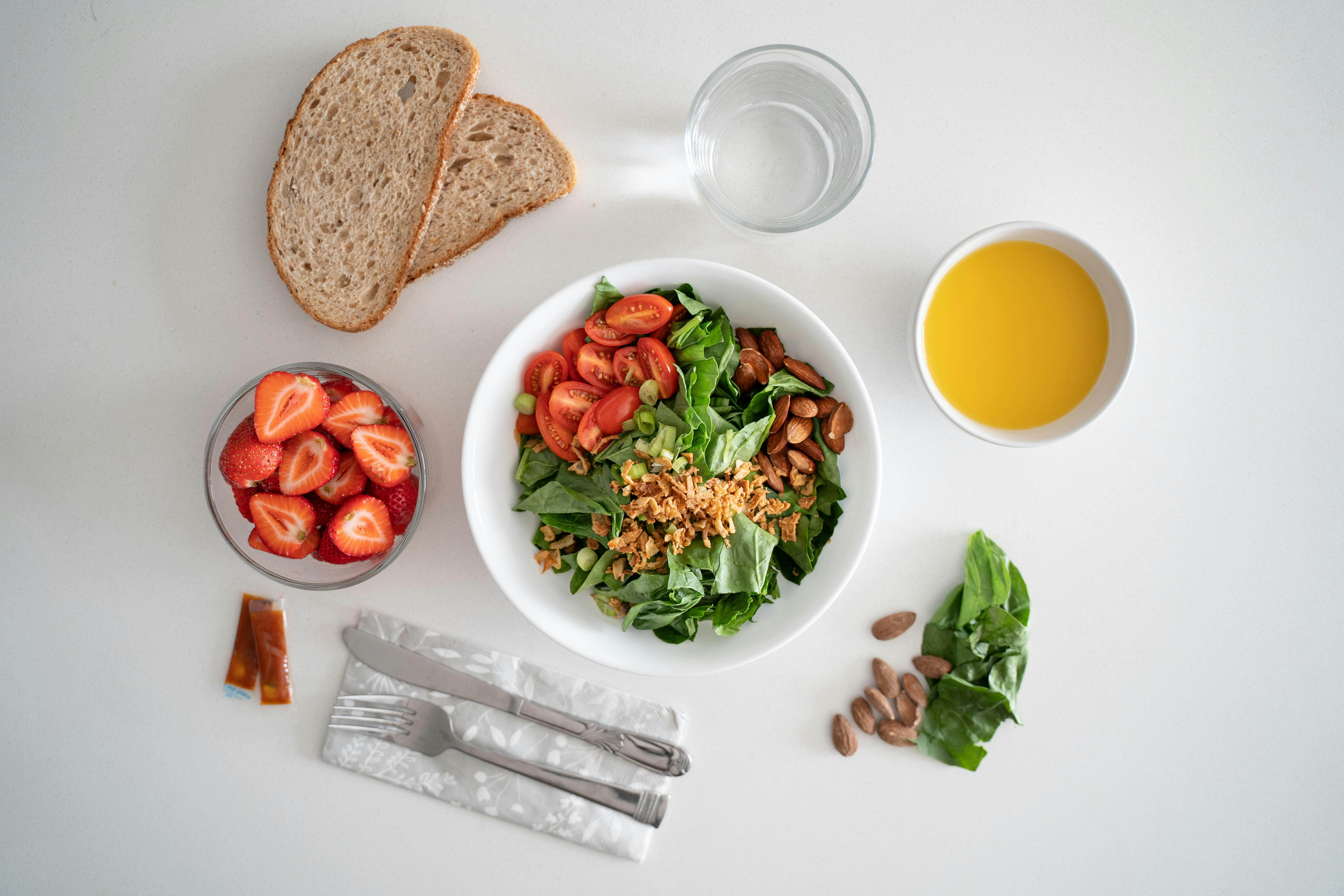
Egg and avocado vegetable bowl
- 2 eggs
- Spinach or mixed greens
- Tomatoes
- Cucumber
- A small serving of avocado
- Optional whole-grain toast
This breakfast combines protein, vegetables, and healthy fats in a simple meal.
Lunch
Chickpea and chicken salad
- Grilled chicken
- A small serving of chickpeas
- Mixed greens
- Cucumber
- Tomatoes
- Bell peppers
- Lemon-based dressing
If you prefer a vegetarian meal, replace the chicken with tofu or another suitable plant-based protein.
Snack
Choose a whole fruit with a small portion of nuts or seeds.
Dinner
Baked fish with vegetables and lentils
- Baked or grilled fish
- Steamed broccoli or green vegetables
- Cooked lentils
- Fresh herbs and lemon
Adjust the portions according to your hunger, nutritional needs, and overall calorie requirements.
7-Day High-Fiber Diet Plan at a Glance
| Day | Breakfast | Lunch | Dinner |
|---|---|---|---|
| Day 1 | Oatmeal with berries | Lentil vegetable bowl | Chicken with roasted vegetables |
| Day 2 | Eggs with vegetables | Chickpea salad | Baked fish with vegetables |
| Day 3 | Greek yogurt bowl | Bean vegetable wrap | Tofu vegetable stir-fry |
| Day 4 | Vegetable omelet | Chicken salad bowl | Lentil vegetable soup |
| Day 5 | Apple-cinnamon oatmeal | Bean vegetable bowl | Chicken with roasted vegetables |
| Day 6 | Chia yogurt bowl | Lentil salad | Tofu vegetable bowl |
| Day 7 | Egg and avocado bowl | Chickpea chicken salad | Fish with vegetables and lentils |
Simple High-Fiber Grocery List
Planning your groceries before starting the week can make a healthy meal plan much easier to follow.
Vegetables
- Broccoli
- Spinach and other leafy greens
- Carrots
- Cucumber
- Tomatoes
- Bell peppers
- Cauliflower
- Mushrooms
- Zucchini
Fruits
- Apples
- Pears
- Berries
- Oranges
- Other whole fruits you enjoy
Protein and Fiber-Rich Foods
- Eggs
- Greek yogurt
- Chicken
- Fish
- Tofu
- Lentils
- Chickpeas
- Beans
Whole Grains, Nuts, and Seeds
- Oats
- Brown rice
- Quinoa
- Whole-grain bread or wraps
- Chia seeds
- Ground flaxseed
- Almonds
- Walnuts
How to Increase Fiber Without Digestive Discomfort
If you are not accustomed to eating much fiber, gradually increasing your intake is usually more comfortable than making a sudden dramatic change.
Start by adding one additional serving of vegetables or fruit each day. You can then gradually introduce more beans, lentils, oats, whole grains, nuts, and seeds.
Drinking enough fluid is also important because fiber and fluids work together in normal digestion.
Pay attention to how your body responds. If a particular food causes significant digestive discomfort, reduce the amount and increase it more gradually.
Common Mistakes With a High-Fiber Diet
1. Increasing Fiber Too Quickly
A sudden increase can cause gas, bloating, or abdominal discomfort. Increase fiber gradually.
2. Forgetting Protein
A diet focused only on salads and fruit may not be satisfying enough. Include an appropriate protein source with meals.
3. Choosing Processed “High-Fiber” Foods Automatically
A package that says “high fiber” is not necessarily a better choice. Check the ingredient list, added sugars, sodium, calories, and overall nutritional profile.
4. Eating Large Portions of Healthy Foods
Nuts, seeds, avocado, whole grains, and other nutritious foods can still contribute substantial calories. Portion awareness remains important for weight management.
5. Drinking Too Little Water
When increasing fiber, adequate fluid intake can help support normal bowel function. Individual fluid needs vary depending on factors such as activity and climate.
Can a High-Fiber Diet Help With Weight Loss?
A fiber-rich eating pattern can support weight management because many high-fiber foods are filling and nutrient-dense. Replacing some highly refined or calorie-dense foods with vegetables, legumes, whole fruits, and whole grains can also improve the overall quality of the diet.
However, the result depends on the complete eating pattern. A high-fiber diet can still provide excess calories if portions are consistently too large or if high-calorie toppings and processed foods are added frequently.
Think of fiber as one useful part of a bigger strategy rather than a standalone weight-loss solution.
Optional Supplement Support
Most people should focus on getting fiber from whole foods whenever possible. Fiber supplements may be useful in certain situations, but they are not a replacement for a varied diet.
If you are considering a fiber or weight-management supplement, review the ingredients, serving size, possible interactions, and product information carefully.
Disclosure: This is an affiliate link. FitGlucoseHub may receive a commission if you make a purchase through the link, at no additional cost to you.
Frequently Asked Questions
1. What foods are highest in fiber?
Beans, lentils, chickpeas, vegetables, whole fruits, oats, whole grains, nuts, and seeds are among the foods that can contribute significant amounts of dietary fiber.
2. Is a high-fiber diet good for weight loss?
A high-fiber eating pattern can support weight management by helping create filling, nutrient-dense meals. However, overall calorie intake and dietary pattern still matter.
3. Can I follow this meal plan every week?
You can use the structure as a starting point, but repeating the exact same meals indefinitely is not necessary. Rotating different vegetables, fruits, legumes, whole grains, and protein sources can provide greater variety.
4. How quickly should I increase fiber?
If your current intake is low, increase fiber gradually over several days or weeks rather than making a sudden large change. This may help reduce digestive discomfort.
5. Are fruits allowed on a weight-loss diet?
Yes. Whole fruits can fit into a weight-loss eating pattern. They provide fiber and other nutrients. Portion size and your overall diet still matter.
6. Can I eat rice while following a high-fiber diet?
Yes. You do not necessarily need to eliminate rice. Choosing a higher-fiber variety and keeping the portion appropriate while adding vegetables and protein can create a more balanced meal.
7. Is this diet plan suitable for everyone?
No single meal plan is suitable for everyone. People with specific medical conditions, food allergies, digestive disorders, pregnancy, kidney disease, diabetes, or other dietary requirements may need an individualized plan from a qualified healthcare professional.
Related Reading From FitGlucoseHub
For more practical nutrition and weight-management ideas, explore these related FitGlucoseHub guides:
- Best High-Protein Breakfast Ideas
- High-Protein Breakfast Ideas for Weight Loss
- Best Morning Drinks for Weight Loss
- 7 High-Protein Foods for Weight Loss That Keep You Full Longer
- What to Eat Before Bed With Diabetes: 15 Smart Bedtime Foods
- Best Weight Loss at home without gym 2026
- More Healthy Diet and Weight-Loss Guides From FitGlucoseHub
Final Thoughts
A high-fiber diet does not need to be complicated. By including vegetables, whole fruits, legumes, whole grains, nuts, and seeds throughout the week, you can create meals that are nutritious, varied, and satisfying.
This seven-day plan is best viewed as a flexible framework rather than a strict prescription. Adjust portions and food choices according to your personal needs, preferences, activity level, and nutritional requirements.
For sustainable weight management, focus on habits you can maintain over time rather than extreme short-term restrictions.
Keep following FitGlucoseHub for practical guides covering healthy eating, weight management, diabetes-friendly nutrition, and simple meal planning.
Medical Disclaimer
This article is for general educational and informational purposes only. It is not medical advice, diagnosis, or treatment. Individual calorie, fiber, protein, and fluid needs can vary. If you have diabetes, kidney disease, digestive problems, food allergies, are pregnant, take medications, or have another medical condition, consult a qualified healthcare professional or registered dietitian before making significant changes to your diet.


0 Comments