
Finding healthy snacks when you have type 2 diabetes does not have to be difficult. Whether you need something quick between meetings, a convenient option for your workday, or a satisfying evening snack, there are plenty of choices that can fit into a balanced eating plan.
Many people search for low-carb snacks for people with type 2 diabetes because they want to manage their carbohydrate intake without feeling hungry all day. The good news is that snacks made with foods such as eggs, nuts, cheese, vegetables, and plain yogurt can provide protein, fiber, and other important nutrients.
However, low-carb does not automatically mean healthy, and you do not necessarily need to avoid carbohydrates completely. Your ideal snack depends on your nutritional needs, medication, activity level, food preferences, and individual blood glucose goals.
In this FitGlucoseHub guide, you will discover practical snack ideas, simple portion tips, ways to compare packaged foods, and common mistakes to avoid when choosing snacks for type 2 diabetes.
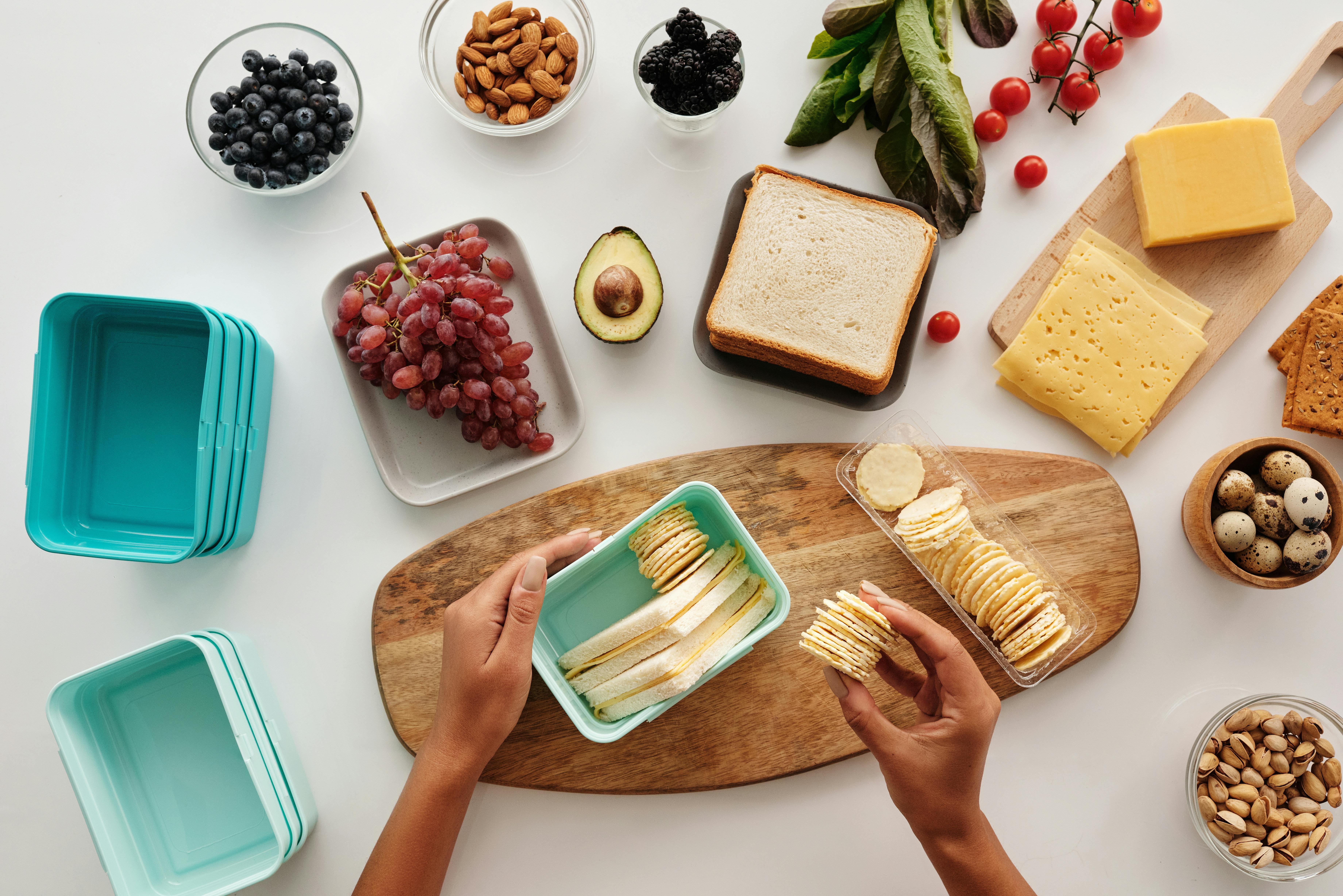
Table of Contents
- What Does Low-Carb Mean for Diabetes?
- How to Choose a Balanced Snack
- Easy Low-Carb Snack Ideas
- Understanding Snack Portions
- How to Read Snack Nutrition Labels
- Related Reading on FitGlucoseHub
- Helpful Resources and Optional Products
- Medical Disclaimer
What Does Low-Carb Mean for People With Type 2 Diabetes?
Carbohydrates are found in foods such as bread, rice, potatoes, fruit, milk, beans, cereal, and sweets. During digestion, many carbohydrates are broken down into glucose, which enters the bloodstream.
For someone with type 2 diabetes, the amount and type of carbohydrate eaten can influence blood glucose levels. Planning suitable portions and choosing nutrient-rich foods may help support an individualized diabetes management plan.
There is no single carbohydrate target that is right for everyone. Some people follow a lower-carbohydrate eating pattern under professional guidance, while others include a wider variety of carbohydrate-containing foods.
A useful snack may combine protein, fiber, and unsaturated fats while keeping the carbohydrate portion appropriate for your needs.
For example, cucumber slices with hummus, a hard-boiled egg, or plain Greek yogurt may be practical options. These foods have different nutritional profiles, so check portions and labels when necessary.
Remember that low-carb snacks are not a replacement for diabetes medication, and choosing them does not guarantee that blood glucose will remain within a particular range.
How to Choose a Balanced Snack
Before choosing a snack, think about hunger, convenience, nutrition, and your personal diabetes care plan. A snack should help meet your needs rather than simply satisfy a craving for something sweet or salty.
1. Include a Source of Protein
Protein can help make a snack more satisfying. Convenient options include eggs, plain Greek yogurt, cheese, tofu, and appropriately portioned nuts or seeds.
Protein content varies between foods, so compare nutrition labels if you are looking for a higher-protein option.
2. Add Fiber-Rich Vegetables When Practical
Non-starchy vegetables such as cucumbers, bell peppers, celery, and broccoli provide fiber and other nutrients. They can add crunch and variety without contributing as many carbohydrates as many refined snack foods.
Try pairing sliced vegetables with hummus, a suitable cheese portion, or another dip that fits your dietary needs.
3. Pay Attention to Portion Sizes
Even nutritious snacks can provide substantial calories, carbohydrates, sodium, or saturated fat in large amounts. Nuts, cheese, and dips can be useful foods, but portion sizes still matter.
Instead of eating directly from a large package, consider putting a suitable portion into a small bowl or container.
4. Check Added Sugars and Total Carbohydrates
Some snack bars, flavored yogurts, protein drinks, and packaged snacks contain more added sugar or carbohydrates than expected.
Look beyond marketing terms such as "keto," "natural," or "diabetic-friendly." Read the Nutrition Facts label to understand the actual serving size, total carbohydrates, added sugars, sodium, and other nutrients.
5. Choose Snacks That Fit Your Lifestyle
The best snack is one you can realistically prepare, store, and enjoy. Hard-boiled eggs may work well at home, while unsalted nuts or a suitable packaged snack may be easier to carry during a commute.
If you have kidney disease, food allergies, high blood pressure, or another medical condition, some snack choices may need to be adjusted with guidance from your healthcare professional or registered dietitian.

Easy Low-Carb Snack Ideas for People With Type 2 Diabetes
Here are practical options using foods commonly available in American grocery stores. Choose the ones that fit your taste, budget, and personal nutrition plan.
1. Hard-Boiled Eggs
Hard-boiled eggs are easy to prepare in advance and can be carried in an insulated lunch bag with an ice pack. They provide protein and contain very little carbohydrate.
For extra flavor, try black pepper, paprika, or a small amount of seasoning. You can also pair an egg with cucumber slices or cherry tomatoes.
Simple tip: Prepare several eggs ahead of time and refrigerate them promptly. Follow food safety guidance and avoid leaving perishable foods at room temperature for extended periods.
2. Plain Greek Yogurt
Plain Greek yogurt provides protein and can be a convenient snack at home or work. Some varieties contain more carbohydrates than others, so check the label and choose a portion that fits your needs.
For variety, add a small serving of berries, cinnamon, or a few nuts. Remember that berries and other toppings contribute carbohydrates, even when they provide useful nutrients.
Choose unsweetened yogurt when you want to avoid the added sugars often found in flavored varieties. If you avoid dairy, an unsweetened alternative may work, although protein content can vary considerably.
3. Almonds or Walnuts
Almonds and walnuts contain unsaturated fats, fiber, and some protein. They are convenient options for a desk drawer, travel bag, or quick snack at home.
Because nuts are energy-dense, measure an appropriate portion rather than eating directly from a large bag. Unsalted varieties may be preferable if you are watching your sodium intake.
If you have a nut allergy, avoid the relevant nuts and follow your healthcare professional's advice on suitable alternatives.
4. Cucumber and Bell Pepper Slices With Hummus
Raw vegetables provide crunch, water, and nutrients. Pairing them with a modest portion of hummus can add flavor, fiber, and some protein.
Hummus is made primarily from chickpeas and contains carbohydrates, so the portion still matters. Check packaged hummus labels for serving size and sodium content.
This combination can be especially useful when you want a savory snack instead of chips or crackers.

5. Cheese With Cherry Tomatoes
A suitable portion of cheese paired with cherry tomatoes can provide protein, calcium, and flavor. It is simple to prepare and does not require cooking.
Cheese can be high in sodium and saturated fat, depending on the variety. If these nutrients are a concern for you, compare labels and choose portions that fit your health needs.
Pack cheese in an insulated lunch bag with an ice pack when taking it to work or traveling.
6. Celery With Peanut Butter
Celery sticks with peanut butter combine a crunchy vegetable with a source of fat and some protein. Choose peanut butter with little or no added sugar when possible.
Peanut butter still contains calories and some carbohydrates, so use a suitable portion. If you have a peanut allergy, choose a safe alternative recommended for your needs.
7. Avocado With Lemon and Black Pepper
Avocado provides fiber and predominantly unsaturated fats. A small serving seasoned with lemon juice and black pepper can make a simple savory snack.
Avocado is nutritious, but it is energy-dense. Consider the portion that fits your appetite and overall meal plan.
You can eat it on its own or pair it with cucumber slices. If you add toast or crackers, remember to account for the extra carbohydrates.
8. Cottage Cheese With Cucumber
Cottage cheese provides protein and can be paired with cucumber, black pepper, or fresh herbs for a quick snack.
Carbohydrate and sodium content vary by brand. Check the Nutrition Facts label, particularly if you are managing sodium intake or following a specific nutrition plan.
If you have been advised to limit protein, potassium, phosphorus, or other nutrients because of kidney disease, ask your healthcare professional whether this snack is appropriate for you.
Understanding Snack Portions
Portion size is an important part of choosing snacks, even when a food is low in carbohydrates. A snack that works for one person may not meet another person's energy, nutritional, or medical needs.
Use the following table as a general comparison, not as a prescribed serving plan.
| Snack | Nutritional feature | What to consider |
|---|---|---|
| Hard-boiled egg | Protein; very little carbohydrate | Consider your overall protein needs. |
| Plain Greek yogurt | Protein; carbohydrates vary | Check serving size and added sugars. |
| Almonds or walnuts | Unsaturated fats, fiber, and some protein | Measure a suitable portion because nuts are energy-dense. |
| Cucumber with hummus | Vegetables, fiber, and some protein | Account for carbohydrates in the hummus. |
| Cheese with tomatoes | Protein and calcium | Check sodium and saturated fat content. |
| Celery with peanut butter | Crunch, fat, and some protein | Check the spread's serving size and added sugar. |
There is no need to snack at fixed times simply because you have diabetes. Whether you need snacks depends on your hunger, daily routine, treatment, activity, and individual care plan. If you use insulin or medication that can cause low blood sugar, ask your healthcare professional whether planned snacks are appropriate.

How to Read Snack Nutrition Labels
Packaged snacks can be convenient, especially when you are traveling, working long hours, or away from home. However, front-of-package claims do not tell you everything about a product's nutritional value.
When comparing packaged snacks, check these details:
- Serving size: Confirm whether the package contains one serving or several.
- Total carbohydrates: Consider the amount you actually plan to eat.
- Added sugars: Compare products and look for options with less added sugar when appropriate.
- Fiber: Fiber can support digestive health and is useful when comparing foods.
- Sodium: Some savory snacks, cheeses, and packaged foods contain substantial sodium.
- Protein and fats: Consider the overall nutrient profile rather than focusing on one number.
Products labeled "sugar-free" may still contain carbohydrates, and products labeled "keto" are not automatically suitable for everyone with diabetes.
For practical food-planning guidance, read the CDC's diabetes meal-planning guide. You can also discuss suitable snack portions with a registered dietitian who has experience in diabetes care.
Related Reading on FitGlucoseHub
Explore these related FitGlucoseHub guides for more information about food choices, glucose patterns, and healthy habits:
- Visit FitGlucoseHub for diabetes and healthy-living information.
- Learn about the early signs of high blood sugar.
- Understand why glucose may be high after fasting.
- Explore drink choices that may support healthy blood sugar habits.
- Read about a high-fiber diet plan for weight management.
Helpful Resources and Optional Products
If you want to make snack preparation easier, you may wish to explore reusable food containers, portion-control tools, or meal-planning resources that fit your routine and budget.
Explore a helpful nutrition resource: You can review a suitable meal-planning product or snack-preparation tool here. Check its features, price, and terms before deciding whether it is useful for you.
Affiliate disclosure: FitGlucoseHub may earn a commission from qualifying purchases made through affiliate links, at no additional cost to you. We encourage readers to compare options carefully. A product is optional and is not required for managing type 2 diabetes.
Medical Disclaimer
This article is for educational and informational purposes only. It does not provide individualized medical advice and is not intended to diagnose, treat, cure, or prevent any disease.
Food choices and carbohydrate needs vary between individuals. If you have diabetes, kidney disease, food allergies, or other medical conditions, consult your healthcare professional or registered dietitian about appropriate snack choices.
If you take insulin or medication that can cause low blood glucose, follow your prescribed plan for preventing and treating hypoglycemia. Do not use low-carbohydrate snacks as a substitute for the treatment of low blood sugar.
More Easy Low-Carb Snack Ideas
In addition to the snacks covered in Part 1, these options can add variety to your routine. Choose portions that fit your nutritional needs, and remember that carbohydrate content can vary by brand, preparation, and serving size.
9. Turkey and Cheese Roll-Ups
Roll a slice of turkey around a suitable portion of cheese for a convenient savory snack. You can add lettuce or spinach for extra texture.
When buying deli turkey, compare sodium levels and choose a product that fits your dietary needs. Refrigerate these roll-ups and keep them cold when taking them to work.
10. Tuna Cucumber Bites
Top cucumber rounds with a small portion of tuna mixed with plain Greek yogurt or a little mayonnaise. This combination provides protein and crunch without requiring bread or crackers.
Choose lower-sodium tuna when appropriate, and follow food safety recommendations for refrigeration. If you use canned tuna frequently, ask your healthcare professional about suitable fish choices and frequency, particularly if you have additional dietary restrictions.
11. Edamame
Edamame, or young soybeans, provide plant-based protein and fiber. A suitable portion can be a convenient snack at home or work.
Edamame contains carbohydrates, so it is not a carbohydrate-free food. Check the serving size and prepare it with modest amounts of salt if you are watching sodium intake.
12. Roasted Pumpkin Seeds
Pumpkin seeds provide fats, protein, and minerals. A small portion can be easy to pack for a busy day.
Choose unsalted or lightly salted seeds when possible. Because seeds are energy-dense, portioning them in advance may help you avoid eating more than you intended.
13. Olives With Cheese
A small serving of olives paired with cheese offers a savory alternative to chips or crackers. This snack is easy to assemble and contains relatively little carbohydrate in many common serving combinations.
Olives and cheese can both contain considerable sodium, so compare labels and adjust the portion if you have been advised to limit salt.
14. Lettuce-Wrapped Chicken Bites
Use leftover cooked chicken in crisp lettuce leaves for a simple snack. Add cucumber, herbs, or a small amount of plain yogurt dressing for flavor.
Cooked chicken should be refrigerated promptly and stored safely. If you are packing it for several hours away from home, use an insulated bag with an ice pack.
15. Sugar-Free Gelatin or a No-Added-Sugar Frozen Treat
When you want something sweet, sugar-free gelatin or a frozen treat with no added sugar may be an option. These products can differ in carbohydrate content and ingredients, so check the Nutrition Facts label.
These options may provide less nutrition than snacks made with whole foods, so use them for variety rather than assuming they are automatically the healthiest choice.
Best Snacks for Work, Travel, and Busy Days
Planning ahead can make it easier to find a suitable snack when you are away from home. The right option depends on whether you have access to a refrigerator, how long you will be traveling, and your personal nutrition plan.
Snacks for the Office
- A pre-portioned serving of unsalted nuts or pumpkin seeds.
- A shelf-stable snack selected after checking the nutrition label.
- Plain yogurt or cheese stored in a refrigerator.
- Pre-cut vegetables with a suitable dip kept cold.
Keep shelf-stable foods in a clean, dry place. Refrigerate perishable snacks rather than leaving them on your desk for an extended period.
Snacks for Road Trips and Air Travel
- Pre-portioned nuts or seeds.
- A suitable lower-sugar packaged snack bar.
- Roasted edamame or another packaged protein snack.
- Fresh vegetables or cheese packed safely in an insulated container.
When traveling, remember that airport and convenience-store foods can have very different serving sizes. Check the label before eating the entire package, and keep your diabetes supplies accessible.
Snacks for Busy Afternoons
If lunch and dinner are several hours apart, consider whether you are genuinely hungry and whether a snack fits your care plan. A boiled egg, a suitable portion of nuts, or vegetables with a dip may be convenient choices.
Snacking is not mandatory for everyone with type 2 diabetes. Your medication, activity, hunger, and glucose patterns help determine whether a snack is useful.
Packaged Snack Comparison: What Should You Look For?
Packaged snacks can be useful when preparing food is not practical. Rather than relying only on claims such as "keto," "low sugar," or "diabetes-friendly," compare the nutrition information and the portion you actually plan to eat.
| Packaged snack | What to check | Practical tip |
|---|---|---|
| Protein bar | Total carbohydrates, added sugars, protein, and serving size | Compare several products rather than choosing by protein content alone. |
| Mixed nuts | Portion size, sodium, added sugar, and coatings | Consider plain or unsalted varieties and pre-portion servings. |
| Pork rinds | Sodium, saturated fat, and serving size | Low carbohydrate content does not automatically make a snack nutritionally balanced. |
| Cheese snacks | Sodium, saturated fat, protein, and storage requirements | Choose a suitable portion and keep refrigerated products cold. |
| Vegetable chips | Total carbohydrates, sodium, fat, and ingredients | Do not assume vegetable-based chips have the same nutrition as fresh vegetables. |
| Sugar-free cookies | Total carbohydrates, calories, saturated fat, and sugar alcohols | Sugar-free does not necessarily mean low-carbohydrate or low-calorie. |
Nutrition labels are a practical starting point, but the most suitable snack depends on your overall diet and medical needs. A registered dietitian can help you compare products and identify appropriate portions.
Common Snacking Mistakes to Avoid
Assuming Every Low-Carb Product Is Healthy
A snack can be low in carbohydrates but still contain substantial sodium, saturated fat, or calories. Consider the full nutrition profile and how the product fits into your overall eating pattern.
Eating Directly From Large Packages
It is easy to lose track of portions when eating from a large bag. Placing a suitable serving in a small bowl or container can make portions easier to recognize.
Replacing Every Snack With a Protein Bar
Protein bars may be convenient, but they are not essential. Whole-food options such as eggs, vegetables, plain yogurt, nuts, and other suitable foods can provide variety.
Ignoring Low Blood Sugar Symptoms
Low-carbohydrate snacks are not the right treatment for hypoglycemia. If your blood glucose is below 70 mg/dL, or below the threshold specified in your care plan, follow your prescribed treatment instructions. The CDC commonly recommends the 15-15 rule for many people who are able to use it: consume 15 grams of fast-acting carbohydrate, wait 15 minutes, and recheck glucose. Repeat if it remains low, following your care plan.
People with severe symptoms, including confusion, seizures, or loss of consciousness, need emergency assistance. Do not give food or drink by mouth to someone who cannot swallow safely.
Read the CDC guidance on treating low blood sugar for further information.
Frequently Asked Questions
1. What are the easiest low-carb snacks for type 2 diabetes?
Convenient options may include hard-boiled eggs, cucumber slices, cheese, plain Greek yogurt, unsalted nuts, and celery with peanut butter. Portion sizes and individual nutritional needs still matter.
2. Are nuts good snacks for people with diabetes?
Nuts contain unsaturated fats, fiber, and some protein. They can fit into many balanced eating plans, but they are energy-dense. Choose an appropriate portion and consider unsalted varieties if you are watching sodium intake.
3. Can I eat popcorn if I have type 2 diabetes?
Yes, popcorn can fit into some diabetes meal plans. It contains carbohydrates, so consider the portion, preparation method, and toppings. Plain or lightly seasoned popcorn may be preferable to varieties with substantial added sugar or salt.
4. Are protein bars suitable for people with diabetes?
Some protein bars may be convenient, but their nutritional content varies. Check total carbohydrates, added sugars, fiber, protein, saturated fat, and serving size before choosing one.
5. Do I need to eat snacks between every meal?
No. Some people benefit from planned snacks, while others do not need them. The decision depends on hunger, activity, medication, and your individualized diabetes care plan.
6. Are sugar-free snacks always low in carbohydrates?
No. Sugar-free products can still contain carbohydrates from flour, starches, milk, or other ingredients. Always check total carbohydrates and the serving size on the Nutrition Facts label.
7. What should I carry in my bag in case of low blood sugar?
If you take medication that can cause hypoglycemia, ask your healthcare professional what fast-acting carbohydrate treatment you should carry. Glucose tablets or an appropriate glucose gel can be useful because the carbohydrate dose is clearly stated. A low-carb snack alone may not correct hypoglycemia quickly enough.
8. Can low-carb snacks replace diabetes medication?
No. Food choices can support diabetes management, but snacks do not replace prescribed medication or professional care. Never stop or change your medication without guidance from your healthcare professional.
Helpful Resources and Optional Products
If you want to make healthy snacking more convenient, you may find reusable food containers or portioning tools useful for preparing snacks ahead of time.
Explore a snack-preparation resource if it fits your needs and budget. Check the product details and terms before purchasing.
Affiliate disclosure: FitGlucoseHub may earn a commission from qualifying purchases through affiliate links, at no additional cost to you. These products are optional and are not required to manage diabetes.
Conclusion
Choosing low-carb snacks with type 2 diabetes can be simpler when you focus on practical portions, useful nutrients, and foods that fit your lifestyle. Eggs, vegetables, plain yogurt, nuts, seeds, and suitable protein-rich snacks can all offer convenient options.
For busy workdays and travel, preparing snacks ahead of time and checking packaged-food labels can help you make informed choices. Remember that low-carb does not automatically mean healthy, and not everyone with diabetes needs to snack between meals.
If you take insulin or other medicines that can cause low blood sugar, make sure your snack routine follows your treatment plan. For personalized guidance, consult your healthcare professional or registered dietitian.
Visit FitGlucoseHub for more educational information about diabetes nutrition, healthy food choices, and everyday wellness.
Medical Disclaimer
This article is for educational purposes only and does not replace professional medical advice, diagnosis, or treatment. Individual carbohydrate needs, snack portions, and blood glucose targets vary.
Consult your healthcare professional or registered dietitian before making major dietary changes, particularly if you have kidney disease, food allergies, or use medication that may cause low blood glucose. Follow your personal plan for treating hypoglycemia, and seek emergency help for severe symptoms.


0 Comments