
Why Blood Sugar Spikes After Eating Healthy Foods
Many people try to eat healthy foods every day but still notice energy crashes, sudden hunger, or tiredness after meals. This may happen because some foods that look healthy can still affect glucose levels depending on portion size, food combinations, and eating habits.
At FitGlucoseHub, we share beginner-friendly wellness guides designed to help readers build healthier habits naturally.
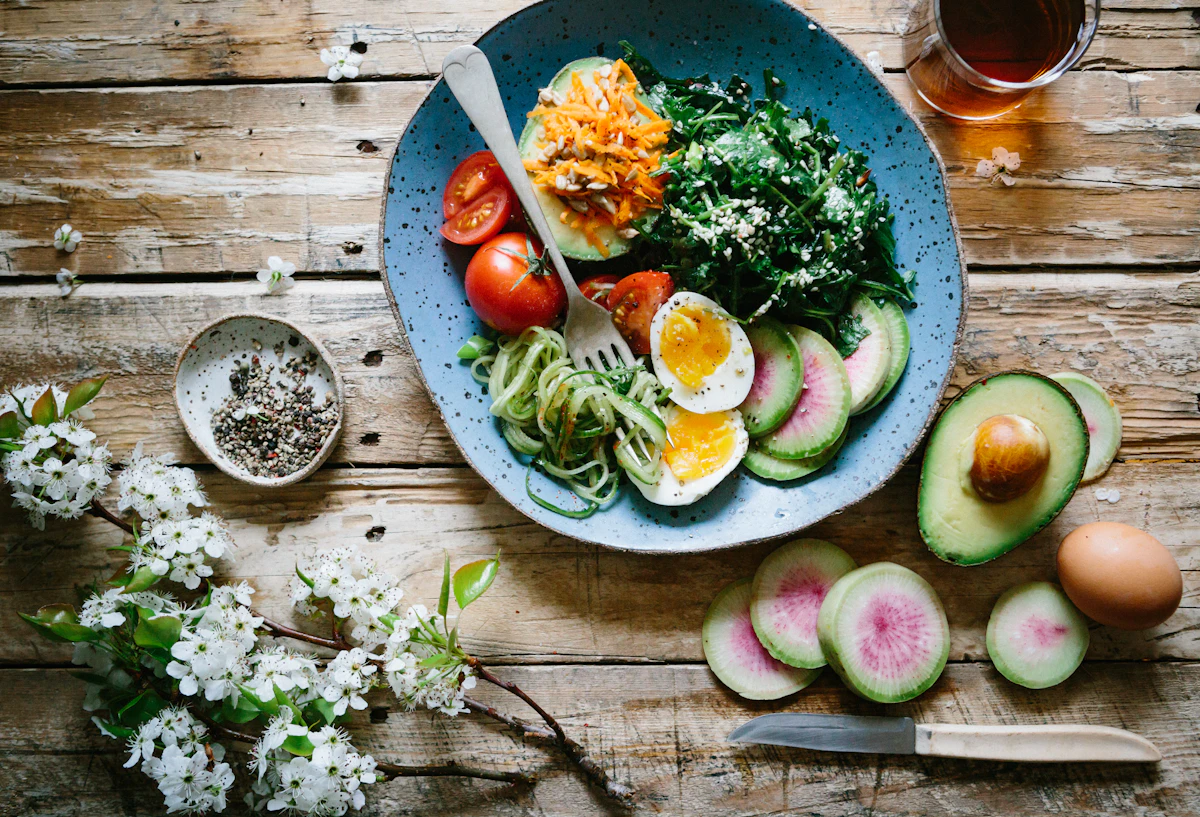
Understanding why blood sugar spikes after meals may help support better energy, appetite balance, and healthy daily routines naturally.
Table of Contents
What Is a Blood Sugar Spike?
A blood sugar spike happens when glucose levels rise quickly after eating. This may happen after meals high in sugar, refined carbs, or even certain healthy foods eaten in large amounts.
Frequent spikes may affect energy, mood, cravings, and overall wellness over time.
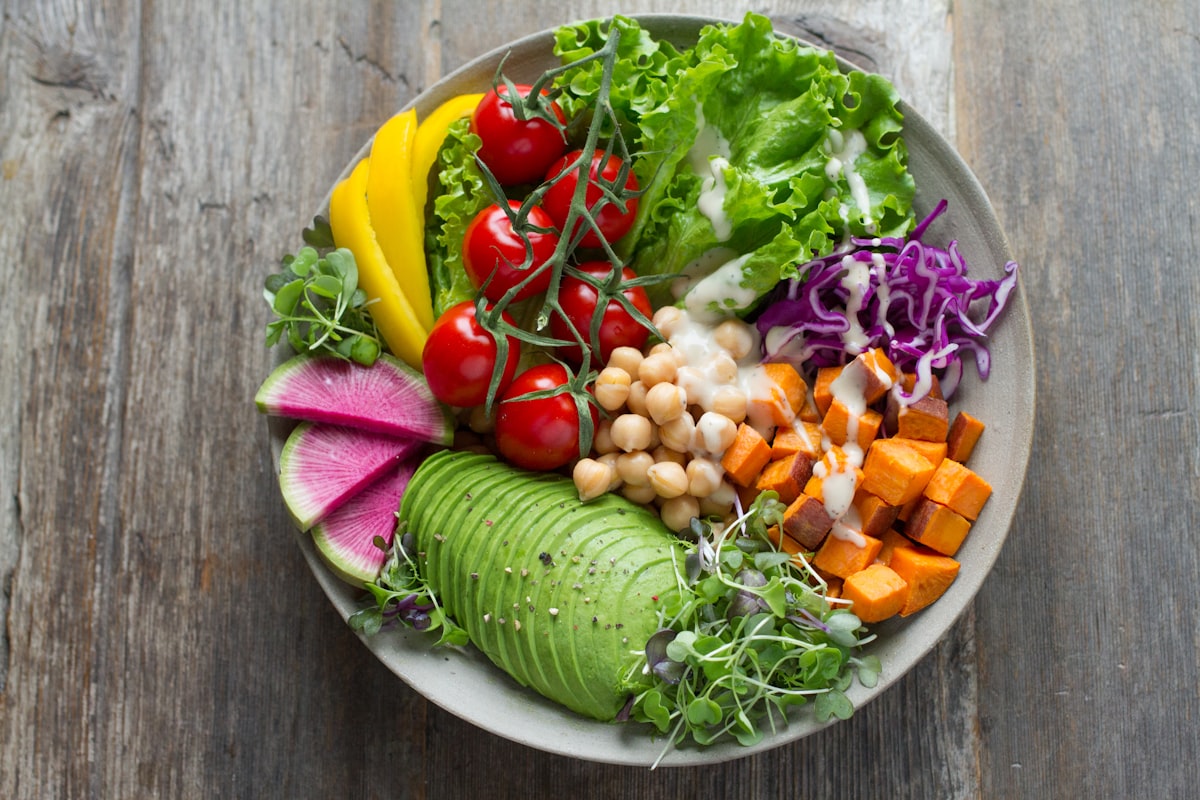
Why Healthy Foods May Raise Blood Sugar
Some healthy foods may still increase glucose levels because of:
- Large portion sizes
- Added sugar
- Lack of protein or fiber
- Fast digestion
- Sweetened ingredients
Many people searching for healthy foods raising blood sugar are surprised to learn that smoothies, fruit juices, granola, and flavored yogurt may sometimes cause quick energy crashes.
Common Healthy Foods That May Cause Blood Sugar Spikes
| Food | Why It May Cause Spikes |
|---|---|
| Fruit Juice | Contains concentrated sugar without enough fiber |
| Granola | May contain hidden sweeteners |
| Flavored Yogurt | Often includes added sugar |
| White Rice | Digests quickly and may raise glucose faster |
| Dried Fruits | Highly concentrated natural sugars |

Signs of Post-Meal Glucose Spikes
- Feeling sleepy after meals
- Energy crashes
- Sugar cravings
- Hunger shortly after eating
- Brain fog
- Low focus
- Feeling tired during the day
These symptoms may not always indicate a medical issue, but they can be signs of unstable energy balance.
Healthy Lifestyle Tips That May Help
1. Add More Protein
Protein-rich foods may help support fullness and slower digestion naturally.
2. Include Fiber With Meals
Fiber may help support more balanced digestion and appetite control.
3. Drink More Water
Hydration plays an important role in overall wellness and healthy digestion.
4. Walk After Meals
A short walk after eating may support healthy daily movement and energy balance naturally.
5. Avoid Sugary Drinks
Sweet beverages may contribute to faster glucose spikes.

Better Meal Ideas for Balanced Energy
| Instead Of | Try This |
|---|---|
| Sugary cereal | Oatmeal with nuts |
| Fruit juice | Whole fruit and water |
| Sweet yogurt | Plain Greek yogurt |
| White bread | Whole grain bread |
| Chips | Nuts or roasted chickpeas |
These healthy blood sugar habits may help support better daily wellness naturally.
Related Wellness Guide
Looking for healthy breakfast ideas that may support balanced energy naturally?
Read the Breakfast GuideRecommended Wellness Support
Some people also explore natural wellness supplements alongside healthy eating and lifestyle improvements.

Simple Daily Wellness Routine
| Time | Healthy Habit |
|---|---|
| Morning | Hydration and protein breakfast |
| Afternoon | Balanced meals and movement |
| Evening | Light dinner and stress management |
| Night | Better sleep routine |
Frequently Asked Questions
Can healthy foods raise blood sugar?
Yes. Portion sizes, added sugar, and food combinations may affect glucose levels even in healthy foods.
What foods may help support balanced blood sugar?
Protein-rich meals, vegetables, whole foods, healthy fats, and fiber-rich foods are commonly included in balanced wellness routines.
Does walking after meals help?
Light movement after meals may support daily activity and healthy digestion naturally.
Are smoothies always healthy?
Homemade smoothies with protein and fiber may be better options than sugary packaged smoothies.
Final Thoughts
Understanding post meal glucose spikes may help you make smarter daily food choices naturally.
At FitGlucoseHub, we believe simple healthy habits, balanced meals, hydration, and consistent routines may support long-term wellness over time.
Healthy living is about progress, balance, and consistency — not perfection.


0 Comments