
Why You're Losing Weight but Not Belly Fat (And What to Do About It)
Losing weight can be encouraging, but it can also be confusing when the number on the scale is going down while your stomach still looks almost the same. Many people experience this situation and start wondering whether they are doing something wrong.
The reality is that belly fat loss does not always happen at the same rate as overall weight loss. Your body decides where it stores and releases fat based on several factors, including genetics, hormones, calorie balance, activity, sleep and lifestyle habits.
If you're trying to understand why belly fat is not going away, this guide from FitGlucoseHub will help you understand the most common reasons and the practical habits that may support healthier body-fat reduction.
Table of Contents
- Why You're Losing Weight but Not Belly Fat
- How Your Body Stores and Loses Fat
- Your Calorie Deficit May Be Smaller Than You Think
- Why Protein Matters During Weight Loss
- The Role of Strength Training
- Why Daily Walking Matters
- Sleep, Stress and Belly Fat
- What to Do Next
Why You're Losing Weight but Not Belly Fat
One of the biggest misunderstandings about weight loss is expecting every part of the body to become smaller at the same time.
When you lose weight, the change can come from body fat, water, glycogen and sometimes muscle tissue. The proportion can vary from person to person. You may notice changes in your face, arms or legs before seeing a major difference around your waist.
This is why a person can experience weight loss but still have belly fat. It does not automatically mean that their diet or exercise routine has failed.
Another important point is that you cannot choose exactly where your body burns fat. Doing more crunches does not specifically tell your body to remove fat from your stomach.
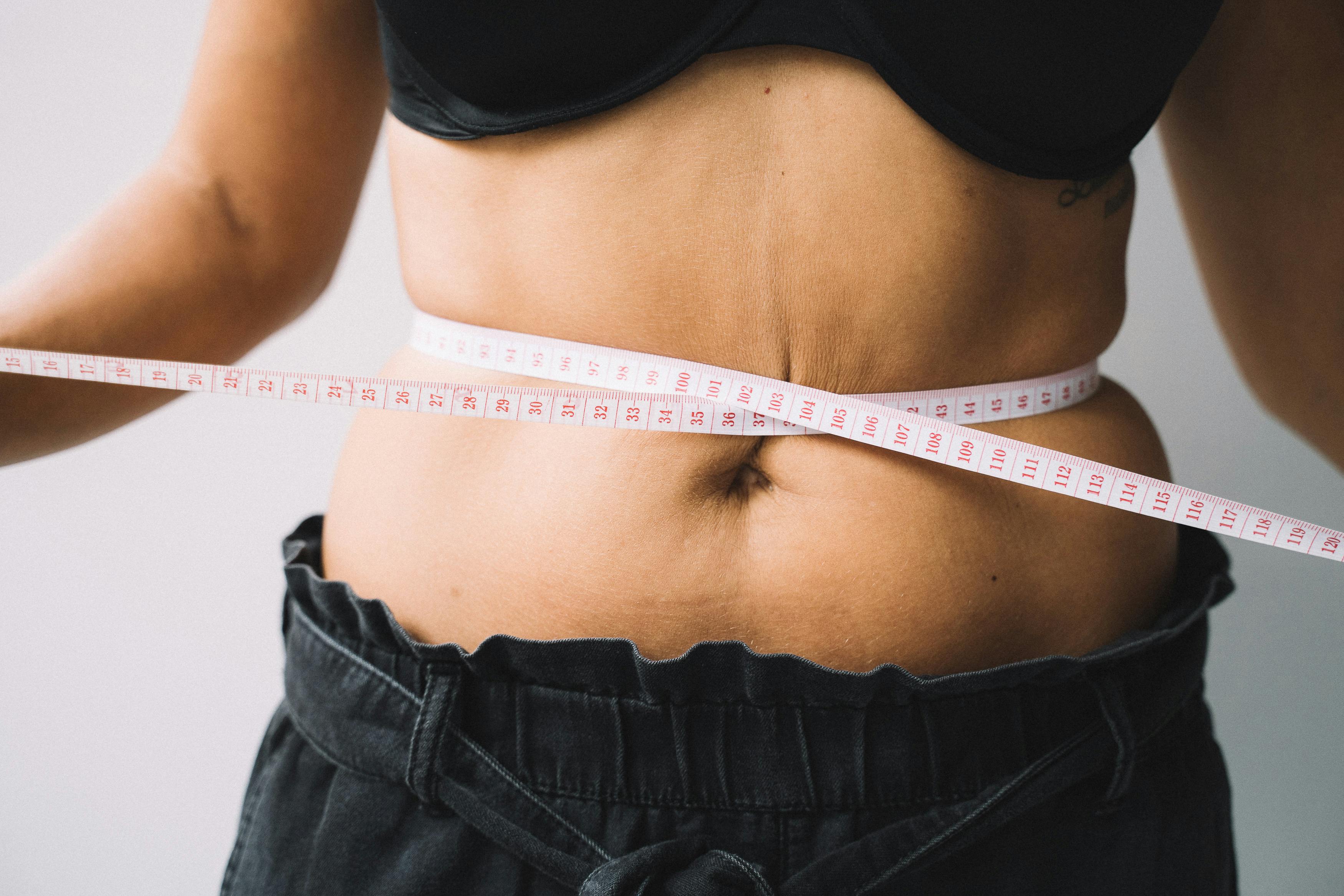
Tracking waist measurements can help you notice changes that the scale may not show immediately.
How Your Body Stores and Loses Fat
Fat distribution is influenced by genetics, hormones, age and other individual factors. Some people naturally store more fat around their abdomen, while others tend to store more around their hips or thighs.
There are also different types of abdominal fat. Subcutaneous fat is located underneath the skin and is the type you can usually pinch. Visceral fat is stored deeper inside the abdomen around internal organs.
Visceral fat is particularly relevant to metabolic health. However, you cannot directly target it by performing a specific abdominal workout.
A sustainable calorie deficit combined with regular physical activity can support overall fat loss, while resistance training can help preserve muscle during the process.
Best High-Protein Breakfast Ideas for Weight Loss
High-Protein Foods That Can Help Keep You Full
Your Calorie Deficit May Be Smaller Than You Think
Another common reason for slow changes around the waist is that the calorie deficit may be smaller than you believe.
You can eat nutritious foods and still consume enough calories to maintain your current weight. Healthy foods can also contain significant amounts of energy when eaten in large portions.
For example, nuts, seeds, cooking oils, nut butter, dressings and certain drinks can add substantial calories without making a meal feel much larger.
This does not mean you need to obsess over every calorie. Instead, become more aware of portions and your overall eating pattern.
Simple habits that may help
- Include a protein source with your main meals.
- Fill a substantial portion of your plate with vegetables.
- Choose whole or minimally processed foods more often.
- Pay attention to liquid calories.
- Limit frequent high-calorie snacking.
- Eat slowly and notice your hunger and fullness signals.
These habits can make it easier to maintain a sustainable calorie deficit without relying on an extremely restrictive diet.

A balanced meal can make healthy eating easier to maintain during a weight-loss routine.
Why Protein Matters During Weight Loss
Protein deserves special attention when your goal is to lose body fat while maintaining a healthier body composition.
Protein can help you feel full and can support the maintenance of muscle during weight loss. This is one reason meals built around protein-rich foods can be useful for people trying to manage their appetite.
Examples of practical protein sources include:
- Eggs
- Greek yogurt
- Cottage cheese
- Chicken
- Fish
- Tofu
- Beans
- Lentils
For example, instead of having a breakfast made mostly from refined carbohydrates, you could include eggs, Greek yogurt or another protein-rich option along with fruit or vegetables.
If you are looking for high protein meals for weight loss, the goal should not be to eat as much protein as possible. The better approach is to distribute reasonable amounts of protein across your meals while keeping your overall diet balanced.
People with certain medical conditions or specific dietary restrictions should discuss major dietary changes with a qualified healthcare professional.
The Role of Strength Training
If you want to look leaner rather than simply weigh less, resistance training can be an important part of your routine.
Strength training can help maintain muscle while you are losing weight. This can be particularly useful when your goal is to improve body composition.
You do not necessarily need an expensive gym membership. Depending on your fitness level, you can use bodyweight exercises, resistance bands or weights.
A simple full-body approach
- Chair squats or regular squats
- Wall push-ups or modified push-ups
- Resistance-band rows
- Hip-hinge movements
- Light overhead presses
- Plank or other appropriate core exercises
Start at a manageable level and gradually increase the difficulty as your strength improves.
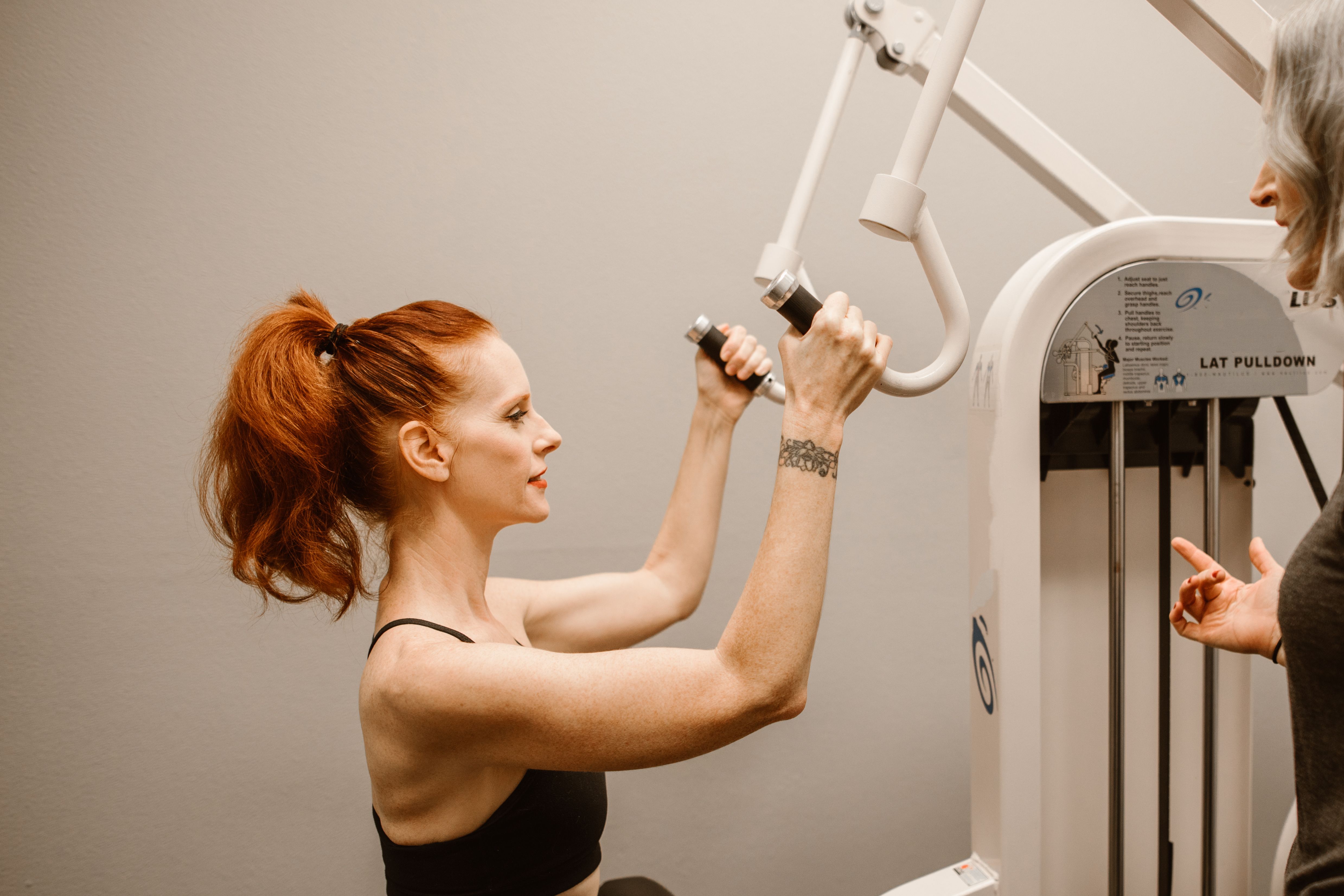
Resistance training can complement nutrition and regular daily movement during weight loss.
Why Daily Walking Matters
Exercise is not limited to formal workouts. The movement you accumulate throughout the day can also contribute to your overall activity level.
Walking is one of the simplest ways to increase daily movement. It does not require complicated equipment and can often be fitted around your existing schedule.
You could take a short walk after meals, walk while talking on the phone, take movement breaks during long periods of sitting or choose stairs when practical.
If you are currently inactive, you do not have to suddenly start an intense workout program. Gradually increasing your activity may be easier to maintain.
Sleep, Stress and Belly Fat
Nutrition and exercise receive most of the attention in weight-loss discussions, but sleep and stress can also affect how easy it is to maintain healthy habits.
Insufficient sleep may affect appetite, food choices, energy and exercise motivation. Stress can also make it more difficult for some people to stick with their usual eating and activity routine.
Instead of searching for a fast way to lose belly fat, consider improving the basic habits that support your overall routine.
- Maintain a consistent sleep schedule when possible.
- Create a relaxing bedtime routine.
- Get regular daytime movement.
- Take short breaks from prolonged sitting.
- Use simple stress-management techniques such as walking or breathing exercises.

Regular walking and other forms of daily movement can support an active lifestyle.
What to Do Next
If you are losing weight but your stomach has not changed much, avoid assuming that you need a much stricter diet.
Instead, look at your overall progress. Track your body weight trend, waist measurement, food habits, protein intake, daily movement, strength and sleep.
Remember that stubborn belly fat usually cannot be addressed with one food, one exercise or one supplement. Sustainable changes tend to come from combining several healthy habits consistently.
In Part 2, we will cover common mistakes that can make belly-fat progress harder to notice, how to measure your waist correctly, whether ab exercises can make your stomach look flatter, how to structure meals, and practical habits you can continue long term.
Related Reading
For more practical weight-loss and nutrition information, you can also explore these related FitGlucoseHub resources:
- Weight gain : Why It Happens And How To Manage It Naturally | Fitglucosehub
- Healthy Late-Night Snack Ideas
- Best Bedtime Habits for Better Blood Sugar Control | Fitglucosehub
- How to Reduce Blood Sugar Spikes After Meals Naturally | Fitglucosehub
- 7- Day Healthy Diet Plan For Weight Loss and Better Energy | Fitglucosehub
Common Reasons Belly Fat Progress Seems Slow
Even when you are making genuine progress, certain habits can make it difficult to notice changes around your waist. The goal is not to follow a perfect routine. It is to identify the habits that may be making your overall fat-loss plan harder to maintain.
1. Eating healthy foods in very large portions
Healthy foods are still capable of contributing significant calories. Olive oil, nuts, seeds, avocado and nut butter can all be nutritious choices, but portion size matters.
If your weight has stopped changing for several weeks, reviewing portions may be more useful than eliminating entire food groups.
2. Drinking calories without realizing it
Sugary coffee drinks, soft drinks, sweetened juices and other calorie-containing beverages can add up quickly.
Water, unsweetened tea and other low- or no-calorie drinks can make it easier to manage your total calorie intake.
3. Exercising but being inactive afterward
A workout may last 30 or 45 minutes, but the rest of the day still matters. If you spend most of the remaining hours sitting, your total daily movement may be lower than expected.
Adding short walks and movement breaks can be a practical way to increase activity without making your workouts dramatically longer.
4. Weekend eating patterns
Some people follow their routine carefully during the week and then consume considerably more food on weekends. This can reduce or eliminate the calorie deficit created during the previous days.
You do not need to avoid social meals. Instead, try to maintain reasonable portions and return to your normal routine afterward.
5. Expecting fast results
Body composition changes are often easier to notice over weeks and months than from one day to another.
Daily body weight can also fluctuate because of water, sodium, carbohydrates, digestion and other factors. Looking at a longer-term trend can provide a clearer picture.
Can Ab Exercises Remove Belly Fat?
Abdominal exercises can strengthen your core, but they cannot selectively remove the fat covering your abdominal muscles.
Exercises such as planks, dead bugs, controlled crunches and other core movements can improve abdominal strength. However, exercises to reduce belly fat should not be interpreted as exercises that directly burn stomach fat from that exact area.
For overall fat reduction, a combination of appropriate nutrition, resistance training and regular physical activity is more practical than relying exclusively on abdominal exercises.

Core exercises can strengthen abdominal muscles even though they do not selectively remove belly fat.
How to Measure Your Waist Correctly
The scale is not the only way to monitor changes. Measuring your waist can provide another useful progress marker.
For consistency, measure under similar conditions each time rather than comparing measurements taken at different times of day.
Simple waist-measurement steps
- Stand upright and relax your abdomen.
- Place a flexible measuring tape around your waist.
- Keep the tape level rather than allowing it to angle upward or downward.
- Do not pull the tape extremely tight.
- Take the measurement after a normal exhalation.
- Record the result so you can compare it over time.
One measurement does not tell the whole story. Your waist can temporarily change because of bloating, meals, hydration and other short-term factors.
For that reason, looking at trends rather than reacting to a single measurement is more useful.
Build Meals That Support Fat Loss
You do not need a complicated meal plan to create healthier eating habits. A simple meal structure can make your routine easier to follow.
One practical approach is to combine a protein source, vegetables or fruit, a source of high-fiber carbohydrates and a moderate amount of healthy fat.
Example meal structure
- Protein: eggs, chicken, fish, Greek yogurt, tofu, beans or lentils
- Vegetables: leafy greens, broccoli, cucumber, peppers, carrots or other vegetables
- High-fiber carbohydrates: oats, beans, lentils, whole grains or potatoes
- Healthy fats: nuts, seeds, avocado or a moderate amount of olive oil
This type of meal structure can be adjusted according to your dietary preferences, culture, budget and calorie needs.
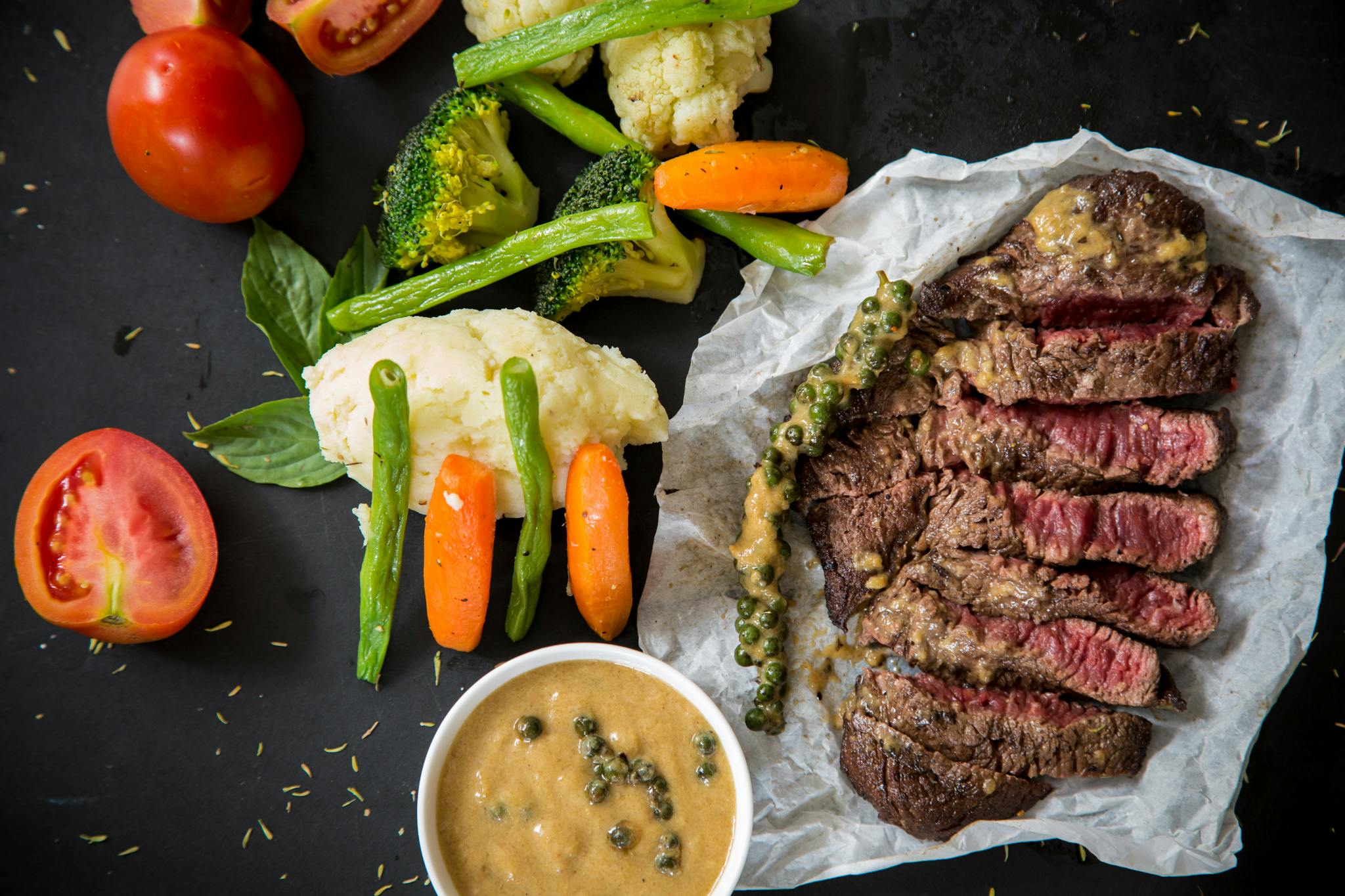
A balanced plate can provide protein, fiber and nutrients without requiring a complicated diet.
What About Foods That Claim to Burn Belly Fat?
You may see foods, drinks and supplements marketed as belly fat burners. It is important to be cautious with these claims.
No single food can guarantee targeted abdominal fat loss. Some foods can certainly be useful as part of a healthy diet because they provide protein, fiber or other nutrients, but that is different from directly burning belly fat.
For example, vegetables, legumes, whole grains and protein-rich foods can support a nutritious eating pattern. Their value comes from how they fit into your overall diet rather than from a special fat-burning effect.
Should You Consider a Weight-Loss Supplement?
Supplements are sometimes promoted as an easy solution for stubborn abdominal fat. However, a supplement should not replace a sustainable diet, regular physical activity and adequate sleep.
If you are considering a weight-loss supplement, look carefully at its ingredients, evidence, potential side effects and possible interactions with medications.
At FitGlucoseHub, we recommend treating supplement information as one part of a broader health and nutrition discussion rather than viewing any product as a guaranteed solution.
Want to Learn More?
If you're looking for additional support with your weight-management goals, you can explore this product and review its ingredients and available information before deciding if it's right for you.
Learn More About the Product →
Affiliate disclosure: We may earn a commission if you purchase through this link, at no extra cost to you.
7 Practical Habits for a Smaller Waist Over Time
- Prioritize protein: Include a suitable protein source in your main meals.
- Increase fiber-rich foods: Vegetables, beans, lentils, fruits and whole grains can help create a more filling diet.
- Walk regularly: Add more movement throughout your day instead of relying only on formal workouts.
- Strength train: Use resistance exercises to support muscle maintenance.
- Watch liquid calories: Choose low- or no-calorie beverages more often.
- Protect your sleep: Aim for a consistent sleep routine whenever possible.
- Track progress patiently: Look at trends in weight and waist measurements rather than expecting daily changes.
When Should You Talk to a Doctor?
Want to Learn More?
If you're looking for additional support with your weight-management goals, you can explore this product and review its ingredients and available information before deciding if it's right for you.
Learn More About the Product →
Affiliate disclosure: We may earn a commission if you purchase through this link, at no extra cost to you.
Weight management is not always simply a matter of eating less and exercising more. Certain medications and medical conditions can influence body weight or make weight changes more difficult.
If you experience unexplained weight changes, persistent abdominal swelling, significant fatigue, changes in appetite or other concerning symptoms, it is sensible to discuss them with a healthcare professional.
People with diabetes, thyroid conditions, kidney disease, cardiovascular conditions or other chronic health conditions should also speak with their healthcare provider before making major changes to diet, exercise or supplements.
Frequently Asked Questions
Why am I losing weight but not losing belly fat?
Your body does not necessarily lose fat evenly. You may lose fat from other areas before seeing a noticeable change around your waist. Genetics, body-fat distribution, calorie intake, activity and other factors can influence the process.
Can walking help reduce belly fat?
Walking can increase daily physical activity and contribute to overall energy expenditure. It cannot specifically target abdominal fat, but regular walking can be part of an overall fat-loss strategy.
Do crunches burn stomach fat?
Crunches can strengthen abdominal muscles, but they do not selectively remove the fat covering those muscles. Overall fat loss requires an approach that addresses your total energy balance and lifestyle.
What is the best exercise for belly fat?
There is no single exercise that selectively removes belly fat. A combination of regular aerobic activity, resistance training and an appropriate eating pattern can support overall fat loss and fitness.
How long does it take to lose belly fat?
There is no universal timeline. The rate of change varies between individuals and depends on factors such as starting body composition, calorie intake, activity, genetics and consistency.
Can a high-protein diet help with weight loss?
Adequate protein can help support fullness and muscle maintenance during weight loss. However, the overall diet and total calorie intake still matter.
Should I stop eating carbohydrates to lose belly fat?
Not necessarily. Carbohydrates can be part of a balanced diet. Choosing fiber-rich carbohydrate sources and paying attention to portions may be more practical than eliminating carbohydrates entirely.
Related Reading on FitGlucoseHub
If you are working on weight management and healthier eating habits, these related resources may also be useful:
- 7 Day High Protein Diet Plan for Weight Loss in USA (2026 Guide)
- Healthy Indian Food For Blood Sugar Control in 2026
- Best Late-Night Snacks for Stable Blood Sugar
- Best Drinks to Lower Blood Sugar Naturally in 2026 | Diabetes-Friendly Drinks
- Healthy Foods That May Help Control Sugar Cravings
- Simple High-Protein Diet Plan Ideas for Weight Management
- Visit FitGlucoseHub for More Health and Nutrition Guides
Medical Disclaimer
Disclaimer: This article is intended for general educational and informational purposes only. It is not medical advice and should not replace consultation with a qualified doctor, registered dietitian or other healthcare professional. Weight loss and body-fat distribution vary from person to person. If you have a medical condition, take prescription medication, are pregnant or breastfeeding, or are planning significant dietary or exercise changes, consult an appropriate healthcare professional first.
Final Thoughts
Losing weight without seeing an immediate reduction in belly fat can be frustrating, but it does not necessarily mean that your efforts are not working.
Instead of searching for one quick belly fat loss trick, focus on the habits that support overall health: balanced meals, adequate protein, fiber-rich foods, regular walking, resistance training, good sleep and a sustainable calorie deficit when appropriate.
Most importantly, give your body enough time to change. Track more than just the scale, and avoid judging your progress based on a few days of measurements.
With a consistent approach, your goal can shift from simply losing weight to building healthier and more sustainable habits for long-term weight management.


0 Comments