
12 Best Low-Glycemic Foods for Stable Blood Sugar (2026 Complete Guide)
Maintaining healthy blood sugar levels is one of the most important steps for long-term health. Whether you're managing prediabetes, insulin resistance, or simply trying to avoid energy crashes, choosing the best low-glycemic foods for stable blood sugar can make a significant difference.
The Glycemic Index (GI) measures how quickly foods raise blood sugar after eating. Low-glycemic foods are digested more slowly, helping provide steady energy and reducing sudden glucose spikes.
In this guide from FitGlucoseHub, you'll discover 12 low-glycemic foods that can support balanced blood sugar, healthy weight management, and better metabolic health.
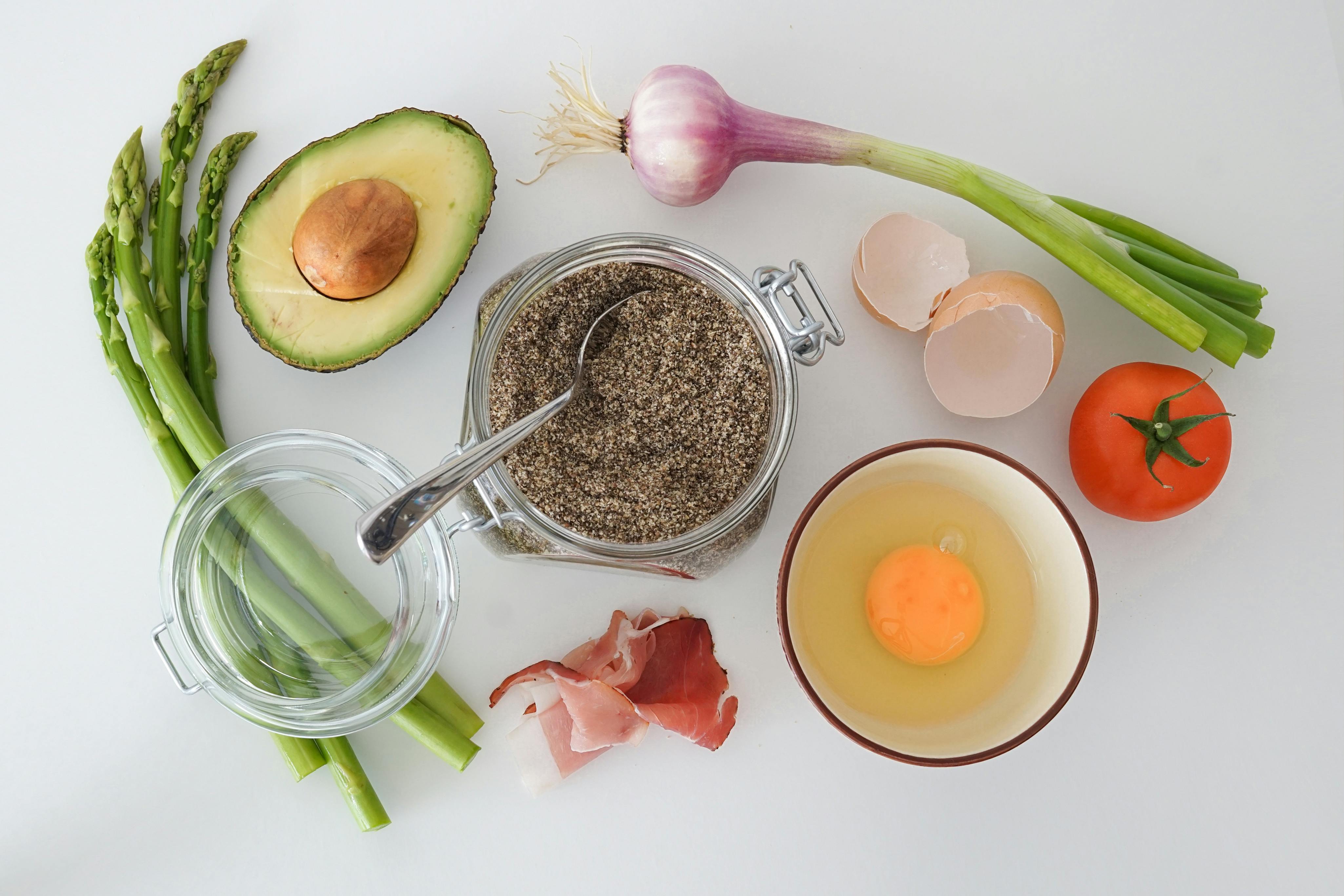
Low-glycemic foods may help support healthy blood sugar levels and provide steady energy throughout the day.
What Are Low-Glycemic Foods?
Low-glycemic foods have a GI score of 55 or lower. These foods are digested more slowly than refined carbohydrates, resulting in a gradual release of glucose into the bloodstream.
Many nutrition experts recommend including low-GI foods as part of a balanced diet because they may help support healthy glucose metabolism and reduce hunger between meals.
Benefits of Low-Glycemic Foods
- May support healthy blood sugar levels.
- Help reduce energy crashes.
- Support appetite control.
- May improve insulin sensitivity.
- Support healthy weight management.
- Promote long-lasting fullness.
1. Steel-Cut Oats
Unlike instant oatmeal, steel-cut oats are minimally processed and have a lower glycemic impact. They contain soluble fiber that may help support healthy blood sugar levels.
- Rich in beta-glucan fiber
- Supports digestive health
- Promotes satiety
Related: If you're looking for more fiber-rich options, check out our guide on high-fiber foods that help lower blood sugar naturally.
2. Lentils
Lentils are rich in both fiber and plant protein. Their slow digestion makes them a popular choice for people focused on stable blood sugar levels.
- High in protein
- Excellent source of fiber
- Supports digestive wellness
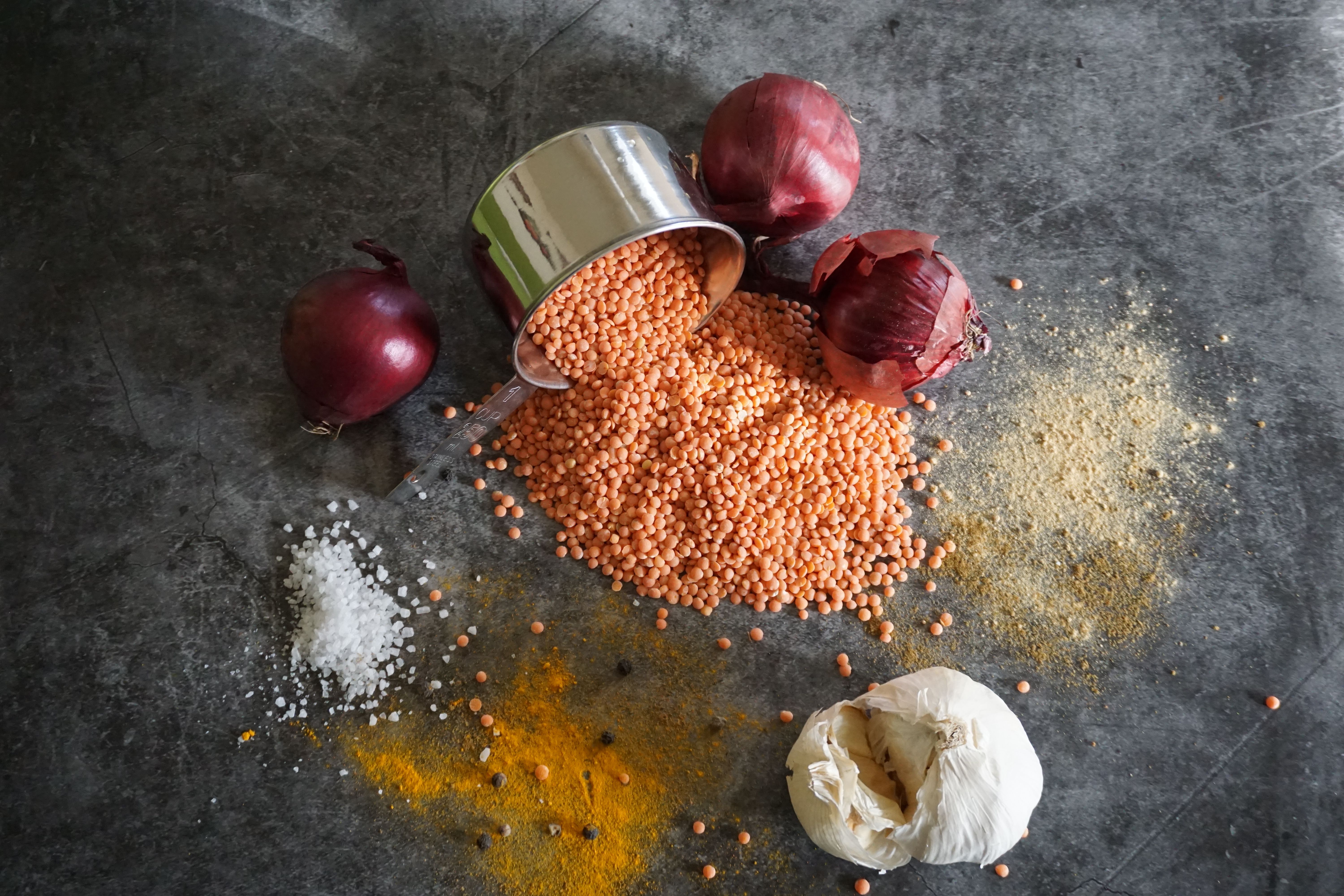
Lentils provide a combination of fiber and protein that may help support balanced blood sugar levels.
3. Chickpeas
Chickpeas are versatile legumes with a low glycemic index. They can be added to salads, soups, and healthy bowls for a satisfying meal.
- Fiber-rich
- Plant-based protein
- Supports fullness
4. Non-Starchy Vegetables
Vegetables such as broccoli, cauliflower, spinach, kale, and zucchini are naturally low in carbohydrates and have a minimal effect on blood sugar.
- Nutrient-dense
- Low in calories
- Supports overall health
5. Berries
Berries provide antioxidants, vitamins, and fiber while remaining relatively low on the glycemic index compared to many other fruits.
- Rich in antioxidants
- Supports healthy eating habits
- Naturally sweet

Berries are among the most popular fruits included in blood sugar-friendly meal plans.
6. Apples
Apples contain fiber and beneficial plant compounds that make them a smart snack choice for many people focused on blood sugar management.
Also Read: Our complete guide on best fruits for people with prediabetes.
7. Greek Yogurt (Unsweetened)
Plain Greek yogurt is rich in protein and contains fewer carbohydrates than many flavored yogurts. When paired with berries or chia seeds, it can become a satisfying low-glycemic snack.
- High in protein
- Supports fullness
- Contains probiotics for gut health

Unsweetened Greek yogurt paired with berries makes a balanced low-glycemic breakfast or snack.
8. Avocados
Avocados are naturally low in carbohydrates while providing healthy monounsaturated fats and dietary fiber. They fit well into blood sugar-friendly meal plans and may help improve satiety.
- Healthy fats
- High in fiber
- Supports heart health
9. Chia Seeds
Chia seeds absorb water to form a gel-like texture, slowing digestion and helping you feel full longer. They also provide omega-3 fatty acids and fiber.
- Excellent source of soluble fiber
- Supports healthy digestion
- Easy to add to smoothies or yogurt
10. Almonds
Almonds are one of the best low-glycemic snacks because they combine protein, healthy fats, and fiber in every serving.
- Protein-rich
- Supports appetite control
- Convenient healthy snack
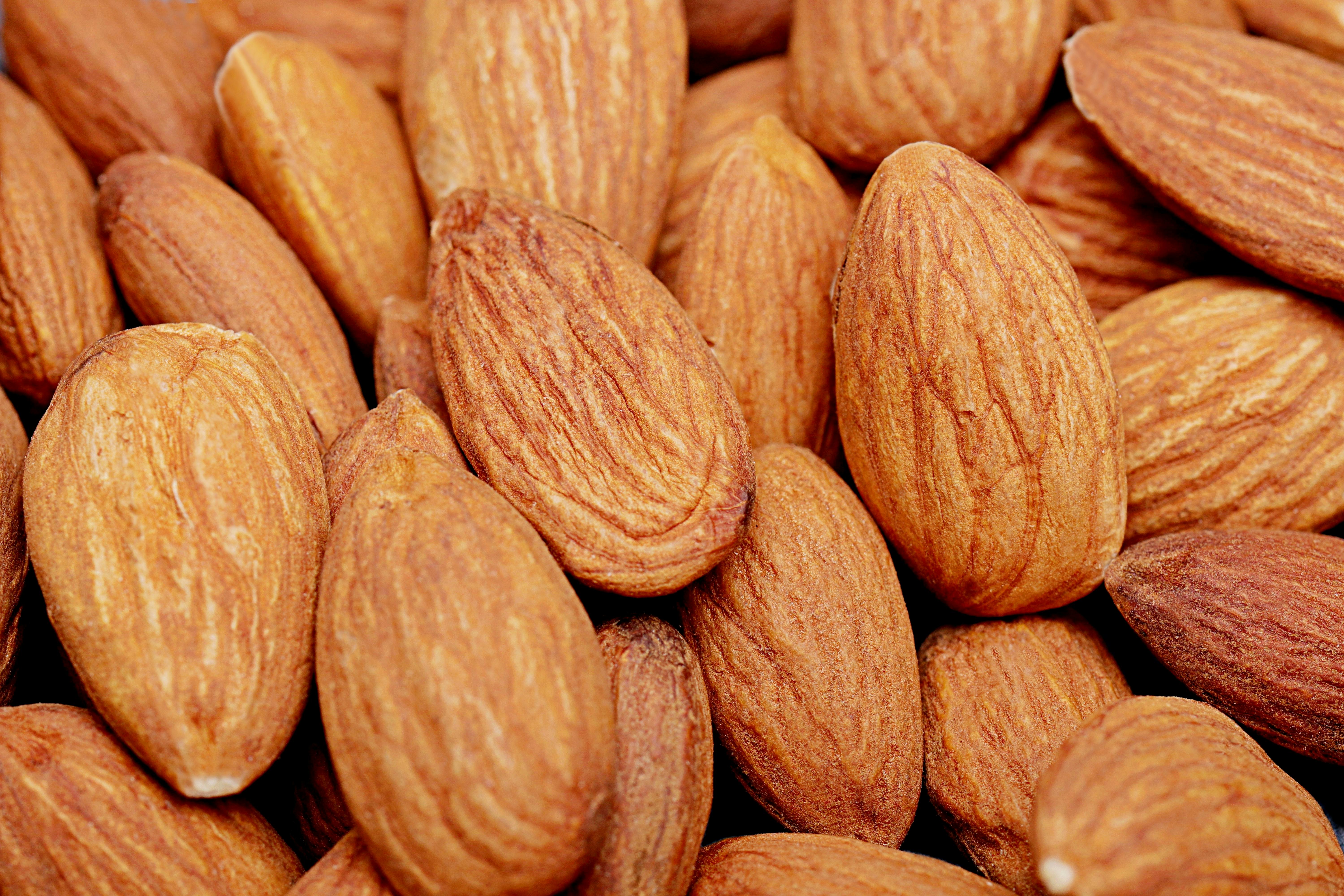
Almonds provide a satisfying combination of protein, healthy fats, and fiber.
11. Quinoa
Quinoa is a whole grain that provides complete protein and fiber. Compared with refined grains, it has a lower glycemic impact and is a nutritious addition to balanced meals.
- Complete plant protein
- High in minerals
- Supports healthy energy levels
12. Sweet Potatoes
When eaten in moderate portions, boiled sweet potatoes have a lower glycemic impact than many processed carbohydrate foods. They also provide vitamin A, potassium, and fiber.
- Rich in nutrients
- Naturally satisfying
- Supports healthy eating habits
Low-Glycemic Foods Comparison Table
| Food | GI Rating | Main Benefit |
|---|---|---|
| Steel-Cut Oats | Low | High Fiber |
| Lentils | Low | Protein + Fiber |
| Chickpeas | Low | Supports Fullness |
| Broccoli | Very Low | Low-Carb Vegetable |
| Berries | Low | Antioxidants |
| Apples | Low | Fiber |
| Greek Yogurt | Low | Protein |
| Avocados | Very Low | Healthy Fats |
| Chia Seeds | Very Low | Soluble Fiber |
| Almonds | Very Low | Healthy Snack |
| Quinoa | Low | Whole Grain |
| Sweet Potatoes | Moderate-Low | Complex Carbohydrates |

Building meals around low-glycemic foods can help maintain steady energy throughout the day.
Foods That May Cause Blood Sugar Spikes
- Sugary soft drinks
- White bread
- White rice
- Candy
- Sweet pastries
- Sugary breakfast cereals
- Highly processed snacks
- Sweetened fruit juices
Simple Tips to Build a Low-Glycemic Meal
- Fill half your plate with non-starchy vegetables.
- Choose whole grains over refined grains.
- Add lean protein to every meal.
- Include healthy fats such as avocado or nuts.
- Drink water instead of sugary beverages.
- Control portion sizes even with healthy foods.
Support Your Blood Sugar Naturally
A healthy diet is the foundation of blood sugar management, but some people also choose high-quality blood sugar support supplements as part of their wellness routine. Look for products with transparent ingredient labels, positive customer reviews, and manufacturing in certified facilities.
If you'd like to compare a trusted option, visit the official product page below.
Disclosure: This article may contain affiliate links. We may earn a commission at no additional cost to you if you purchase through our links.
Related Articles on FitGlucoseHub
- 10 High-Fiber Foods That Help Lower Blood Sugar Naturally
- Best Fruits for People with Prediabetes
- 7-Day High-Protein Meal Plan for Weight Loss
- Best 7-Day Insulin Resistance Diet Plan
- 10 Early Signs of High Blood Sugar You Should Never Ignore
Frequently Asked Questions
What is a low-glycemic food?
A low-glycemic food has a glycemic index (GI) of 55 or lower, meaning it generally causes a slower rise in blood sugar compared to high-GI foods.
Are bananas low glycemic?
Slightly green bananas have a lower glycemic impact than very ripe bananas, but portion size still matters.
Can low-glycemic foods help with weight loss?
Low-glycemic foods may help you feel fuller for longer, making it easier to follow a balanced eating plan that supports healthy weight management.
Should people with diabetes avoid all carbohydrates?
No. Many carbohydrate-rich foods such as beans, oats, and quinoa provide fiber and nutrients that can fit into a balanced diabetes-friendly diet.
Can I eat fruit on a low-glycemic diet?
Yes. Fruits such as berries and apples are commonly included because they provide fiber and essential nutrients.
Final Verdict
The best low-glycemic foods for stable blood sugar include oats, lentils, chickpeas, berries, leafy vegetables, avocados, almonds, quinoa, and other whole foods rich in fiber and nutrients. Rather than focusing on a single "superfood," aim to build balanced meals that combine lean protein, healthy fats, and high-fiber carbohydrates. Consistency with these habits can support healthier blood sugar levels, better energy, and long-term wellness.
Medical Disclaimer
This content is intended for educational purposes only and should not replace professional medical advice. If you have diabetes, prediabetes, or any other medical condition, consult your healthcare provider before making significant dietary or lifestyle changes.


0 Comments