
10 High-Fiber Foods That Help Lower Blood Sugar Naturally (2026 Doctor-Recommended Guide)
Managing blood sugar isn't just about avoiding sugar—it's also about choosing the right foods. One of the most effective dietary strategies is increasing your intake of high-fiber foods that help lower blood sugar naturally. Fiber slows the digestion of carbohydrates, supports a healthy gut, improves satiety, and may help maintain healthy blood glucose levels when combined with a balanced diet and regular physical activity.
If you have prediabetes, type 2 diabetes, or simply want to improve your metabolic health, adding more fiber-rich foods to your meals can make a meaningful difference. In this complete guide, you'll discover the best high-fiber foods for blood sugar control, how they work, and practical ways to include them in your daily diet.
Instead of relying on restrictive eating plans, focusing on nutrient-dense foods can help you create a sustainable lifestyle that supports long-term health. Let's explore the foods that deserve a place on your plate in 2026.

Eating more fiber-rich foods may support healthy blood sugar levels, improve digestion, and keep you feeling full for longer.
Table of Contents
- Why Fiber Matters for Blood Sugar
- How Much Fiber Do You Need?
- 10 Best High-Fiber Foods
- Easy Ways to Add More Fiber
- Common Mistakes to Avoid
- FAQs
Why Fiber Is Important for Blood Sugar Control
Fiber is a type of carbohydrate that your body cannot fully digest. Unlike refined carbohydrates that quickly raise blood sugar, dietary fiber slows digestion and helps glucose enter the bloodstream more gradually. This may reduce sudden blood sugar spikes after meals.
Foods rich in soluble fiber also support beneficial gut bacteria, improve digestive health, and may contribute to better insulin sensitivity over time. That's why many nutrition experts recommend increasing fiber intake as part of a healthy diabetes-friendly eating plan.
Adding high-fiber foods that help lower blood sugar naturally is one of the simplest lifestyle changes you can make for better metabolic health.
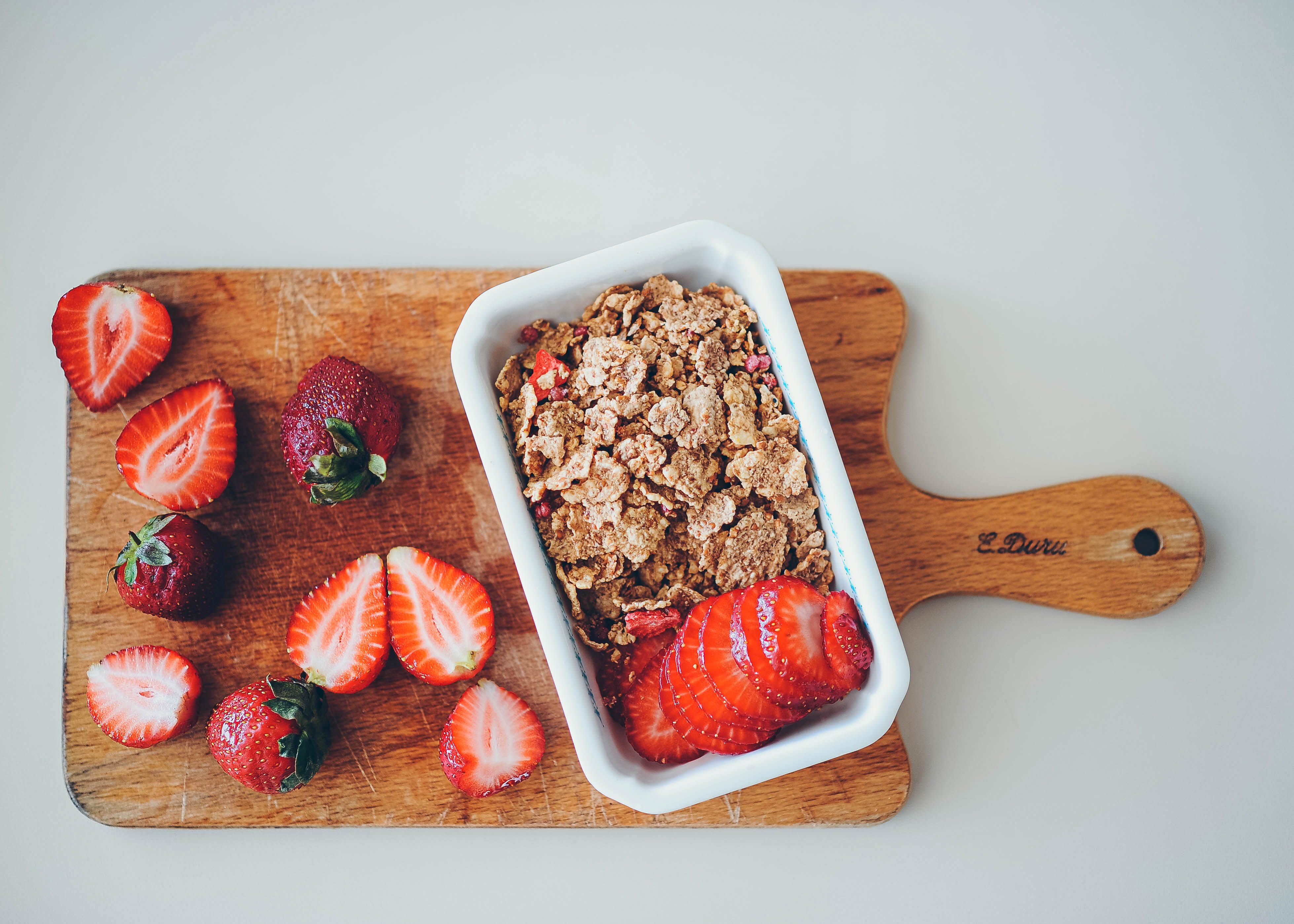
Fiber slows digestion and helps maintain more stable blood sugar levels after meals.
How Much Fiber Should Adults Eat?
Most adults consume far less fiber than recommended. General daily recommendations are:
| Group | Recommended Daily Fiber |
|---|---|
| Women (19–50 years) | 25 grams |
| Women (51+ years) | 21 grams |
| Men (19–50 years) | 38 grams |
| Men (51+ years) | 30 grams |
If your current intake is low, increase fiber gradually and drink plenty of water to help your digestive system adjust comfortably.
1. Oats
Oats are one of the best high-fiber foods for diabetes because they contain beta-glucan, a soluble fiber that supports healthy cholesterol levels and helps slow carbohydrate absorption.
- Supports steady energy
- Rich in soluble fiber
- Helps keep you full longer
- Easy to include at breakfast

A bowl of oatmeal topped with berries and nuts makes a fiber-rich breakfast.
2. Chia Seeds
Chia seeds absorb water and form a gel-like texture, making them an excellent source of soluble fiber. They are also rich in omega-3 fatty acids and plant protein.
- Supports digestive health
- May help increase fullness
- Easy to add to yogurt, smoothies, or oatmeal
3. Lentils
Lentils provide a combination of fiber and plant-based protein, making them an excellent choice for balanced meals. They digest more slowly than refined grains and fit well into a blood sugar-friendly diet.
- Excellent source of dietary fiber
- High in plant protein
- Supports healthy digestion
- Budget-friendly and versatile

Lentils provide fiber, protein, and essential nutrients in every serving.
4. Beans
Black beans, kidney beans, and chickpeas are packed with fiber and protein. Replacing refined carbohydrates with beans may help support healthy blood sugar levels while keeping you satisfied for longer.
- Rich in soluble and insoluble fiber
- Supports heart health
- Ideal for soups, salads, and healthy bowls
5. Broccoli
Broccoli is a low-calorie vegetable loaded with fiber, vitamins, and antioxidants. It pairs well with lean proteins and whole grains, making it a smart choice for balanced meals.
- High in fiber
- Low in carbohydrates
- Rich in vitamin C
- Supports overall metabolic health
6. Apples
Apples are one of the easiest high-fiber foods that help lower blood sugar naturally. They contain pectin, a soluble fiber that slows digestion and supports gut health. Eating a whole apple is generally a better option than drinking apple juice because the fiber remains intact.
- Rich in soluble fiber
- Supports digestive health
- Convenient healthy snack
- Contains antioxidants
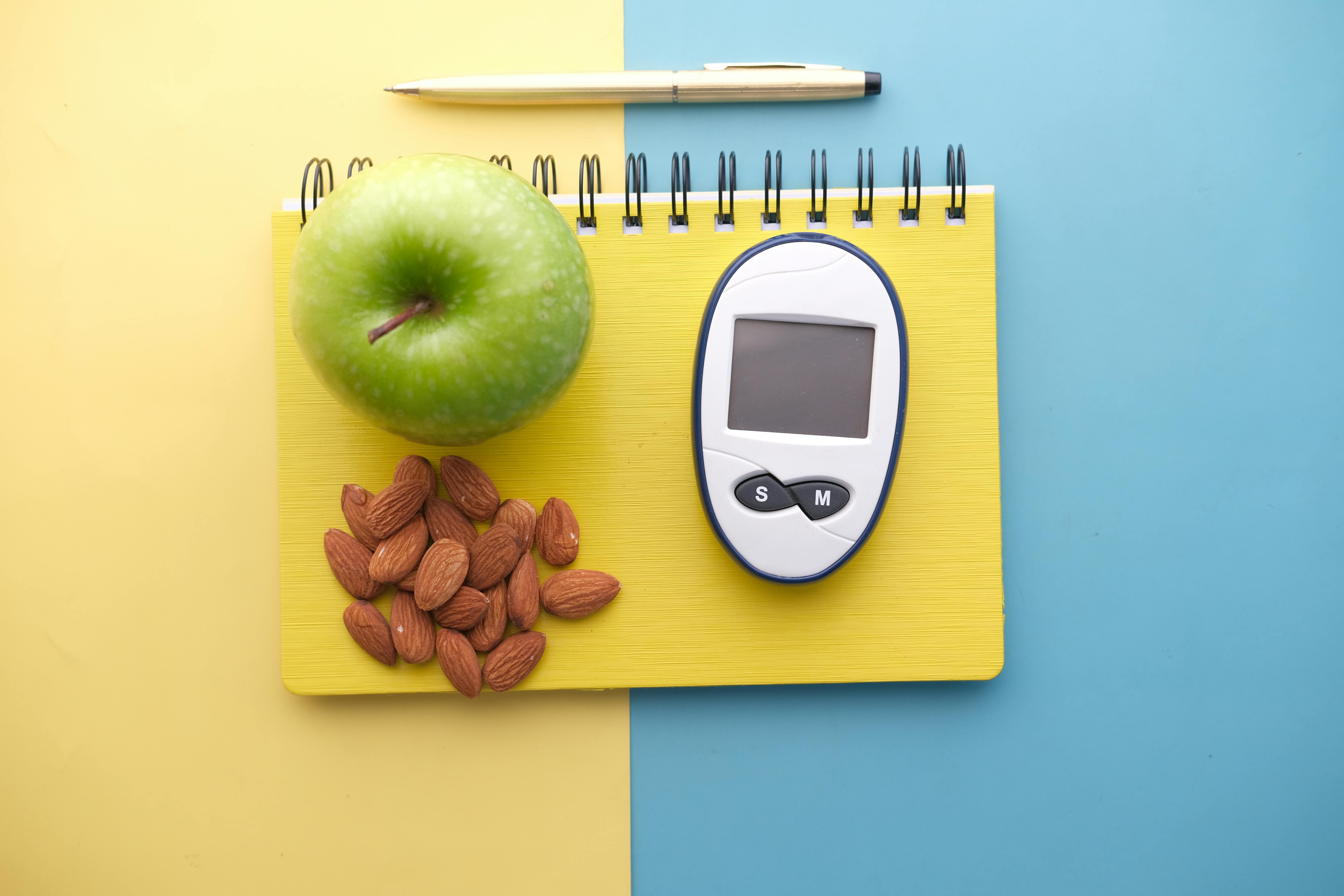
Whole apples provide fiber that may help support healthy blood sugar levels.
7. Berries
Blueberries, raspberries, strawberries, and blackberries are naturally rich in fiber while being lower in sugar than many other fruits. They are also packed with antioxidants that support overall health.
- Excellent source of fiber
- Rich in antioxidants
- Supports heart health
- Perfect for breakfast or snacks
8. Flaxseeds
Flaxseeds contain both soluble and insoluble fiber along with healthy omega-3 fats. Ground flaxseed is easier to digest and can be added to smoothies, oatmeal, or yogurt.
- Supports digestive health
- Provides healthy fats
- May improve fullness
- Easy to include in daily meals
9. Avocados
Avocados are naturally high in fiber and healthy monounsaturated fats. Their combination of nutrients makes them a satisfying addition to salads, sandwiches, and breakfast bowls.
- High in healthy fats
- Rich in dietary fiber
- Supports heart health
- Low in added sugars
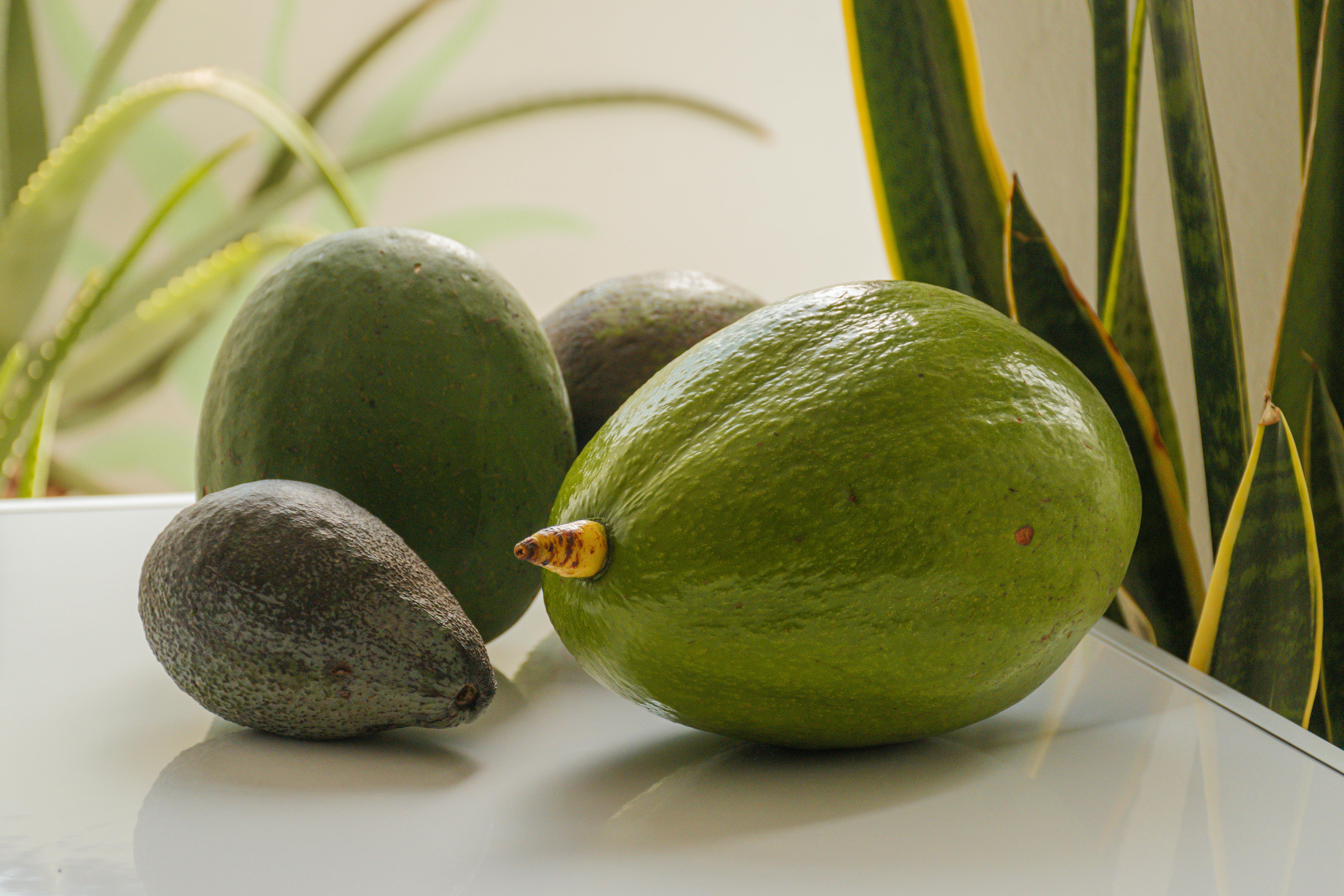
Avocados provide fiber and healthy fats that fit well into balanced meal plans.
10. Almonds
Almonds are a nutritious snack that provides fiber, healthy fats, protein, and important minerals. They can help increase satiety when eaten in moderation.
- Good source of fiber
- High in protein
- Healthy snack option
- Supports balanced nutrition
Comparison Table
| Food | Fiber | Best Benefit |
|---|---|---|
| Oats | ★★★★★ | Supports healthy glucose metabolism |
| Chia Seeds | ★★★★★ | Promotes fullness |
| Lentils | ★★★★★ | Fiber + Protein |
| Beans | ★★★★★ | Supports digestive health |
| Broccoli | ★★★★☆ | Low-carb vegetable |
| Apples | ★★★★☆ | Healthy snack |
| Berries | ★★★★☆ | Antioxidant support |
| Flaxseeds | ★★★★★ | Omega-3 + Fiber |
| Avocados | ★★★★☆ | Healthy fats |
| Almonds | ★★★★☆ | Protein & Fiber |

A balanced plate with vegetables, legumes, fruits, and whole grains provides natural dietary fiber.
Simple Ways to Add More Fiber to Your Diet
- Start your day with oatmeal instead of sugary cereals.
- Add chia or flaxseed to smoothies.
- Choose whole fruits instead of fruit juice.
- Replace white rice with beans or lentils several times a week.
- Snack on almonds instead of processed chips.
- Include vegetables with every meal.
Foods That May Reduce Fiber Intake
- Sugary breakfast cereals
- White bread
- White rice
- Sugary beverages
- Highly processed snacks
- Sweet desserts
Looking for Extra Fiber Support?
While whole foods should always come first, some people may find it difficult to meet their daily fiber needs through diet alone. In such cases, a quality fiber supplement made with ingredients like psyllium husk or inulin may complement a healthy eating plan.
If you'd like to compare a trusted option, check the official product page below.
Check Latest Price on Official Website
Disclosure: This page may contain affiliate links. If you purchase through these links, we may earn a small commission at no additional cost to you.
Frequently Asked Questions
Can high-fiber foods help lower blood sugar naturally?
High-fiber foods may help slow carbohydrate digestion and support healthy blood sugar levels when combined with a balanced diet and regular physical activity.
Which fruit is highest in fiber?
Raspberries, blackberries, pears, and apples are among the highest-fiber fruits commonly included in healthy eating plans.
Are oats good for people with diabetes?
Plain oats are rich in beta-glucan, a soluble fiber that can be part of a diabetes-friendly diet. Avoid flavored varieties with added sugars.
Can I eat nuts if I'm trying to manage blood sugar?
Yes, moderate portions of unsalted nuts like almonds can fit into many healthy eating patterns because they provide fiber, healthy fats, and protein.
Do I need a fiber supplement?
Many people can meet their fiber needs through food alone. If you're considering a supplement, consult your healthcare provider to determine what's appropriate for your individual needs.
Final Verdict
Including more high-fiber foods that help lower blood sugar naturally is one of the simplest ways to support your overall health. Oats, beans, lentils, berries, flaxseeds, avocados, broccoli, apples, almonds, and chia seeds all provide valuable fiber along with vitamins, minerals, and antioxidants.
For the best results, combine these foods with regular exercise, adequate sleep, stress management, and routine medical care. Small, consistent dietary improvements often have a greater long-term impact than short-term restrictive diets.
Medical Disclaimer
This article is for educational purposes only and should not be considered medical advice. Always consult a qualified healthcare professional before making significant dietary changes, especially if you have diabetes or any other medical condition.


0 Comments