
How to Read Food Labels for Better Blood Sugar Management
Choosing packaged foods can be confusing when you are trying to manage your blood sugar. Products labeled "healthy," "natural," or "sugar-free" may still contain carbohydrates that affect your blood glucose.
The good news is that you do not need to memorize every ingredient or avoid all packaged foods. Learning how to read a nutrition label can help you compare products, understand portion sizes, and make more informed food choices.
In this guide, you will learn how to check serving sizes, total carbohydrates, added sugars, dietary fiber, and ingredient lists when shopping for foods that fit your nutritional needs.

1. Start With the Serving Size
One of the first things to check on a nutrition label is the serving size. The calories, carbohydrates, sugars, and other nutrients listed on the label usually refer to that stated serving.
However, the amount you actually eat may be larger or smaller than the serving shown.
For example, imagine a packet lists the following information per serving:
- Total carbohydrates: 20 grams
- Added sugars: 5 grams
- Dietary fiber: 3 grams
If you eat two servings, you would consume 40 grams of total carbohydrates, 10 grams of added sugars, and 6 grams of dietary fiber.
This is why checking serving size matters. A product that appears low in carbohydrates per serving may contribute substantially more if you eat several servings.
2. Check Total Carbohydrates
Total carbohydrates are particularly important for people who monitor their blood glucose or manage diabetes.
Carbohydrates include sugars, starches, and dietary fiber. Many carbohydrate-containing foods are nutritious and can fit into a balanced eating pattern, but the amount consumed can influence blood glucose levels.
Common sources of carbohydrates include:
- Bread, rice, pasta, and breakfast cereals
- Milk and yogurt
- Fruit and fruit products
- Beans, lentils, and chickpeas
- Biscuits, sweets, and other snack foods
When comparing two similar products, check the total carbohydrate amount per serving and consider how much you normally eat.
Do not judge a food only by its sugar content. A product can contain little added sugar but still provide substantial carbohydrates from starch or other ingredients.
3. Understand Added Sugars
Added sugars are sugars added during food processing or preparation. They are different from the naturally occurring sugars found in foods such as plain milk and whole fruit.
Packaged foods may contain added sugars under different names, including:
- Sucrose
- Glucose syrup
- Corn syrup
- Dextrose
- Honey and other added sweeteners
These ingredients can contribute to the total sugar and carbohydrate content of a product.
Look at both the added sugar information, when provided, and the total carbohydrate amount. Neither figure should be interpreted in isolation from the serving size and the rest of your meal.
4. Look for Dietary Fiber
Dietary fiber is a type of carbohydrate that the body does not fully digest. Fiber-rich foods can support digestive health and may help improve overall meal quality.
Useful sources include whole grains, beans, lentils, nuts, seeds, vegetables, and fruit.
When choosing packaged foods, compare the fiber content of similar products. Whole-grain cereals and breads may provide more fiber than refined alternatives, although the amount varies by product.
Remember that fiber does not automatically make a food low in carbohydrates. A product can contain both fiber and a substantial amount of total carbohydrates.

5. Do Not Rely Only on Front-of-Package Claims
Words such as "natural," "multigrain," "light," and "sugar-free" can make a product sound healthier, but they do not tell you everything about its nutritional composition.
For example, a sugar-free biscuit may still contain starch and other carbohydrates. Similarly, a multigrain product is not necessarily made primarily from whole grains.
Instead of relying only on marketing claims, check the nutrition information panel and ingredient list.
Compare similar products using serving size, total carbohydrates, added sugars, dietary fiber, and other nutrients relevant to your health needs.
What to Remember So Far
When checking a packaged food label, start with the serving size, review total carbohydrates, check added sugars, and compare fiber content. These simple steps can help you make more informed choices without unnecessarily eliminating entire food groups.
4. Understand the Balanced Dinner Plate Method
A simple way to plan dinner is to divide your plate into sections. This method helps you include a variety of foods without needing to count every nutrient at every meal.
- Half the plate: Non-starchy vegetables such as broccoli, spinach, cabbage, cauliflower, or salad.
- One-quarter of the plate: A protein source such as fish, chicken, tofu, eggs, or an appropriate serving of beans or lentils.
- One-quarter of the plate: A carbohydrate-rich food such as whole grains, rice, or another suitable starchy food.
This is a general meal-planning guide, not a fixed prescription. Your ideal portions may differ depending on your activity level, medications, nutritional needs, and blood glucose targets.
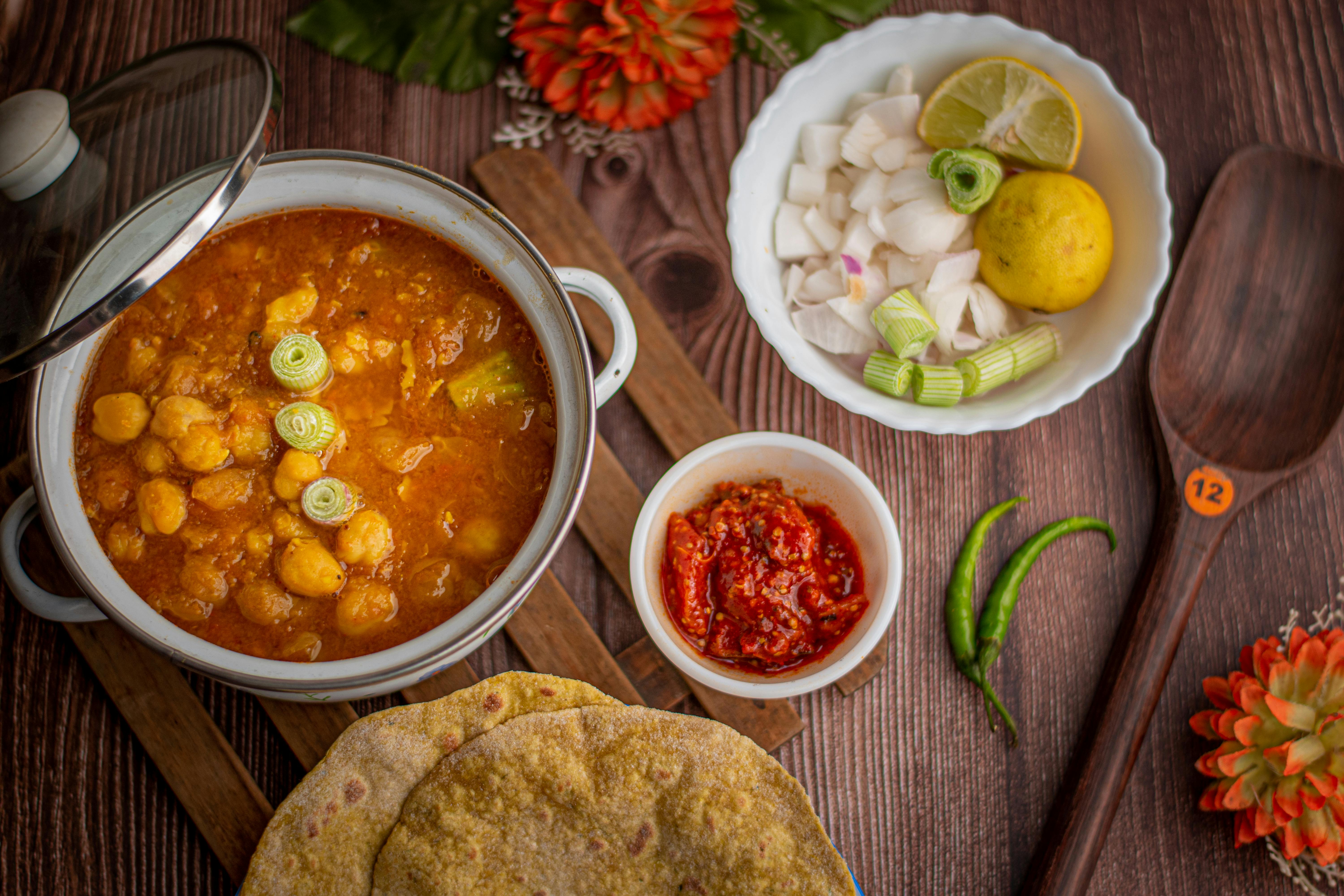
5. Try These Balanced Indian Dinner Ideas
You can build a balanced dinner using familiar foods. The important thing is to consider the combination and portion size of the foods on your plate.
Option 1: Roti, Dal, and Sabzi
Combine a suitable portion of whole-wheat roti with dal, a generous serving of non-starchy sabzi, and a fresh salad. Dal provides protein and fiber, while vegetables add variety and important nutrients.
Option 2: Vegetable Bowl With Chickpeas
Prepare a bowl with leafy greens, cucumber, tomatoes, other non-starchy vegetables, and chickpeas. Add plain yogurt or another suitable protein source if needed. Remember that chickpeas also contain carbohydrates, so portions still matter.
Option 3: Fish or Tofu With Vegetables
Serve grilled or baked fish, or tofu, with cooked vegetables and a moderate portion of brown rice or another grain. Use herbs, spices, and lemon for flavor instead of relying on heavy sauces.
Option 4: Vegetable Omelet With Whole-Grain Toast
An omelet made with eggs and vegetables can provide protein and other nutrients. Pair it with a suitable portion of whole-grain toast and additional vegetables for a more complete meal.
6. Avoid Common Evening Eating Mistakes
Small, realistic changes can make your evening meals more balanced. Focus on your overall eating pattern instead of worrying about one individual meal.
Eating Large Portions of Carbohydrates
Large servings of rice, roti, bread, or other carbohydrate-rich foods can contribute to a higher post-meal glucose rise. Try balancing your portions with vegetables and protein rather than removing carbohydrates completely.
Drinking Sugary Beverages With Dinner
Soft drinks, sweetened tea, packaged juices, and other sugary beverages can add substantial amounts of sugar. Water or an unsweetened beverage is generally a practical everyday choice.
Skipping Vegetables
A dinner made mostly of refined grains or other starchy foods may provide less fiber and variety. Include non-starchy vegetables regularly to help improve the nutritional balance of your meals.
Eating More Than You Need
Eating slowly and paying attention to hunger and fullness can help you make more comfortable portion choices. Individual energy needs vary, so avoid following extremely restrictive diets without appropriate professional guidance.
7. Does Dinner Timing Matter for Blood Sugar?
Meal timing can influence glucose patterns, and some people experience different responses to similar meals at different times of day. However, there is no single dinner time that is best for everyone.
Consider these practical habits:
- Maintain a reasonably consistent meal routine when possible.
- Avoid eating very large meals immediately before going to bed if they cause discomfort.
- Consider your work schedule, sleep routine, and individual glucose readings.
- If you use insulin or medicines that can cause low blood sugar, ask your healthcare professional how meal timing affects your treatment plan.
Do not change medication doses or skip meals prescribed as part of your diabetes management plan without consulting your healthcare professional.
8. A Simple Checklist for Your Next Dinner
Before serving dinner, use this quick checklist to review your meal:
- Have I included non-starchy vegetables?
- Does my meal contain a suitable protein source?
- Have I considered the portion of rice, roti, or other carbohydrates?
- Can I choose water or an unsweetened drink?
- Does this meal fit my personal dietary and medical needs?
You do not need to achieve perfection at every meal. Consistent, sustainable choices are generally more useful than short-term, overly restrictive changes.
Related Articles You May Find Helpful
Explore these related guides for more practical information about food choices and blood sugar management.
Helpful Tools for Smarter Food Choices
Want to make grocery shopping easier? A digital kitchen scale or a simple food nutrition guide may help you understand portion sizes and compare the foods you buy.
If you find these tools useful, you can explore the options below and choose what best suits your needs.
Explore a Helpful Nutrition Tool
Frequently Asked Questions
What is a good dinner for people concerned about blood sugar?
A balanced dinner may include non-starchy vegetables, a suitable protein source, and a moderate portion of carbohydrate-rich food. Individual needs vary, especially for people taking glucose-lowering medication.
Should I stop eating rice or roti at dinner?
Not necessarily. Rice and roti can fit into a balanced eating pattern. Consider portion size, food quality, and the combination of foods in the meal.
Are vegetables enough to prevent a blood sugar spike?
No single food guarantees that blood glucose will remain within a particular range. The overall meal, carbohydrate intake, medication, activity, and individual physiology all matter.
Should people with diabetes eat dinner at a specific time?
There is no universal dinner time for everyone. People using insulin or medicines that can cause hypoglycemia should discuss appropriate meal timing with their healthcare professional.
Final Thoughts
Building a balanced dinner does not have to be complicated. Start with non-starchy vegetables, include a suitable protein source, and choose an appropriate portion of carbohydrate-rich foods.
Small changes to your everyday meals can help you develop a more balanced eating pattern. If you have diabetes, use your healthcare professional's advice and your own glucose monitoring results to determine which meals and portions work best for you.
Medical Disclaimer
This article is for educational purposes only and is not a substitute for individualized medical advice, diagnosis, or treatment. Consult a qualified healthcare professional before making significant dietary changes, particularly if you have diabetes, kidney disease, or take medication that can cause low blood sugar.


0 Comments