
Why You're Not Losing Weight on a Calorie Deficit (7 Hidden Reasons) – 2026 Guide
not losing weight on calorie deficit
You've been counting calories, eating smaller portions, avoiding junk food, and even exercising regularly—but the scale refuses to move. If this sounds familiar, you're not alone. One of the most searched questions in the weight loss world is "Why am I not losing weight on a calorie deficit?"
The truth is, being in a calorie deficit is essential for fat loss, but many hidden factors can slow or completely stall your progress. Hormones, inaccurate calorie tracking, poor sleep, stress, low protein intake, and even water retention can all make it seem like your diet isn't working.
In this guide from FitGlucoseHub, you'll discover the 7 hidden reasons you're not losing weight on a calorie deficit, practical solutions backed by nutrition science, and simple habits that can help restart healthy fat loss.

What Is a Calorie Deficit?
A calorie deficit happens when you consume fewer calories than your body burns throughout the day. Your body then uses stored energy—including body fat—to make up the difference.
For example, if your body burns 2,200 calories daily and you eat 1,800 calories, you create a 400-calorie deficit. Over time, this usually leads to fat loss.
However, many people assume that simply eating less guarantees weight loss. In reality, several biological and lifestyle factors influence how efficiently your body burns fat.
Signs You're Actually in a Healthy Calorie Deficit
- Steady energy levels
- Gradual weight loss (0.5–2 pounds per week)
- Reduced body measurements over time
- Improved fitness performance
- Better eating habits without extreme hunger
Hidden Reason 1 – You're Eating More Calories Than You Think
The most common reason people are not losing weight on a calorie deficit is that they aren't actually in one.
Many foods contain more calories than expected. Cooking oils, sauces, flavored coffee, healthy snacks, nuts, peanut butter, and beverages can quickly increase your daily calorie intake.
Research shows that people often underestimate their calorie intake while overestimating the calories they burn through exercise.
How to Fix It
- Use a digital food scale.
- Track everything you eat and drink.
- Measure cooking oil instead of pouring freely.
- Read nutrition labels carefully.
- Don't forget liquid calories.
Hidden Reason 2 – Water Retention Is Hiding Fat Loss
Sometimes you're actually losing body fat, but temporary water retention hides the progress on the scale.
Your body can retain extra water because of:
- High sodium intake
- Hormonal changes
- Stress
- Poor sleep
- Starting a new workout program
- Eating more carbohydrates than usual
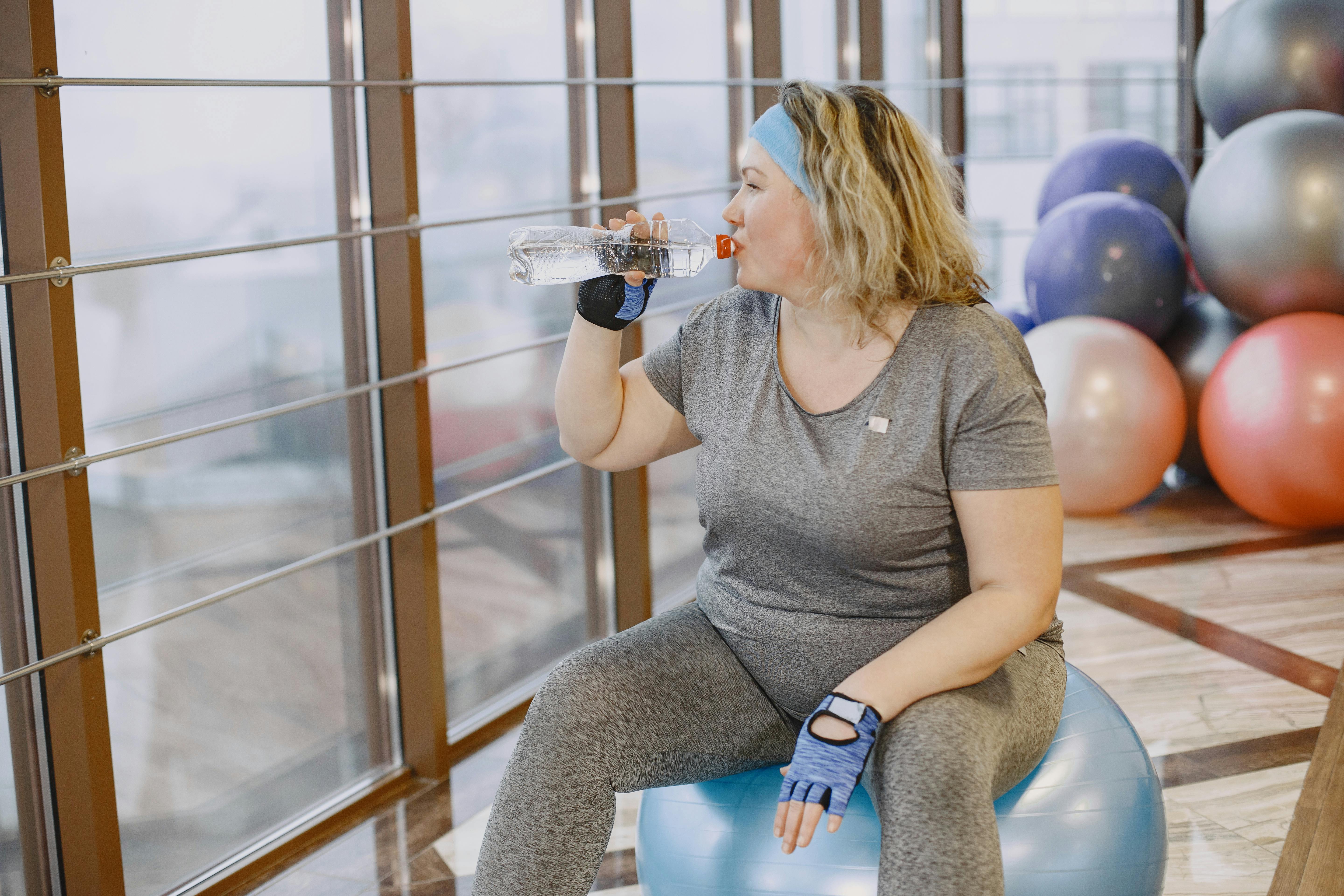
This is why experts recommend tracking your weight over several weeks instead of focusing on daily fluctuations.
Hidden Reason 3 – You're Not Eating Enough Protein
Protein plays a major role in successful weight loss. It helps preserve muscle mass, increases fullness, and requires more energy to digest than carbohydrates or fats.
If your meals are mostly refined carbohydrates with very little protein, you may feel hungry more often, snack frequently, and lose muscle instead of fat.
High-Protein Foods
- Chicken breast
- Turkey
- Fish
- Eggs
- Greek yogurt
- Low-fat cottage cheese
- Tofu
- Beans and lentils
Aim to include a quality protein source with every meal.
Hidden Reason 4 – Poor Sleep Is Affecting Your Metabolism
Sleep is one of the most overlooked parts of healthy weight loss.
Regularly sleeping less than 7 hours can affect hormones that regulate hunger and fullness. Poor sleep may increase cravings for sugary and high-calorie foods while reducing motivation to exercise.
Adults should aim for 7–9 hours of quality sleep each night whenever possible.
Better Sleep Tips
- Go to bed at the same time daily.
- Avoid screens before bedtime.
- Limit caffeine late in the day.
- Keep your bedroom cool and dark.
- Develop a relaxing bedtime routine.
Quick Checklist
If your weight has stopped decreasing, ask yourself:
- ✔ Am I accurately tracking my calories?
- ✔ Am I eating enough protein?
- ✔ Am I drinking enough water?
- ✔ Am I getting quality sleep?
- ✔ Could water retention be masking my progress?
Related Articles You May Find Helpful
Hidden Reason 5 – Stress Hormones May Be Slowing Fat Loss
Chronic stress doesn't directly stop fat loss, but it can make weight management much more difficult. When you're under constant stress, your body releases cortisol, a hormone that may increase appetite, encourage emotional eating, and contribute to storing fat around the abdomen.
If you're following a calorie deficit but frequently feel stressed, anxious, or overwhelmed, your eating habits and recovery may suffer even if your calorie intake appears to be under control.
How to Manage Stress
- Walk outdoors for 20–30 minutes.
- Practice deep breathing or meditation.
- Reduce screen time before bed.
- Spend time with family or friends.
- Prioritize quality sleep every night.
Hidden Reason 6 – You're Burning Fewer Calories Than Before
As you lose weight, your body naturally requires fewer calories to perform daily activities. This process, sometimes called metabolic adaptation, is completely normal.
For example, if you lose 20 pounds, your body burns fewer calories than it did at your starting weight. A calorie target that worked several months ago may no longer create the same calorie deficit.
This doesn't mean your metabolism is "broken." It simply means your nutrition and activity plan may need small adjustments.
What You Can Do
- Review your calorie intake every few months.
- Increase daily walking.
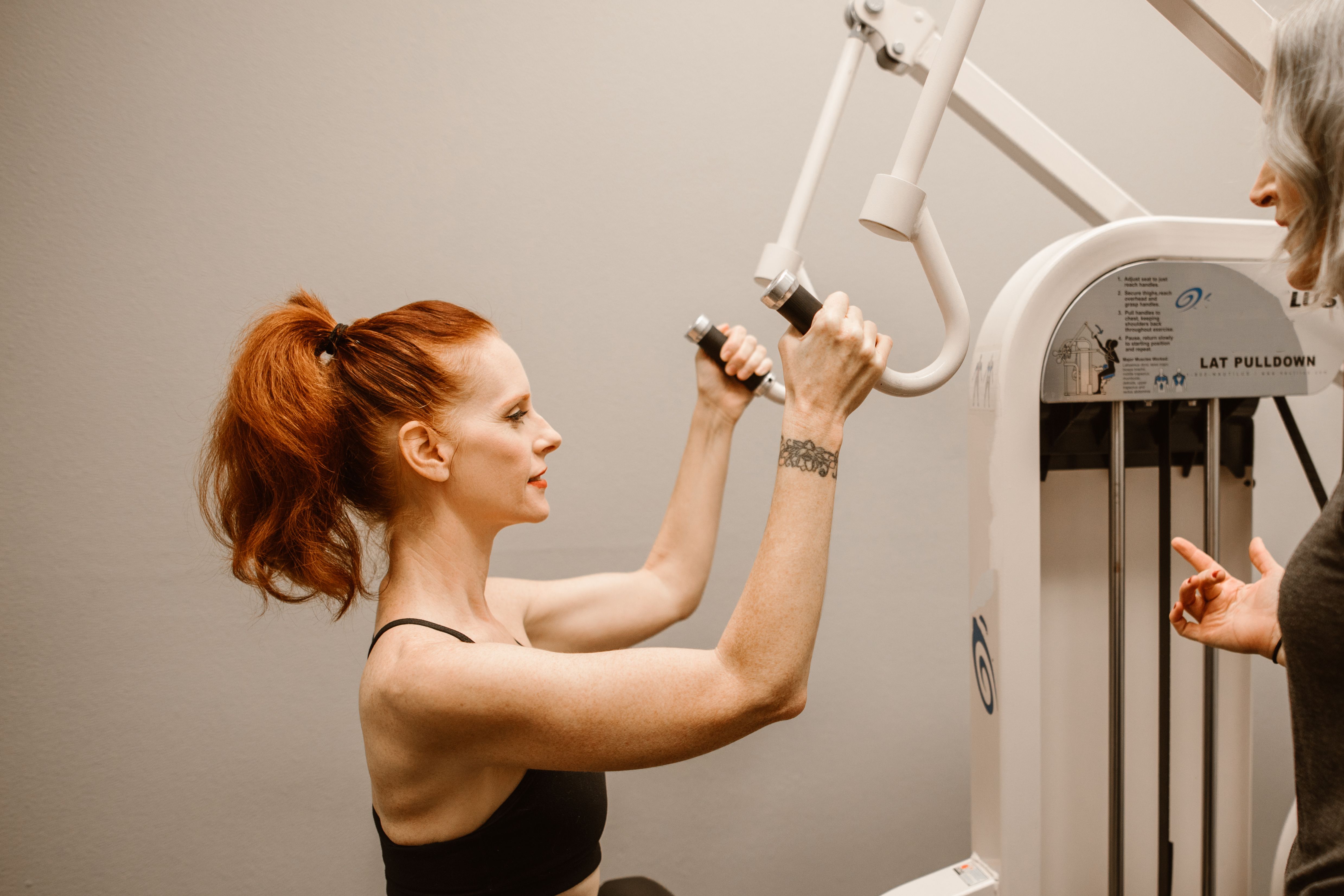
- Include strength training 2–4 times each week.
- Stay physically active throughout the day.
Hidden Reason 7 – You're Expecting Results Too Quickly
Healthy fat loss takes time. Social media often creates unrealistic expectations, leading many people to believe they should lose weight every single week.
In reality, body weight naturally fluctuates because of hydration, digestion, hormones, and sodium intake. Looking only at the number on the scale can be misleading.
Instead, monitor:
- Waist measurements
- Progress photos
- How your clothes fit
- Energy levels
- Exercise performance
These indicators often improve before the scale changes significantly.
How to Break a Weight Loss Plateau
If you've been stuck for several weeks, try these science-based strategies:
- Increase your daily protein intake.
- Track portion sizes more accurately.
- Add resistance training.
- Walk 8,000–10,000 steps daily.
- Drink more water.
- Sleep at least 7 hours each night.
- Reduce sugary drinks and processed snacks.
- Be patient and stay consistent.
Sample One-Day Fat Loss Meal Plan
Breakfast
- Vegetable omelet
- Whole-grain toast
- Black coffee or green tea
Morning Snack
- Greek yogurt with berries
Lunch
- Grilled chicken breast
- Mixed salad
- Quinoa
Afternoon Snack
- Apple with almond butter
Dinner
- Baked salmon
- Steamed broccoli
- Roasted vegetables
Daily Habits That Support Healthy Weight Loss
- Eat protein with every meal.
- Choose whole foods most of the time.
- Drink plenty of water.
- Walk after meals whenever possible.
- Strength train regularly.
- Manage stress.
- Sleep consistently.
- Track progress weekly instead of daily.

Continue Your Weight Loss Journey
Want to lose weight in a healthy and sustainable way? These helpful guides from FitGlucoseHub can support your progress:
- Best High Protein Breakfast Ideas for Weight Loss
- Best Morning Drinks for Weight Loss
- 10 Foods That Reduce Sugar Cravings Naturally
- Healthy Weight Loss Diet Plan for Beginners
Some readers also choose to support their healthy eating and exercise routine with a natural metabolism support supplement. If you'd like to explore one, check out our recommended option below.
Frequently Asked Questions
Why am I not losing weight even though I'm eating less?
You may be underestimating your calorie intake, retaining water, sleeping poorly, experiencing stress, or needing to adjust your calorie target as your weight changes.
Can stress stop weight loss?
Stress can influence appetite, food choices, and recovery, making it more challenging to maintain healthy habits that support fat loss.
Should I eat fewer calories if my weight has plateaued?
Not always. First review your food tracking, activity level, sleep, and protein intake. Making very large calorie cuts is generally not recommended.
How much weight loss is considered healthy?
For many adults, losing about 0.5–2 pounds (0.2–0.9 kg) per week is considered a sustainable pace, though individual results vary.
Is strength training necessary for weight loss?
Strength training helps preserve muscle, supports metabolism, and improves body composition, making it a valuable part of most weight loss plans.
Final Thoughts
If you're not losing weight on a calorie deficit, don't assume you've failed. Weight loss is influenced by more than calories alone. Factors like sleep, stress, hydration, protein intake, activity levels, and consistency all play important roles.
Focus on building habits you can maintain for the long term instead of chasing quick results. Small improvements made consistently often lead to the biggest changes over time.
Medical Disclaimer
This article is for educational purposes only and is not a substitute for professional medical advice. Consult your healthcare provider or a registered dietitian before making significant changes to your diet, exercise routine, or weight management plan, especially if you have an underlying medical condition.


0 Comments