
7-Day Insulin Resistance Diet Plan for Beginners (2026)
7 day insulin resistance diet plan
If you've been struggling with stubborn belly fat, constant hunger, low energy, or blood sugar spikes after meals, there's a good chance insulin resistance could be part of the problem. Millions of adults develop insulin resistance years before being diagnosed with prediabetes or type 2 diabetes, making early lifestyle changes one of the most effective ways to improve long-term health.
This complete 7 day insulin resistance diet plan is designed specifically for beginners. Instead of following extreme diets or cutting out entire food groups, you'll learn how to build balanced meals that naturally support healthy insulin function, improve metabolism, and promote sustainable weight loss.
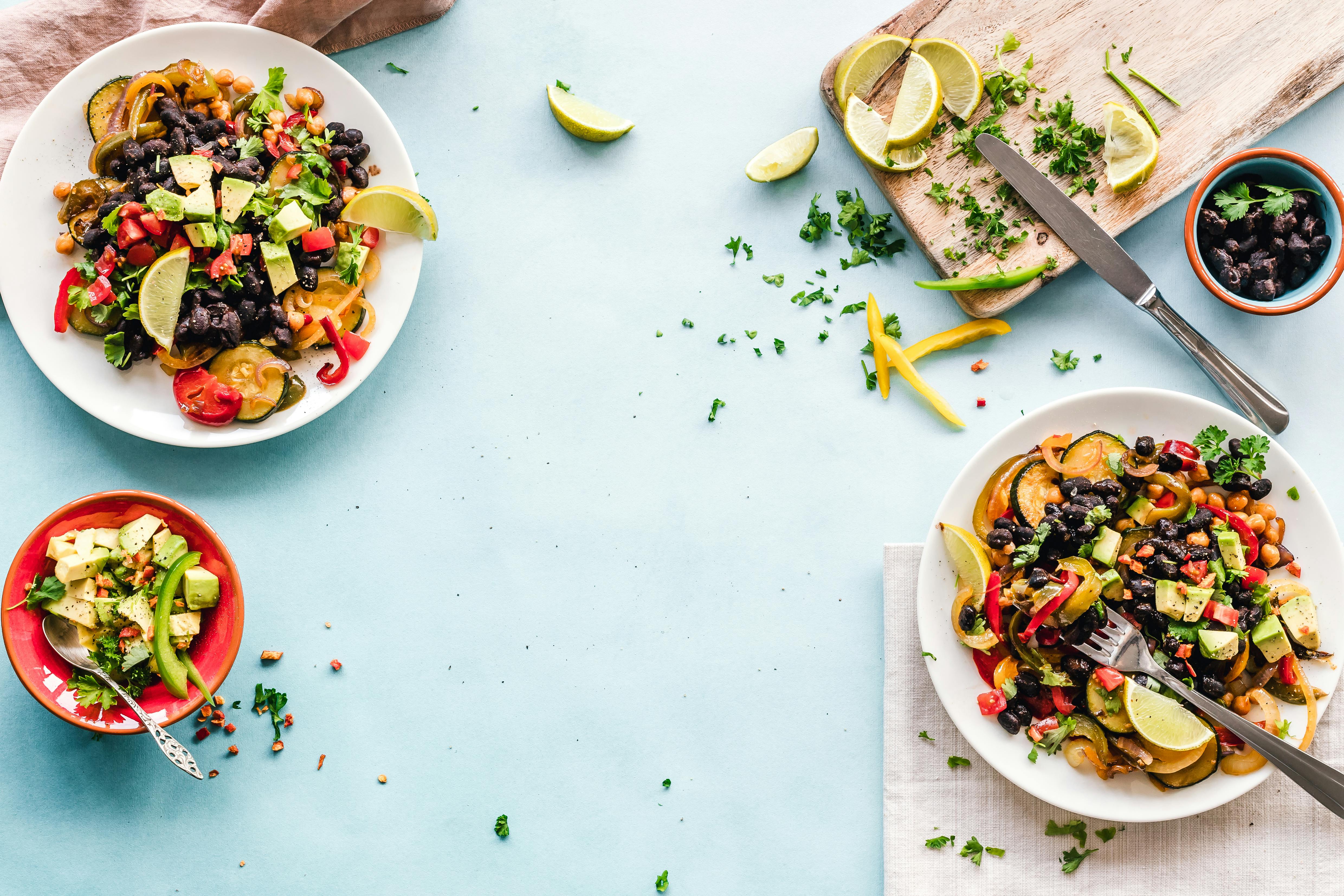
Healthy foods that help improve insulin sensitivity.
Throughout this guide, you'll also discover:
- ✔ Foods that improve insulin sensitivity
- ✔ Foods that increase insulin resistance
- ✔ Beginner-friendly meal planning tips
- ✔ Smart grocery shopping advice
- ✔ Sustainable weight-loss strategies
At FitGlucoseHub, our goal is to provide science-based nutrition information that's easy to follow and practical for everyday life.
What Is Insulin Resistance?
Insulin resistance occurs when your body's cells stop responding efficiently to insulin, the hormone responsible for moving glucose from your bloodstream into your cells for energy.
When this happens, your pancreas produces more insulin to compensate. Over time, insulin levels remain elevated, making it harder to burn stored body fat while increasing the risk of:
- Prediabetes
- Type 2 diabetes
- Weight gain
- High triglycerides
- Fatty liver disease
- Heart disease
The encouraging news is that insulin resistance often improves significantly through dietary changes, regular physical activity, better sleep, and stress management.
Why Diet Matters
Every meal influences your blood sugar and insulin levels. A diet rich in refined carbohydrates and sugary beverages forces the body to produce larger amounts of insulin. In contrast, meals that combine lean protein, healthy fats, high-fiber vegetables, and whole grains help maintain steadier blood sugar levels and reduce insulin demand.
That's why following a structured 7 day insulin resistance diet plan can be a powerful first step toward improving metabolic health.
Common Signs You May Have Insulin Resistance
Many people have insulin resistance without realizing it because symptoms often develop gradually. If you notice several of the following signs, it may be worth discussing them with your healthcare provider.
- Frequent sugar cravings
- Constant hunger after meals
- Difficulty losing weight
- Excess belly fat
- Feeling tired after eating
- Dark patches of skin around the neck or underarms
- Brain fog
- High fasting blood sugar
- Elevated triglycerides
Common warning signs of insulin resistance.
Who Is at Higher Risk?
- Adults over 35
- People with obesity
- Individuals with a family history of diabetes
- Women with PCOS
- People with high blood pressure
- Those who spend long hours sitting
Even if you haven't been diagnosed with diabetes, improving your eating habits today can help reduce future health risks.
Best Foods to Eat for Insulin Resistance
The goal isn't to eliminate carbohydrates completely. Instead, focus on foods that digest slowly, provide lasting energy, and minimize large blood sugar spikes.
1. High-Fiber Vegetables
- Broccoli
- Spinach
- Cauliflower
- Zucchini
- Cucumber
- Bell peppers
- Green beans
These vegetables are naturally low in calories but rich in fiber, vitamins, and antioxidants, making them excellent choices for improving insulin sensitivity.
2. Lean Protein
- Chicken breast
- Turkey
- Fish
- Eggs
- Greek yogurt
- Tofu
- Lentils
Protein helps reduce hunger, supports muscle maintenance, and slows the absorption of carbohydrates.
3. Healthy Fats
- Avocados
- Olive oil
- Almonds
- Walnuts
- Chia seeds
- Flaxseeds
- Pumpkin seeds
Healthy fats contribute to satiety and help create balanced meals that stabilize blood sugar.
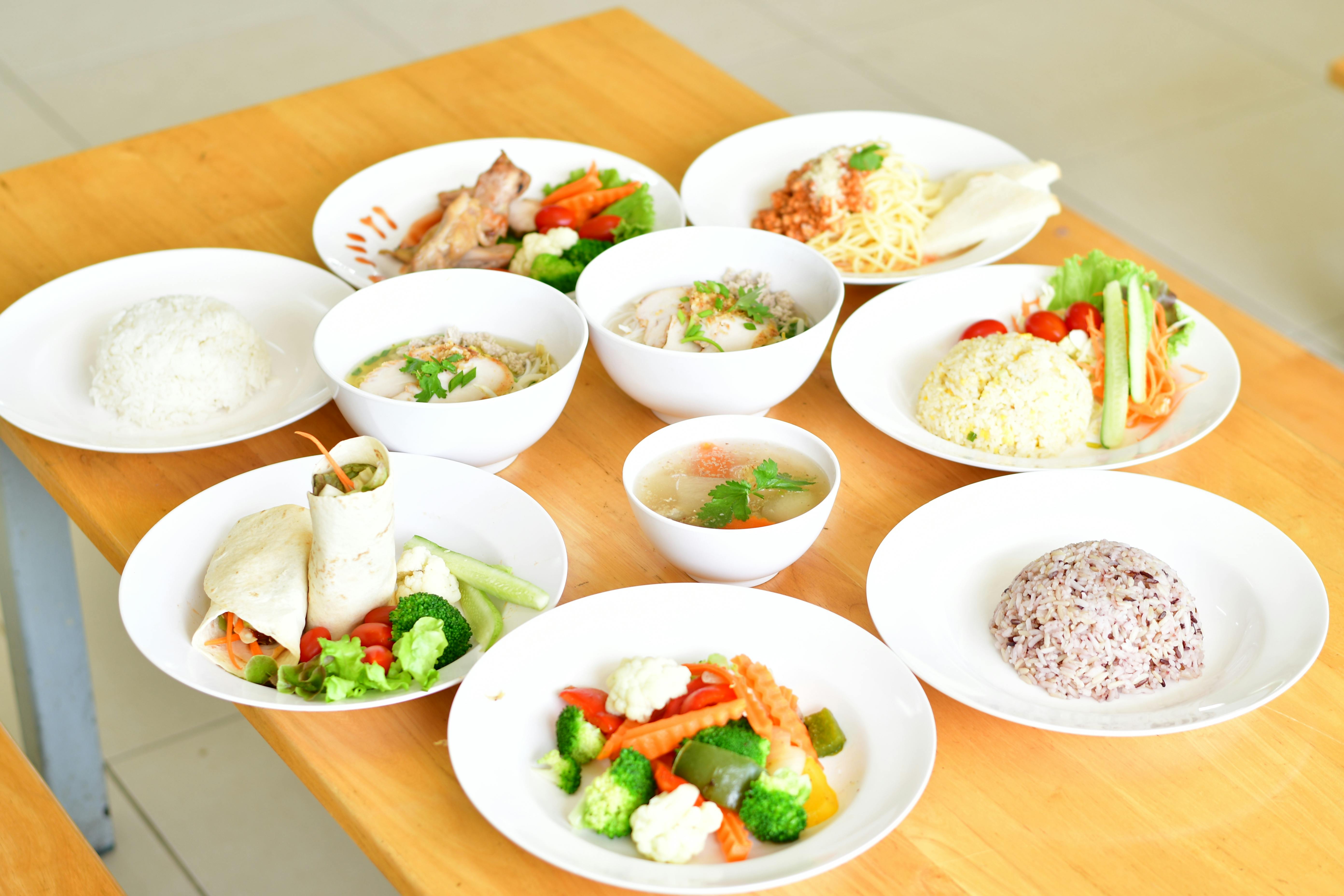
Fiber-rich vegetables, lean protein, and healthy fats.
4. Low-Glycemic Fruits
- Berries
- Apples
- Pears
- Kiwi
- Oranges
These fruits contain fiber and nutrients that make them a better choice than sugary desserts or fruit juices.
5. Whole Grains
- Steel-cut oats
- Quinoa
- Brown rice
- Barley
- Buckwheat
Choose moderate portions and pair them with protein to slow glucose absorption.
Foods to Limit or Avoid
Certain foods can cause rapid increases in blood sugar and insulin levels. Reducing these foods doesn't mean perfection—it means making healthier choices more often.
- Sugary soft drinks
- Sweetened coffee beverages
- Candy
- Cookies
- Pastries
- White bread
- White rice (large portions)
- French fries
- Highly processed snacks
- Sugary breakfast cereals
Instead of eliminating favorite foods forever, try replacing them with healthier alternatives most of the time. Small, consistent changes are easier to maintain and often lead to better long-term results.
Healthy Eating Tips Before Starting the 7-Day Plan
- Drink plenty of water throughout the day.
- Include protein with every meal.
- Fill half your plate with non-starchy vegetables.
- Choose whole foods whenever possible.
- Avoid skipping breakfast if it leads to overeating later.
- Aim for a 10–20 minute walk after meals to support healthy blood sugar.
Related Reading: You can also explore our articles on Best Foods That Improve Insulin Sensitivity, Best Bedtime Snacks for Better Blood Sugar, and Can You Reverse Prediabetes in 3 Months? for additional guidance on improving metabolic health.
Complete 7-Day Insulin Resistance Diet Plan
The following 7 day insulin resistance diet plan focuses on balanced meals that combine lean protein, fiber-rich vegetables, healthy fats, and complex carbohydrates. The goal is to keep blood sugar stable while helping improve insulin sensitivity.

Healthy weekly meal planning for insulin resistance.
Day 1
Breakfast
- Vegetable omelet (2 eggs)
- 1 slice whole-grain toast
- Unsweetened green tea
Lunch
- Grilled chicken breast
- Mixed salad with olive oil
- Small serving of quinoa
Snack
- Handful of almonds
Dinner
- Baked salmon
- Steamed broccoli
- Cauliflower mash
Day 2
Breakfast
- Greek yogurt
- Blueberries
- Chia seeds
Lunch
- Turkey lettuce wraps
- Cucumber salad
Snack
- Apple with peanut butter
Dinner
- Grilled shrimp
- Roasted vegetables
Day 3
- Breakfast: Oatmeal with walnuts and cinnamon
- Lunch: Lentil soup with mixed vegetables
- Snack: Cottage cheese
- Dinner: Grilled chicken with spinach salad
Day 4
- Breakfast: Smoothie with spinach, berries, protein, and flaxseed
- Lunch: Tuna salad
- Snack: Mixed nuts
- Dinner: Turkey meatballs with roasted zucchini
Day 5
- Breakfast: Scrambled eggs with avocado
- Lunch: Grilled fish with vegetables
- Snack: Pear
- Dinner: Chicken stir-fry with broccoli and bell peppers
Day 6
- Breakfast: Cottage cheese with berries
- Lunch: Chickpea salad
- Snack: Pumpkin seeds
- Dinner: Grilled turkey with asparagus
Day 7
- Breakfast: Vegetable omelet
- Lunch: Quinoa salad with grilled chicken
- Snack: Walnuts
- Dinner: Baked salmon with steamed green beans
Smart Grocery Shopping List
Protein
- Chicken breast
- Turkey
- Eggs
- Greek yogurt
- Fish
- Salmon
- Shrimp
- Tofu
Vegetables
- Spinach
- Broccoli
- Cauliflower
- Cucumber
- Bell peppers
- Zucchini
- Lettuce
- Asparagus
Healthy Carbohydrates
- Quinoa
- Steel-cut oats
- Brown rice
- Sweet potatoes
Healthy Fats
- Olive oil
- Avocados
- Walnuts
- Almonds
- Chia seeds
- Flaxseeds
Healthy Snack Ideas
- Boiled eggs
- Greek yogurt
- Mixed nuts
- Apple slices with peanut butter
- Cottage cheese
- Carrot sticks with hummus
- Pumpkin seeds
- Fresh berries
Common Mistakes to Avoid
- Skipping meals
- Drinking sugary beverages
- Eating large portions of refined carbohydrates
- Ignoring protein intake
- Not drinking enough water
- Getting too little sleep
- Remaining inactive after meals
Even a short 10–20 minute walk after eating may help improve blood sugar response and support better insulin sensitivity.
Frequently Asked Questions
Can insulin resistance be reversed?
Many people can significantly improve insulin resistance through healthy eating, regular exercise, weight loss, stress management, and quality sleep. Results vary depending on individual health conditions.
How long does it take to improve insulin resistance?
Some people notice improvements in energy levels and blood sugar within several weeks, while meaningful metabolic changes often take several months of consistent healthy habits.
Can I eat fruit?
Yes. Choose fiber-rich fruits like berries, apples, pears, and oranges while paying attention to portion sizes.
Is walking good for insulin resistance?
Yes. Walking after meals is one of the easiest ways to support healthy blood sugar levels and improve insulin sensitivity.
Should I avoid all carbohydrates?
No. Instead of eliminating carbohydrates, focus on whole grains, vegetables, legumes, and other high-fiber sources while limiting refined and sugary foods.
Final Thoughts
Following this 7 day insulin resistance diet plan is an excellent starting point for improving metabolic health. Rather than relying on restrictive diets, aim to build sustainable habits that include balanced meals, regular movement, quality sleep, and stress management.
Consistency matters far more than perfection. Small daily improvements—such as choosing whole foods, eating enough protein, and staying active—can lead to better blood sugar control and support long-term weight management.
Continue Your Blood Sugar Journey
If you're working on improving insulin resistance, these guides from FitGlucoseHub can help you take the next step:
- Best Foods That Improve Insulin Sensitivity
- Best Bedtime Snacks for Better Blood Sugar
- Can You Reverse Prediabetes in 3 Months?
- Why Walking After Meals Helps Lower Blood Sugar
Some readers also choose to combine a healthy diet with a natural blood sugar support supplement. If you'd like to learn more, you can read our trusted recommendation below.
Medical Disclaimer
This article is intended for educational purposes only and should not be considered medical advice. Always consult a qualified healthcare professional before making changes to your diet, exercise routine, medications, or supplements, especially if you have diabetes, prediabetes, or other medical conditions.


0 Comments