
Prediabetes Symptoms Most People Ignore: 9 Early Warning Signs You Should Know (2026 Guide)
Millions of people live with prediabetes without realizing it. In many cases, the warning signs appear years before a diagnosis of Type 2 diabetes. Recognizing these symptoms early can help you make lifestyle changes that support healthier blood sugar levels.
In this FitGlucoseHub guide, you'll learn the most common prediabetes symptoms, why they happen, and practical ways to support healthy glucose metabolism naturally.
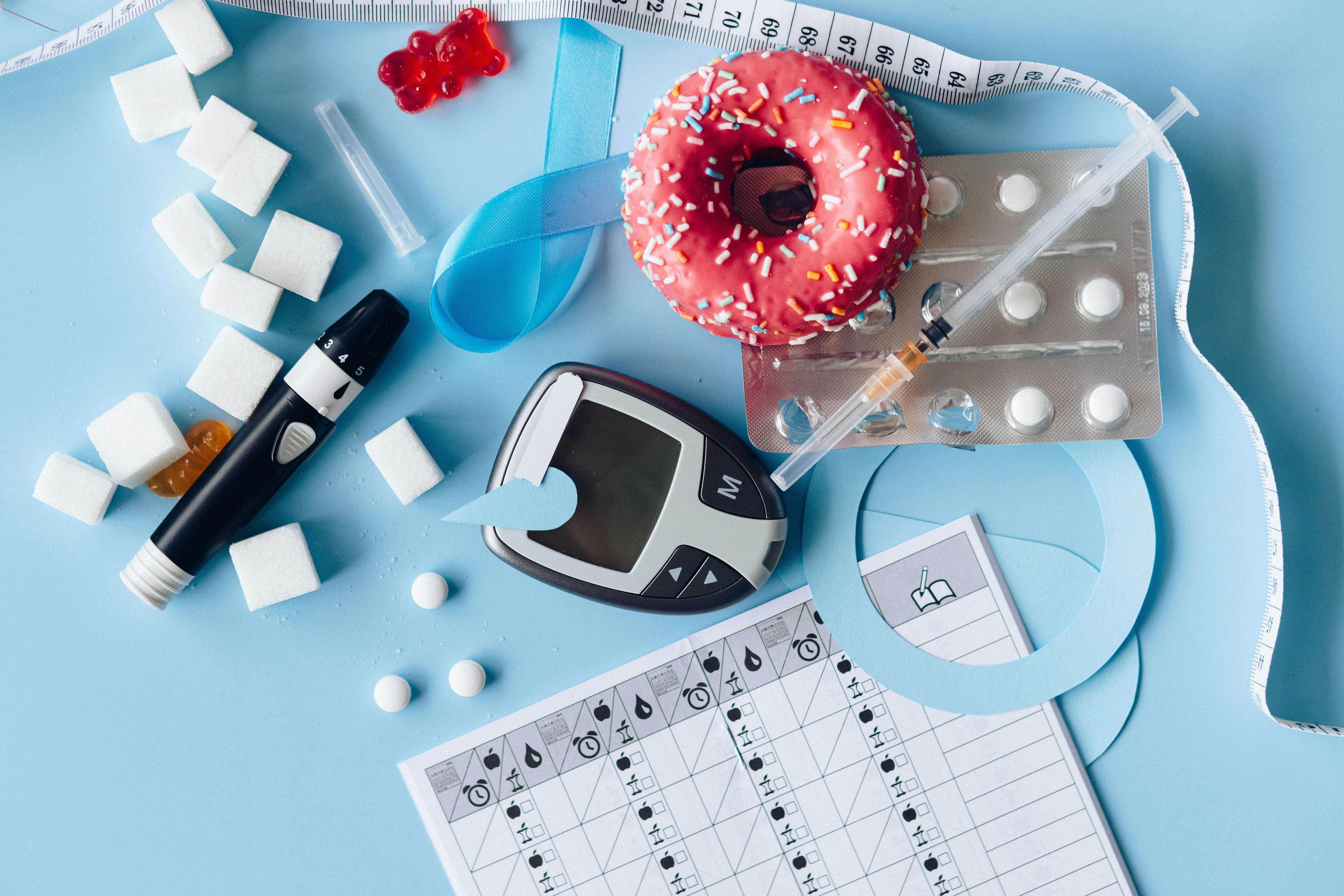
Table of Contents
- What Is Prediabetes?
- Quick Symptoms Overview
- 1. Constant Fatigue
- 2. Increased Hunger
- 3. Frequent Thirst
- 4. Frequent Urination
- 5. Blurred Vision
- 6. Dark Skin Patches
- 7. Slow Healing Wounds
- 8. Weight Gain Around the Waist
- 9. Brain Fog
- Who Is Most at Risk?
- Natural Blood Sugar Support Tips
- FAQs
What Is Prediabetes?
Prediabetes occurs when blood sugar levels are higher than normal but not yet high enough for a Type 2 diabetes diagnosis.
This condition is often linked with insulin resistance, where the body's cells become less responsive to insulin. As a result, glucose begins building up in the bloodstream.
Many people searching for how to know if you have prediabetes are surprised to learn that symptoms may be subtle and easy to overlook.
Quick Overview of Prediabetes Symptoms
| Symptom | Possible Cause |
|---|---|
| Fatigue | Poor glucose utilization |
| Increased Hunger | Insulin resistance |
| Frequent Thirst | Elevated blood sugar |
| Frequent Urination | Kidneys removing excess glucose |
| Blurred Vision | Blood sugar fluctuations |
| Dark Skin Patches | Insulin resistance |
| Slow Healing | Poor circulation |
| Belly Fat | Hormonal imbalance |
| Brain Fog | Glucose instability |
1. Constant Fatigue
One of the most common early signs of prediabetes is ongoing fatigue.
Even after getting enough sleep, many people feel physically and mentally exhausted throughout the day.
When cells become resistant to insulin, glucose cannot efficiently enter the cells to be used as energy.
- Low energy levels
- Afternoon crashes
- Difficulty concentrating
- Lack of motivation
Best Article 11 Early Signs of Insulin Resistance You Should Never Ignore
2. Increased Hunger
Do you often feel hungry shortly after eating?
Persistent hunger may occur because glucose remains in the bloodstream instead of entering cells effectively.
As a result, the body signals that it needs more energy, leading to increased appetite.
- Frequent snacking
- Cravings for carbohydrates
- Difficulty feeling satisfied after meals
- Overeating despite adequate calorie intake

3. Frequent Thirst
Another overlooked prediabetes symptom in adults is excessive thirst.
When blood sugar levels rise, the body attempts to dilute excess glucose by drawing water from tissues.
This can leave you feeling thirsty even after drinking fluids.
- Dry mouth
- Persistent thirst
- Increased water intake
- Nighttime thirst
Many individuals looking for warning signs of high blood sugar before diabetes notice unusual thirst before receiving a diagnosis.
4. Frequent Urination
Frequent urination often accompanies increased thirst.
The kidneys work harder to remove excess glucose from the bloodstream, causing more trips to the bathroom.
- Frequent daytime urination
- Waking at night to urinate
- Increased urine volume
- Dehydration symptoms
This symptom may be especially noticeable when blood sugar remains elevated for extended periods.
5. Blurred Vision
Many people do not associate vision changes with blood sugar problems, but blurred vision can be one of the early warning signs of prediabetes.
When blood sugar levels fluctuate, fluid shifts can affect the eye's lens and temporarily change your ability to focus.
- Occasional blurry vision
- Difficulty focusing on screens
- Eye strain
- Vision changes throughout the day
If blurred vision occurs frequently, it is important to discuss it with a healthcare professional.
6. Dark Skin Patches (Acanthosis Nigricans)
One of the most visible signs of insulin resistance and prediabetes is the appearance of dark, velvety skin patches.
These patches commonly develop around:
- Neck
- Armpits
- Elbows
- Knuckles
- Groin area
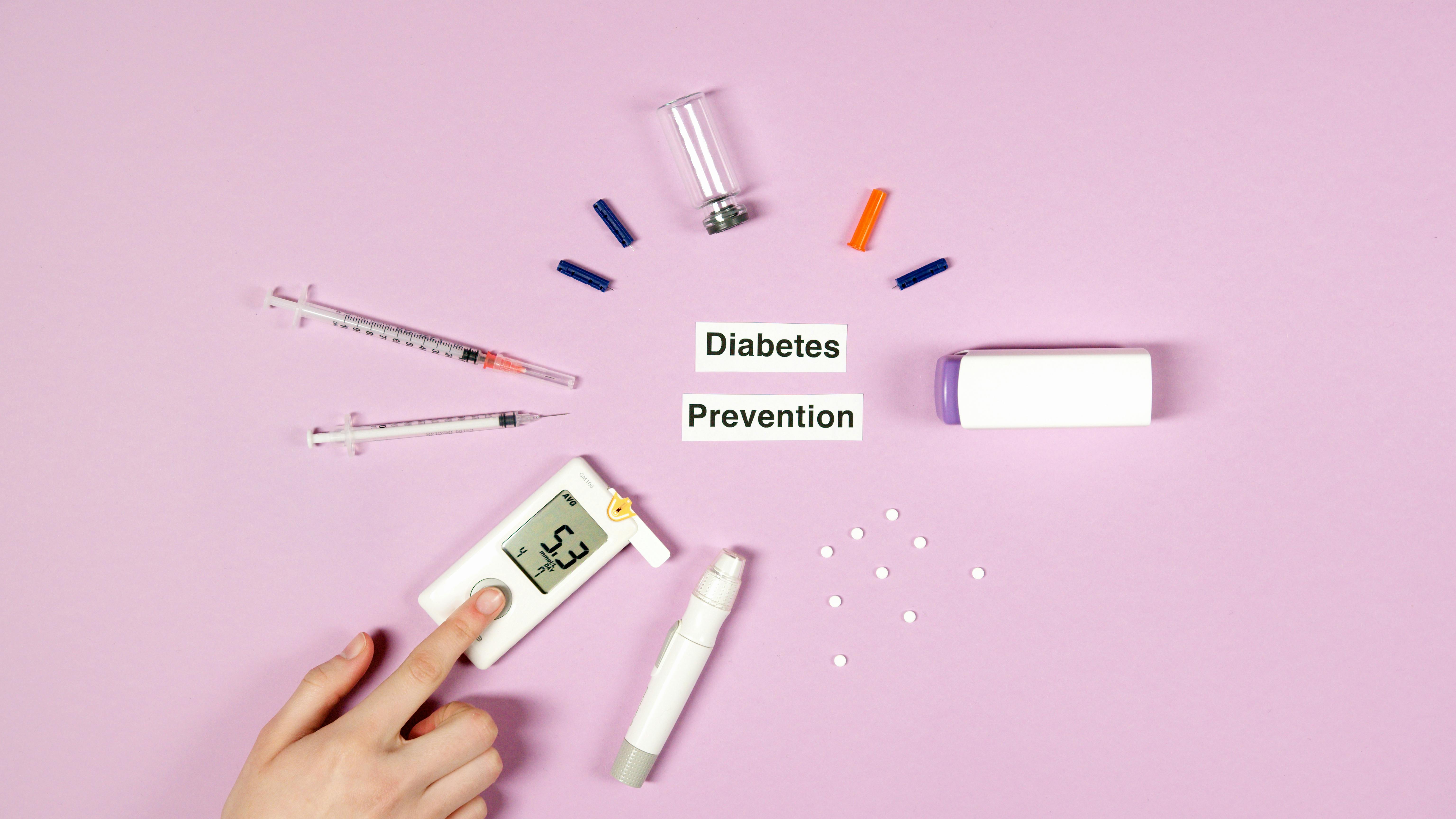
Many people overlook these changes as normal skin discoloration, but they may indicate elevated insulin levels.
Fitglucosehub: 11 Early Signs of Insulin Resistance You Should Never Ignore
7. Slow Healing Cuts and Wounds
Have you noticed that small cuts, scratches, or bruises seem to take longer to heal?
High blood sugar can affect circulation and the body's natural healing processes.
This symptom may develop gradually and often goes unnoticed until healing becomes noticeably slower than usual.
- Slow wound healing
- Frequent skin infections
- Long-lasting bruises
- Delayed recovery from minor injuries
8. Weight Gain Around the Waist
Excess abdominal fat is strongly associated with prediabetes symptoms in adults.
Insulin resistance can encourage the body to store more fat around the waistline.
Even people who exercise regularly may notice increasing belly fat despite maintaining similar eating habits.
- Growing waist circumference
- Difficulty losing abdominal fat
- Increased cravings
- Weight gain despite healthy habits
Fitglucosehub Related Article Why Am I Not Losing Weight on a Calorie Deficit? 7 Hidden Reasons
9. Brain Fog and Difficulty Concentrating
Brain fog is one of the most ignored symptoms associated with blood sugar instability.
When glucose levels fluctuate significantly, mental clarity may suffer.
- Forgetfulness
- Poor concentration
- Mental fatigue
- Difficulty completing tasks
- Reduced productivity
Many individuals searching for how to know if you have prediabetes report experiencing brain fog long before diagnosis.
Who Is Most at Risk?
Several factors can increase the likelihood of developing prediabetes.
| Risk Factor | Impact |
|---|---|
| Overweight or Obesity | Increases insulin resistance |
| Sedentary Lifestyle | Reduces insulin sensitivity |
| Family History | Raises diabetes risk |
| Poor Sleep | Impacts glucose regulation |
| High Sugar Intake | May worsen insulin resistance |
| Chronic Stress | Affects blood sugar hormones |
| Age Over 40 | Risk gradually increases |
Natural Ways to Support Healthy Blood Sugar Levels
The good news is that many people can improve their blood sugar management through consistent lifestyle habits.
- Eat more high-fiber foods.
- Include protein with every meal.
- Walk for 10–15 minutes after meals.
- Reduce sugary beverages.
- Prioritize quality sleep.
- Manage daily stress.
- Maintain a healthy weight.
These simple habits may help improve insulin sensitivity and support long-term metabolic health.
Recommended Blood Sugar Support Supplements
Some people choose to combine healthy lifestyle habits with dietary supplements designed to support blood sugar health.
- Berberine
- Chromium
- Magnesium
- Alpha-Lipoic Acid (ALA)
- Cinnamon Extract
- Gymnema Sylvestre
👉 Check Today's Recommended Blood Sugar Support Formula
Related Articles From FitGlucoseHub
- 11 Early Signs of Insulin Resistance You Should Never Ignore
- Why Is My Blood Sugar High In The Morning Without Eating?
- Best Late Night Snacks for Stable Blood Sugar
- How To Reduce Blood Sugar Spikes After Meals Naturally
- 10 Best High Protein Breakfast Ideas for Weight Loss and Lasting Energy
Frequently Asked Questions (FAQs)
Can prediabetes be reversed?
Many people improve their blood sugar levels through healthy eating, regular exercise, weight management, and better sleep habits.
How long can someone have prediabetes without knowing it?
Prediabetes can develop gradually and may remain unnoticed for years because symptoms are often mild.
What is the biggest warning sign of prediabetes?
Persistent fatigue, increased hunger, excessive thirst, and growing abdominal fat are among the most common warning signs.
Does prediabetes always become diabetes?
No. Early lifestyle changes may help reduce the risk of progressing to Type 2 diabetes.
Can young adults develop prediabetes?
Yes. Prediabetes can affect adults of any age, especially when risk factors such as obesity, inactivity, and poor dietary habits are present.
Key Takeaways
Prediabetes often develops silently, but your body may provide warning signs before blood sugar levels reach diabetic ranges.
Recognizing symptoms such as fatigue, excessive thirst, frequent urination, belly fat, and dark skin patches can help you take action earlier.
Small lifestyle improvements today may help support healthier blood sugar levels and reduce future health risks.
Medical Disclaimer
This article is for educational purposes only and does not constitute medical advice, diagnosis, or treatment.
Always consult a qualified healthcare professional before making changes to your diet, exercise routine, medication, or supplement regimen.
FitGlucoseHub does not provide individualized medical recommendations.
© FitGlucoseHub — Supporting Better Blood Sugar Health Through Evidence-Based Lifestyle Information.


0 Comments